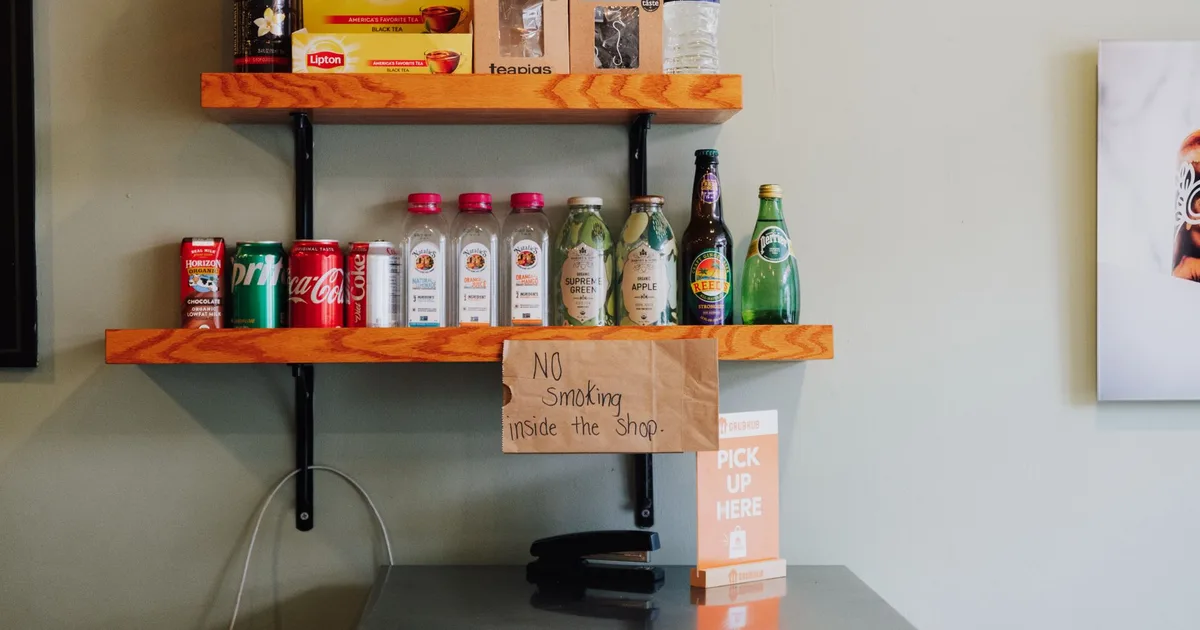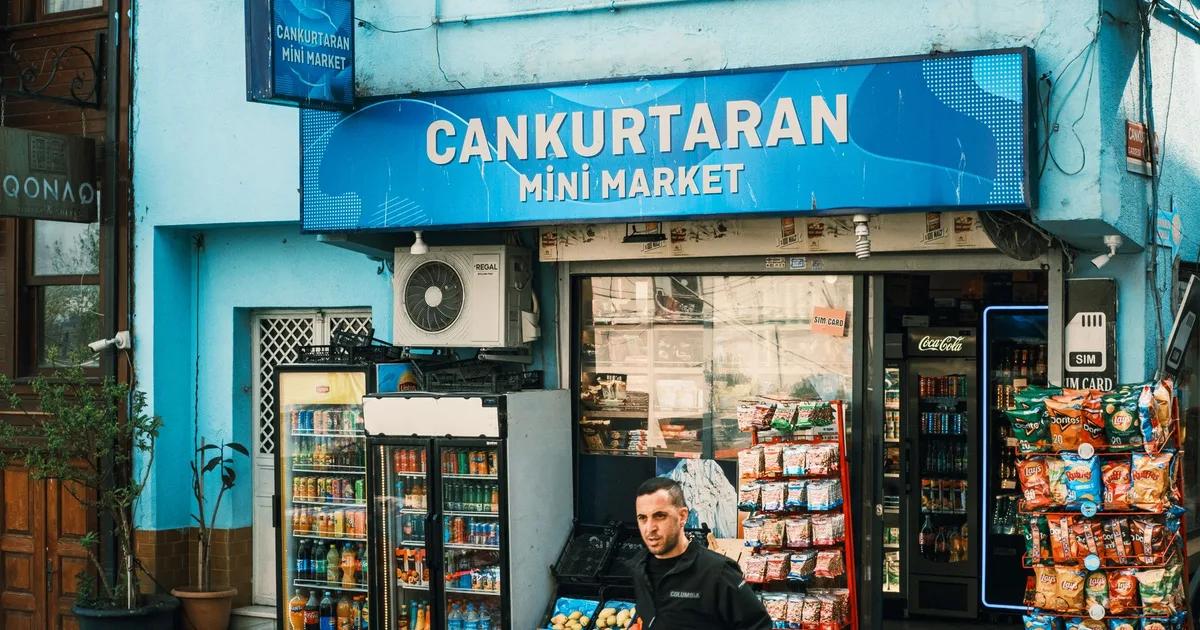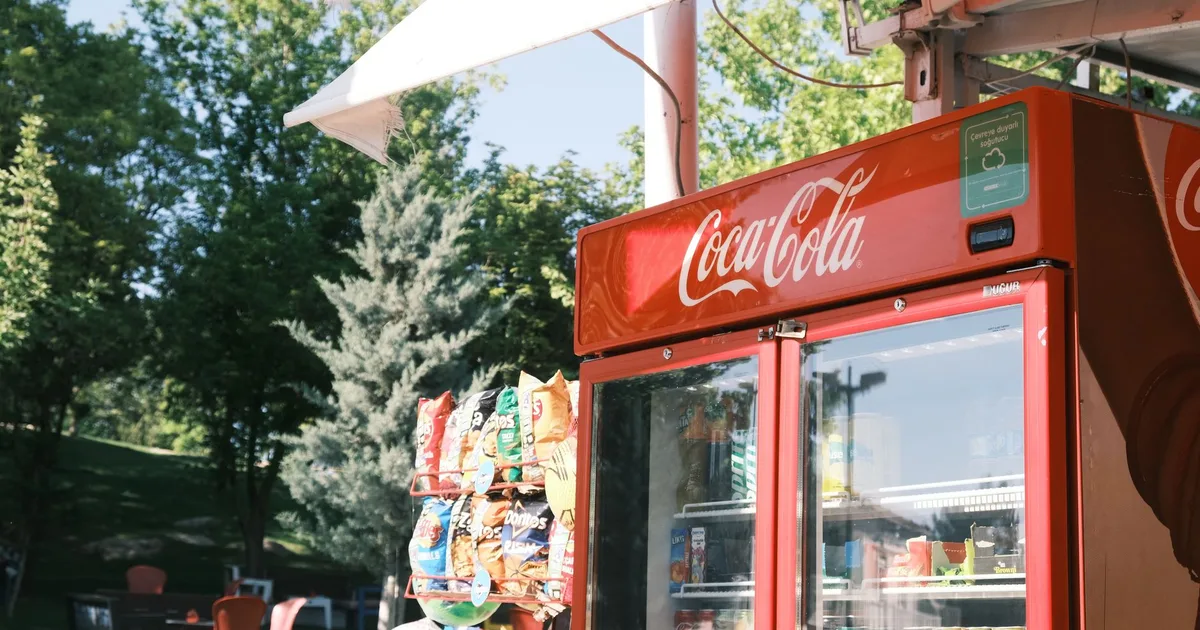
A beverage cooler planogram decides what goes behind each glass door and on each shelf. Group doors by drink type in the order shoppers walk past, put single-serve best sellers at eye level, keep heavy multipacks low, give space in line with sales, and load from the back so older stock sells first.
Cooler shoppers decide in seconds, often with the door already open. A clear layout helps them grab and go; a confused one sends them to the next store's fridge.
Give every door one job
Start with the whole cooler, not individual products. Assign each door to a segment, for example:
| Door | Segment |
|---|---|
| 1 | Water and sparkling water |
| 2–3 | Carbonated soft drinks, regular then zero sugar |
| 4 | Energy drinks |
| 5 | Juices, iced tea and coffee drinks |
Run segments in the direction most shoppers walk. If traffic flows left to right, the first door they reach should hold the highest-traffic segment. Keep alcohol, where sold, in its own clearly separated doors to keep age checks and local rules simple.
Inside each door, decide shelf by shelf
Within a door, shoppers scan the eye-level band first, roughly 120–160 cm (47–63 in) from the floor.
- Eye level: single-serve best sellers and the highest-margin lines.
- Top shelf: small packs and new or niche items, visible but less reached.
- Lower shelves: larger bottles.
- Bottom shelf: multipacks and heavy items, which are safer to lift from low down.
Within a segment, keep one consistent order, for example flavour then size, or brand then size, so shoppers learn where to look across every door.
Space by sales, with one slot kept for launches
Give each segment and product a share of cooler space close to its share of cooler sales, then adjust for margin and supplier agreements. Reserve a small flexible space, such as one shelf section, for launches and seasonal drinks; trade press guidance on getting the cold vault ready for spring makes the same point about keeping room for innovation.
Review the split each season. Water and sports drinks often need more room in summer, hot-weather flavours less in winter.
Fit the bottles to the shelves
Cooler shelves are shallow and narrow compared with gondolas, so small errors matter.
- Width: a 60 cm (23.6 in) shelf holds 9 facings of a 6.6 cm can but only 6 of a 9 cm bottle.
- Height: measure clearance to the shelf above, minus 2 cm for finger space. Tall 1.5 L bottles often need the bottom shelf or a shelf moved down one slot.
- Depth: a 45 cm deep shelf holds 6 cans or 5 bottles of 9 cm diameter behind each facing.
- Product data: use dimensions measured from the shopper-facing front, as defined by the GS1 measurement standard.
A 2-door beverage chiller template gives a starting layout with real door widths that you can adapt.
Keep air moving and stock rotating
Overfilled coolers stay warm. Do not block fan covers, return-air grilles or the gap at the back; check the manufacturer's loading line. Efficient glass door cooler models, such as those listed by ENERGY STAR, still depend on airflow around the product.
Use FIFO rotation: first in, first out. In a walk-in cold vault, load from the back so the oldest stock reaches the front first. In reach-in coolers, pull older units forward before adding new ones behind them.
Protect a branded beverage cooler planogram
Branded coolers placed by a beverage company usually come with an agreement on what may go inside. Competitor products creep in when the brand's own items run out or when the store needs more cold space. Prevent it by sizing capacity to sales, agreeing delivery frequency, and checking with dated photos on each visit. If the store genuinely needs cold space for other products, negotiate a defined share rather than letting the plan dissolve.
When the cooler looks wrong by Friday
- Fallen or twisted faces: fit dividers or gravity feed shelves that push bottles forward.
- Front empty, back full: staff are not pulling stock forward; pushers or glide shelves fix it mechanically.
- Same products always empty: capacity is below sales between deliveries. Add facings or depth, or deliver more often; see how to reduce out-of-stocks.
- Products in the wrong door: the door labels or shelf tags are missing. Add segment headers to each door.
Software built for chillers helps here: in ShelfPlot you choose the cooler, add products, and auto-layout fills each door by your rules while respecting real bottle sizes. See chiller planogram software for how it works.
Put grab-and-go singles at eye level
The best beverage cooler planogram follows the way people buy cold drinks: segment by door, best-selling singles at eye level, heavy packs low, space by sales, and stock rotated from the back. Get those right and the rest is maintenance.
FAQ
How should drinks be arranged in a cooler?
By segment first (water, soft drinks, energy, juice), then by a consistent order such as flavour and size, with single-serve best sellers at eye level and multipacks at the bottom.
What goes on the top shelf of a drinks fridge?
Smaller packs, new items and niche drinks. The top shelf is visible but reached less often than eye level.
How do you stop products falling over in a cooler?
Use shelf dividers or gravity-feed glide shelves, and do not overfill shelves beyond the planned units deep.
How often should a cooler planogram change?
Review it at least each season, and whenever large launches, delistings or delivery changes happen.