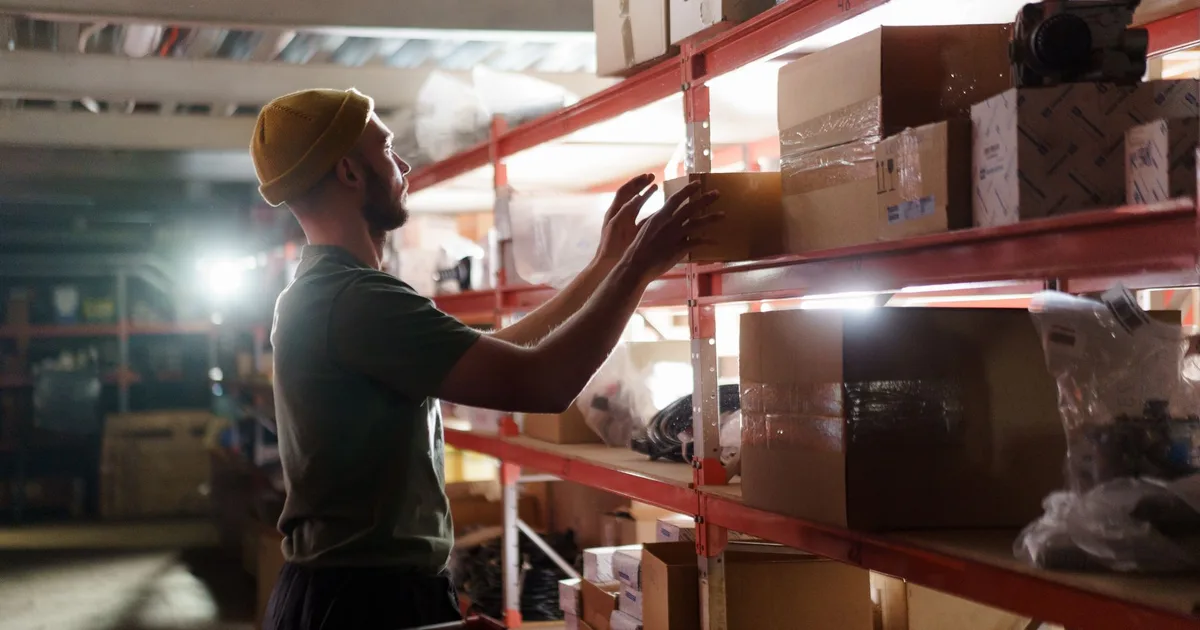
Seasonal and temporary staff tend to make the same category of planogram mistakes, over and over, across different stores and different chains — not because they're careless, but because they're executing unfamiliar work under exactly the conditions least forgiving of a learning curve: peak volume, compressed timelines, and minimal onboarding time.
Why peak season is the worst time to be learning
Seasonal hiring is concentrated precisely when stores need the most reset and restocking work done the fastest — which means the staff least familiar with how a specific store's planograms and conventions work are handling the highest volume of changes, under the most time pressure, with the least runway to absorb mistakes before they compound.
The mistakes that show up most often
Misreading facing counts under time pressure. A new hire unfamiliar with how the fixture maps to the plan is more likely to miscount or rush a facing, especially when a line of carts is waiting behind them.
Filling gaps with whatever's available, not what's specified. Without a strong sense of the category's logic, a temporary staff member is more likely to fix a visible gap with nearby stock rather than confirming it's the right item for that position.
Missing less obvious tasks like signage and shelf tags. New staff focused on getting product onto the shelf correctly often deprioritize the secondary tasks — the ones that matter but aren't as visually obvious as an empty facing.
Not knowing when to escalate a mismatch. A new hire without a clear sense of what to do when the real shelf doesn't match the plan is more likely to silently improvise than to flag it, simply because they don't yet know escalation is an option.
Reducing the error rate without slowing hiring down
- Build a short, focused orientation specifically for seasonal hires, distinct from full new-employee training — it doesn't need to cover everything, just the highest-frequency tasks they'll actually be doing.
- Pair new seasonal staff with experienced staff for their first shifts, even briefly, rather than putting them on an unsupervised reset immediately.
- Give seasonal staff the simplest, most repeatable tasks first, saving complex or judgment-heavy resets for staff with more context.
- Make the escalation path obvious and low-friction — if flagging a problem feels like extra hassle, temporary staff under time pressure will default to guessing instead.
This overlaps with training staff to read a planogram, which is worth checking if that's also part of your situation. A closely related question is clearance markdown execution, which tends to come up around the same time. This connects to seasonal signage left up — the two are usually worth planning together.
FAQ
Is it worth building dedicated training materials just for seasonal staff?
For any chain that hires seasonal staff repeatedly, yes — a reusable, short orientation pays for itself across multiple seasons, rather than rebuilding informal training from scratch every peak period.
Should seasonal staff be trusted with high-visibility categories?
It depends on experience level, but starting new seasonal hires on lower-risk categories and building up to higher-visibility ones as they gain familiarity reduces the cost of early mistakes.
How much does inadequate seasonal training actually cost in compliance terms?
This varies by store and category, but compliance scores commonly dip during peak hiring periods in stores without a deliberate seasonal training process — tracking compliance specifically through peak season is a reasonable way to measure the real impact.


