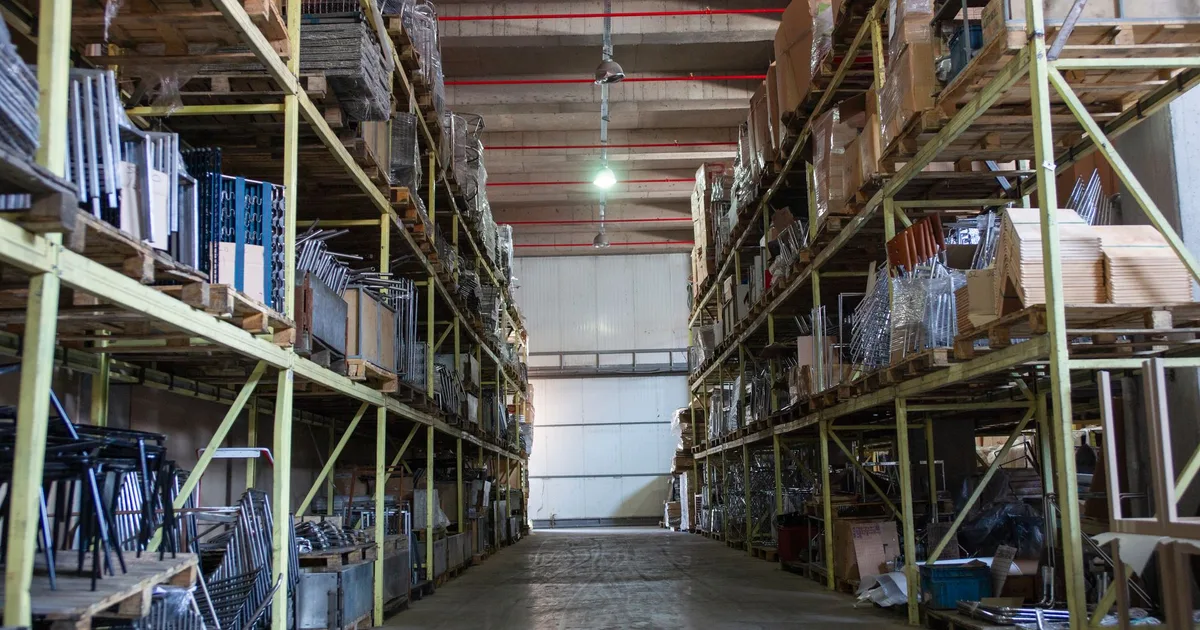
A shelf blocked by stock carts and pallets loses sales quietly: shoppers can't reach products, avoid the aisle or assume items are unavailable. It happens when replenishment runs during busy hours, cages are left in aisles between tasks, and shelves are too small so they need refilling several times a day. Fix it with replenishment schedules, aisle rules and shelf capacity that reduces trips.
Why carts and pallets end up in the way
- Deliveries arrive during trading hours and are worked immediately.
- Staff leave cages while they fetch more stock or help customers.
- Small shelf capacity means frequent refills of the same items.
- No backroom space, so stock waits in the aisle.
Keeping a shelf blocked by stock carts and pallets clear
1. Schedule replenishment around peaks
Refill busy aisles before opening or in quieter hours. Keep daytime work to quick top-ups.
2. Set aisle rules
Cages against one side only, never blocking a whole bay, never left unattended for long, and removed during peak periods.
3. Increase capacity where refills are frequent
Products refilled several times a day need more facings or depth so one refill lasts. Check with the shelf capacity calculator and our product facings guide.
4. Use smaller roll cages
Smaller trolleys block less and are easier to move.
5. Organise the backroom by aisle
Stock sorted in planogram order goes out faster and spends less time in the aisle.
Safety matters too
Pallets and cages in aisles are a trip and collision risk. Stock stored temporarily must still be stable, a principle in OSHA's rule on material storage.
Clear aisles sell more
A shelf blocked by stock carts and pallets is an operations problem that shows up as weak sales. Schedule replenishment for quiet hours, keep aisle rules simple, and give fast sellers enough capacity to cut daytime refills. Research summarised in Wikipedia's stockout article shows how many availability problems start with in-store processes.
FAQ
When should stores restock shelves?
Ideally before opening or during quiet hours, with only quick top-ups during peak trading.
Do stock carts in aisles affect sales?
Yes. Shoppers avoid blocked aisles and may assume products are unavailable.
How can stores reduce daytime replenishment?
By increasing capacity for fast sellers so one refill lasts longer, and organising backroom stock by aisle.
Are pallets in shopping aisles a safety risk?
Yes. They create trip and collision hazards and must be stable and attended.


