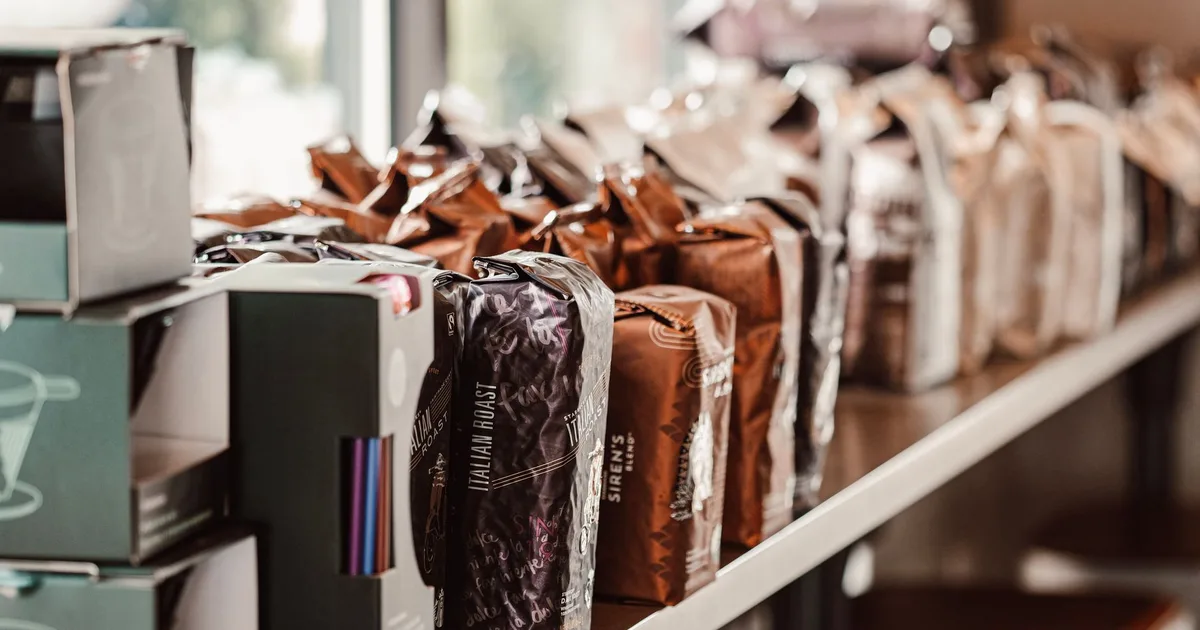
Few categories pack as many genuinely different product formats under one name as coffee and tea. Whole bean, ground, instant, single-serve pods, loose leaf and tea bags are all technically the same two commodities, but they're shopped completely differently, by shoppers with different equipment at home and different habits. A coffee and tea aisle planogram that treats all of this as one undifferentiated block makes every single format harder to find.
Splitting by format before splitting by brand
The format split — ground versus whole bean versus pods versus instant on the coffee side, bagged versus loose leaf on the tea side — needs to come before brand blocking, not after. A shopper who only owns a pod machine has no use for the whole-bean block and shouldn't have to scan past it to find their format; organizing by format first means each shopper's relevant section is clearly bounded and brand blocking only has to work within that smaller, already-relevant space.
Pods are their own planning problem
Single-serve coffee pods have exploded in SKU count and often now rival or exceed traditional ground coffee in facing count, but they also carry brand and machine-compatibility constraints that don't apply to the rest of the category — a shopper needs pods that fit their specific machine, which narrows their actual options more than it looks like from the shelf. Clear compatibility signage on the pod section does real work here that it doesn't need to do elsewhere in the aisle.
What else shapes this category's layout
- Decaf needs a consistently signed position across every format, not just within ground coffee — a shopper looking for decaf pods or decaf loose tea shouldn't have to hunt separately in each format block for the same dietary need.
- Specialty and single-origin coffee commands a price premium that justifies its own clearly bounded section, rather than being scattered through the mainstream ground and whole bean blocks where it can get lost.
- Herbal and caffeine-free tea is a meaningfully different purchase occasion than black or green tea, and benefits from its own labeled sub-block rather than being blended into the general tea range by brand alone.
- Bulk and value-size coffee needs lower-shelf placement for both weight and because that shopper is typically price-comparing, similar to the logic that applies in other bulk-format categories.
This overlaps with vitamins and supplements aisle planogram, which is worth checking if that's also part of your situation. A closely related question is candy aisle planogram, which tends to come up around the same time. This connects to baking aisle planogram — the two are usually worth planning together.
FAQ
Should coffee and tea always share one aisle?
In most general grocery stores, yes, since the combined category often doesn't need a full aisle on its own — but the internal structure should still treat them as genuinely separate sub-categories rather than blending them.
How much space should coffee pods get relative to traditional ground coffee?
That depends entirely on your own sales data and local shopper habits — pod penetration varies a lot by market, and defaulting to a national average instead of checking your own numbers risks over- or under-facing a format shoppers may or may not have adopted locally.
Does specialty coffee need better lighting or presentation than mainstream coffee?
It often benefits from slightly more premium shelf treatment — cleaner facing, less crowding — since the purchase decision for specialty and single-origin coffee tends to be more considered and quality-focused than a routine restock of a familiar everyday brand.


