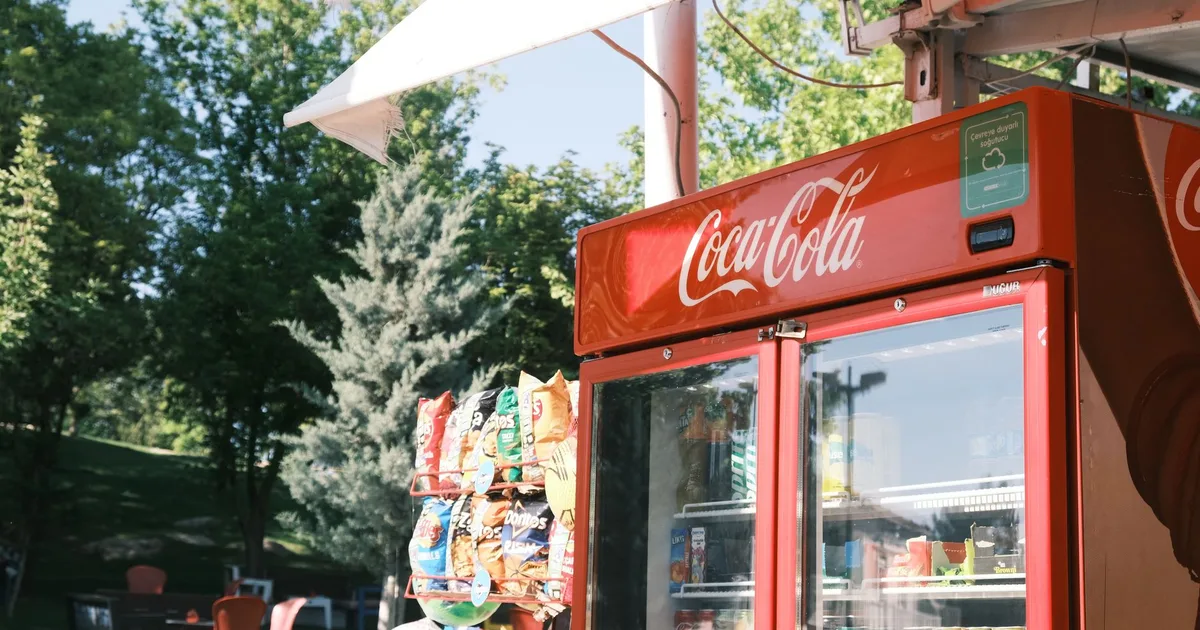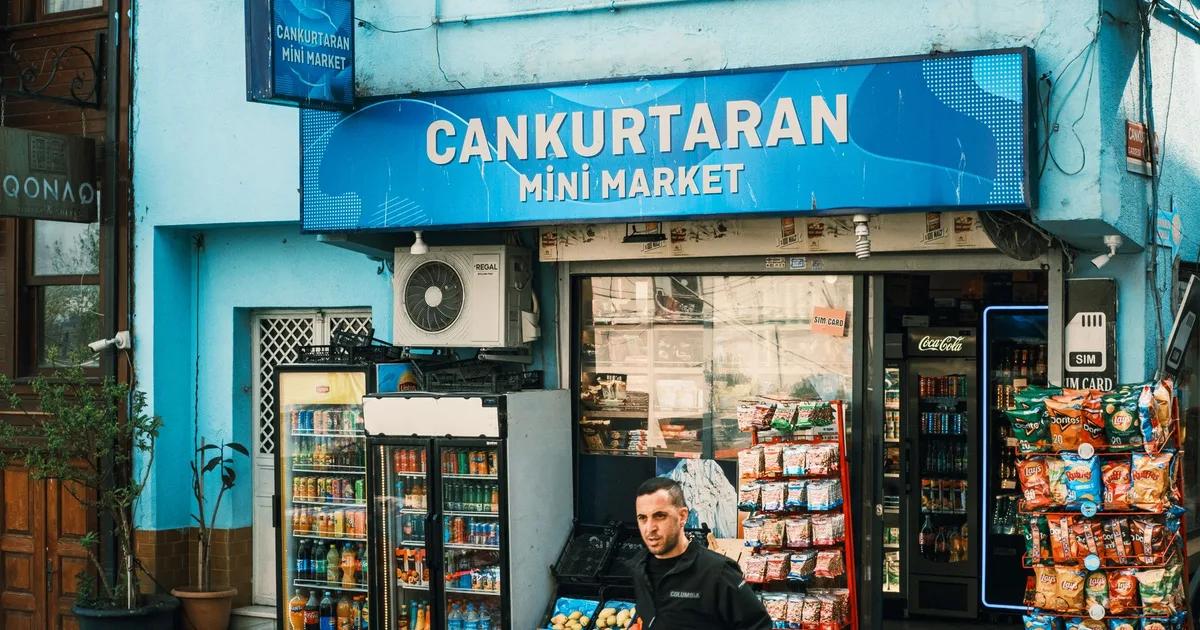
A cooler planogram not followed usually means the doors drifted for practical reasons: the supplier's products ran out between deliveries, the store needed cold space for other items, the plan didn't fit the bottles that actually arrived, nobody in store could see what the plan was, or no one checked. Coolers drift faster than shelves because cold space is scarce and every gap gets filled.
Why cooler doors drift
- Empty facings. The store fills gaps with whatever needs chilling.
- Store's own needs. Other drinks or foods need cold space the store doesn't have.
- Wrong fit. Plan built for cans; bottles arrived.
- Invisible plan. Store staff never received or kept the planogram.
- No follow-up. Months between merchandiser visits.
Getting a cooler planogram not followed back on track
1. Size capacity to sales between deliveries
If doors empty on day four of a weekly delivery, raise capacity or deliver twice a week. Our guide to how many drinks fit in a cooler door helps size it.
2. Put the plan on the door
A small planogram or shelf strips inside each door show staff what goes where. See chiller door decals and shelf strips.
3. Agree a defined share for store products
If the store needs cold space, agreeing a shelf for other products beats losing the whole cooler.
4. Build plans from real pack sizes
Use actual bottle and can dimensions so the plan fits what arrives.
5. Visit and photograph
Regular visits with dated photos keep doors honest and show patterns.
6. Reset quickly when it drifts
A ten-minute correction on each visit beats a full reset every quarter.
Fill the gap before someone else does
A cooler planogram not followed is usually a capacity, supply or communication problem. Keep doors full, make the plan visible, give the store a fair share if needed and check often. Wikipedia's mystery shopping article describes one way independent checks are run, and Wikipedia's slotting fee entry covers related supplier–retailer terms.
FAQ
Why do stores change cooler planograms?
Usually to fill empty facings or because they need cold space for other products.
How can suppliers keep coolers on plan?
Match capacity to sales between deliveries, make the plan visible on each door and visit regularly.
Should stores be allowed some space in a branded cooler?
Agreeing a defined share is often better than having the whole cooler drift.
How often should coolers be checked?
On every merchandiser visit, with dated photos for comparison.