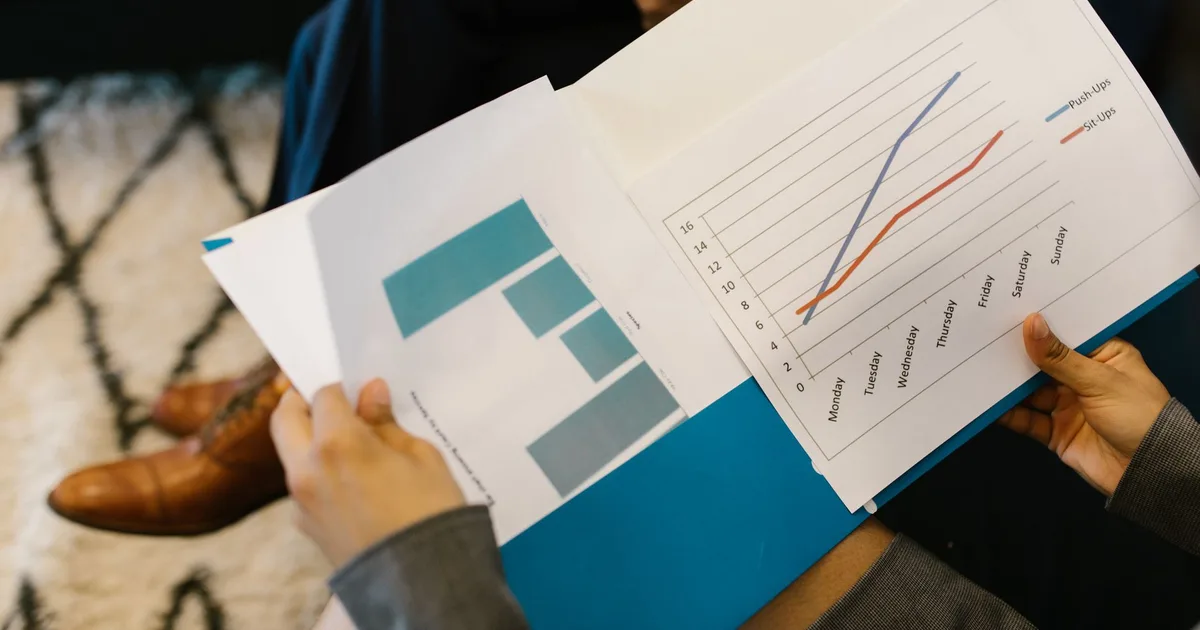
An annual category review is the point where a retailer formally re-evaluates a whole category's performance, assortment, and space allocation — and it's usually where the biggest planogram changes of the year actually get decided, rather than through the smaller, incremental adjustments that happen between reviews.
What actually happens in a category review
Performance gets assessed brand by brand and SKU by SKU, against sales, margin, and space-to-sales benchmarks — this is where underperforming items are most likely to be identified for removal, and where strong performers make their case for more space.
The whole category's total space allocation gets revisited, not just individual brands within a fixed footprint — a review can result in a category gaining or losing total shelf space relative to its neighbors, not just redistributing what it already had.
New items and discontinued items both get decided here, in batch, rather than one at a time through the year — most retailers prefer to concentrate assortment changes at a review point rather than make piecemeal changes to a live planogram throughout the year.
The resulting planogram becomes the baseline for the next cycle — everything that happens between reviews (resets, minor tweaks, promotional changes) builds on top of whatever was decided at the review, until the next one resets the baseline again.
Why review timing matters for suppliers
Missing the window for a category review often means waiting a full cycle — six months to a year, depending on the retailer and category — for the next opportunity to make a significant case for space or assortment changes. Performance data and proposals need to be ready before the review, not assembled after it's already underway.
Preparing for a category review
- Bring space-to-sales and performance data specific to that retailer, not just general market share — a review is about that category in that chain, and generic national data carries less weight than retailer-specific evidence.
- Have a clear position on what you're asking for, whether that's more space, a new item's inclusion, or simply holding current position — going in without a specific ask leaves the outcome entirely in the retailer's hands.
- Understand what else is likely to be reviewed in the same cycle, since space gained by one brand usually comes from another in the same category — anticipating where the trade-offs will land helps frame a more realistic request.
- Follow up on what was actually decided, not just what was proposed — the final planogram coming out of a review can differ from any single supplier's recommendation once every input has been weighed.
This is closely tied to negotiating shelf space, and the two often need to be solved at the same time. If this is a recurring issue in your stores, reset order covers a closely related angle worth checking. See losing shelf space to private label for a related breakdown that often comes up alongside this.
FAQ
How often do most retailers run a full category review?
This varies by retailer and category, but annual or semi-annual cycles are common — faster-moving or more competitive categories sometimes get reviewed more frequently.
Can a planogram change outside the scheduled review cycle?
Yes, for smaller adjustments — a facings tweak, a new item slotted into existing space — but major assortment or total space changes are more typically reserved for the scheduled review.
What happens to items that lose space or get delisted at a review?
This depends on the retailer's own transition process, but it typically includes a defined sell-down or exit period rather than an immediate removal, to avoid leaving a gap on the shelf before the new plan takes effect.


