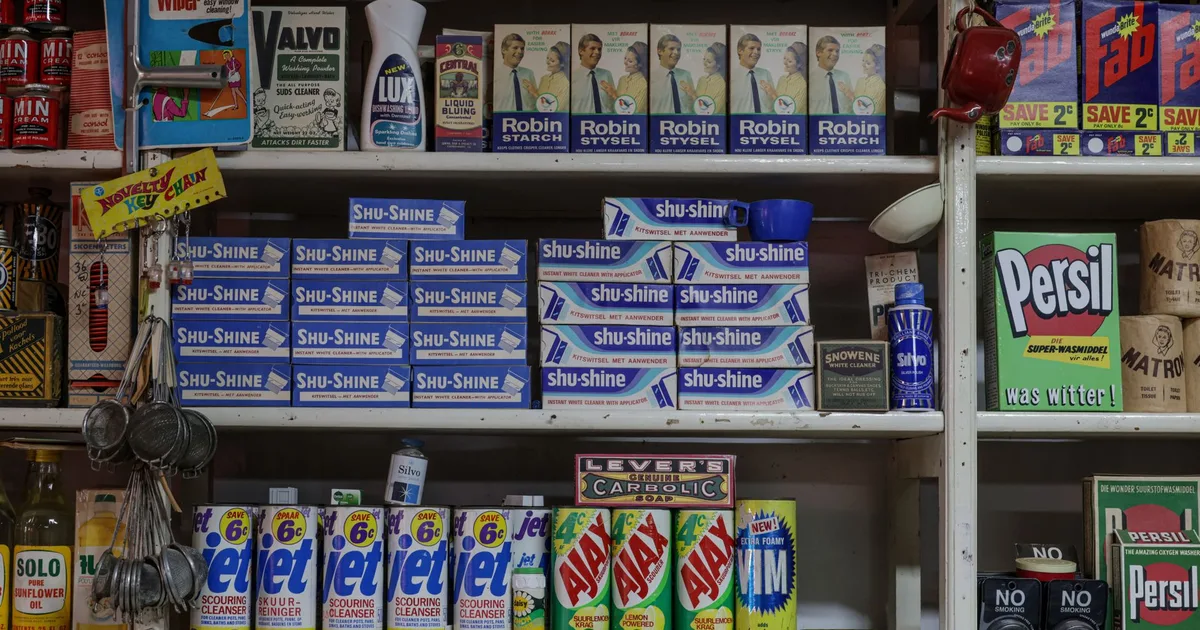
Losing shelf space to private label is a growing pressure for brands, because retailers earn better margins on their own products and use them to compete on price. A brand cannot stop the strategy, but it can respond: understand what the retailer wants from private label, cut its own weak SKUs, defend capacity for hero products, accept smart adjacency, and bring value the retailer's own brand cannot, such as innovation and category growth.
Private label (or store brand) products are owned by the retailer and made by a separate firm.
Why retailers give private label more space
- Higher margin per unit than many brands.
- Price positioning against competitors.
- Differentiation: products shoppers can only buy there.
- Negotiating leverage with brand suppliers.
Responding to losing shelf space to private label
1. Ask what the retailer is trying to achieve
Margin, price image or range simplification lead to different solutions. A brand that helps the retailer's goal is harder to cut.
2. Cut your own tail first
Remove SKUs that duplicate others or sell slowly before the retailer does it for you. Fewer items with more facings each perform better; see shelf space cut at line review.
3. Defend hero capacity
Make sure your best sellers keep enough facings to hold a case pack plus sales between refills. Out-of-stocks on hero items hand sales to the store brand.
4. Accept adjacency, use it
Private label is often placed next to the leading brand so shoppers compare. A leading brand positioned at eye level with clear benefits can win that comparison. Our brand blocking planogram guide covers placement.
5. Bring what private label can't
Innovation, marketing support, shopper insight and category growth proposals. The retailer values partners who grow the whole category.
6. Execute perfectly in the space you keep
High availability and compliance make your space productive, which is the best argument at the next review. Gaps also invite other products in; see competitor products in my space.
Smaller space, stronger case
Losing shelf space to private label is often part of a retailer's strategy rather than a judgement on your brand. Respond with a focused range, protected hero capacity and category value, and the space you keep will work harder. Wikipedia's category management article explains how retailers balance brands and their own labels.
FAQ
Why do retailers give more space to private label?
Higher margins, price positioning, differentiation and leverage in negotiations with brands.
Can brands compete with private label on the shelf?
Yes, through strong hero products, clear benefits, good placement, innovation and excellent availability.
Where is private label placed on a planogram?
Often next to the leading brand for comparison, or on lower shelves in price-tiered layouts.
Should brands reduce SKUs when losing space?
Often yes; fewer SKUs with more facings each usually sell better and stay in stock.


