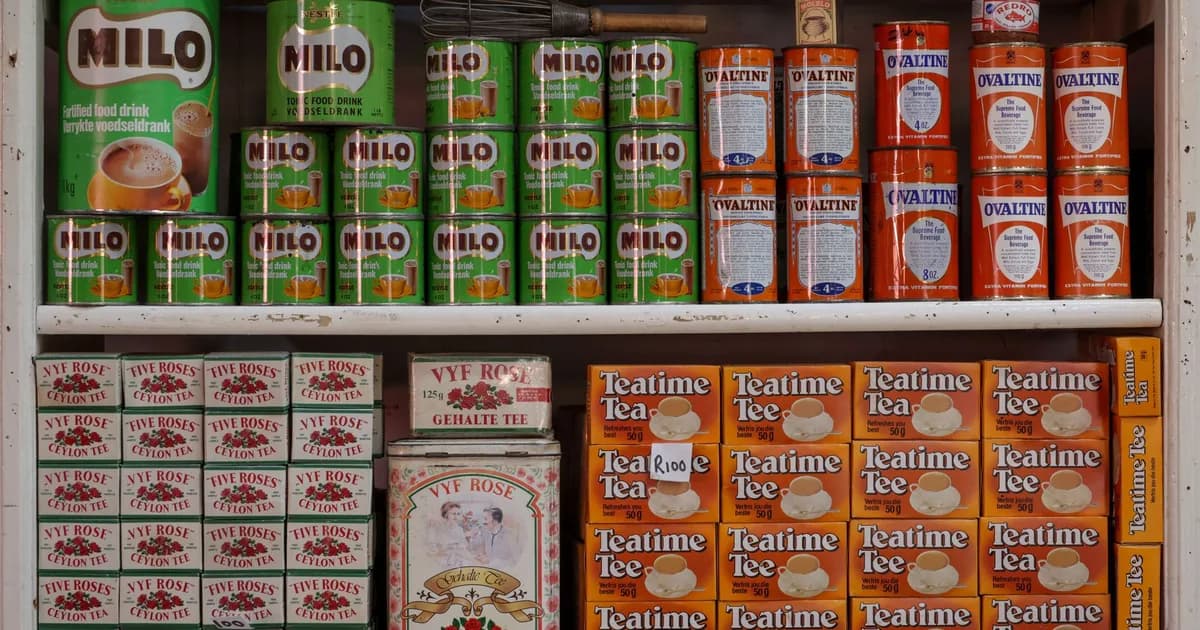
Private label products are placed on a planogram through broadly the same category-management process as any branded item — evaluated on sales, margin, and category role — but the retailer sits on both sides of that evaluation for their own brand, which gives private label a few structural advantages branded suppliers don't have.
What makes private label's position different
The retailer controls the data and the final decision for both the category and its own product. A national brand has to make its case to a buyer; private label's "supplier" is the retailer itself, which removes a layer of negotiation that branded items go through.
Margin, not just sales velocity, weighs heavily in its favor. Private label typically carries a higher margin for the retailer than comparable branded items, which gives it a performance case that doesn't rely purely on matching a leading brand's sales volume.
Placement is often deliberately positioned near the category leader. A common category-management tactic is placing a private label option directly adjacent to the best-selling branded item, making the price comparison as easy as possible for a shopper standing at that exact spot.
It's rarely at risk of delisting the way a weak branded item is. Because the retailer controls both the product and the shelf, private label is less likely to be removed from a category for underperformance in the same way a branded SKU would be — it's more likely to be reformulated, repositioned, or re-priced instead.
Where this creates tension with branded suppliers
A branded supplier's shelf-space case — more facings for stronger velocity — runs into direct competition with a retailer that also benefits from giving its own brand more space, at better margin, in the same category. This is part of why "losing shelf space to private label" is a persistent concern for branded suppliers: the retailer isn't a neutral referee in that specific trade-off.
What branded suppliers can realistically do about it
- Compete on incrementality, not just share. A case that a branded item grows the category's total sales — not just takes share from private label — is a stronger argument than a straightforward velocity comparison.
- Differentiate where private label structurally can't compete — product attributes, brand loyalty, or innovation that a store brand typically doesn't replicate quickly.
- Expect private label to hold a baseline position in most categories, and plan space requests around the branded portion of the category rather than treating private label's presence as something likely to be removed.
This pairs naturally with private label launch shelf space, which tackles a closely related piece of the same problem. This overlaps with losing shelf space to private label, which is worth checking if that's also part of your situation. A closely related question is signage conflicts with shelf, which tends to come up around the same time.
FAQ
Does private label always get placed next to the category leader?
It's a common practice, but not universal — placement varies by retailer strategy and by how the category is sequenced overall.
Why does private label rarely get delisted the way weak branded items do?
Because the retailer controls the product directly, underperformance is more often addressed through reformulation, repricing, or repositioning rather than removal — the retailer has more direct levers to fix it than simply delisting its own brand.
Can a branded item ever outcompete private label for shelf space?
Yes — strong, verifiable sales performance and category growth arguments can and do win space even against private label's margin advantage, since the retailer still ultimately wants the category as a whole to perform well.


