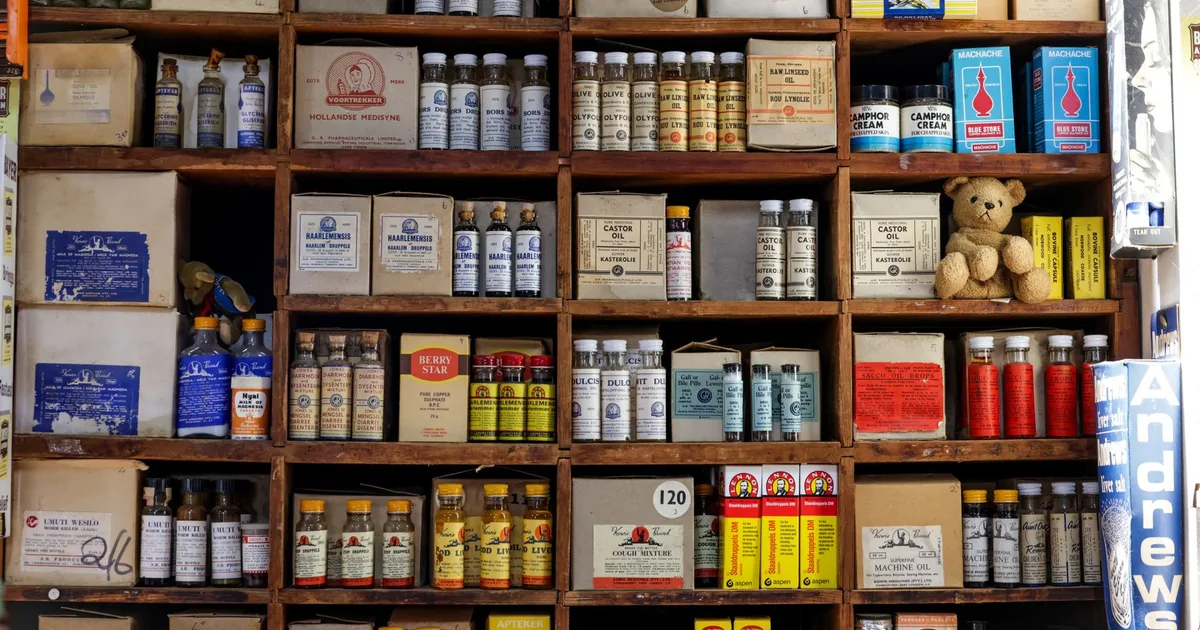
Long tail products shelf space is the question of how much room to give the many SKUs that each sell little but together make up a modest share of sales. On a crowded shelf, the tail often takes far more space than its sales justify, because every item needs at least one facing. The aim is not to remove the tail but to size it: keep tail items that serve unique needs, give each the minimum practical space, and cut duplicates.
What the tail looks like
An ABC analysis usually shows a small group of SKUs producing most sales and a long tail producing the rest. If the tail holds, say, half the facings but a much smaller share of sales, it is costing the best sellers their capacity.
Why the tail still matters
- Choice: shoppers like seeing options, even if they buy the core item.
- Unique needs: dietary, regional, size or occasion-specific products.
- Destination role: some tail items bring specific shoppers into the store.
- Basket value: tail items are often added to baskets that contain core items.
Four rules for long tail products shelf space
- One facing is the norm for true tail items, with enough depth to last between refills.
- Keep tail items inside their blocks so they don't fragment the shelf.
- Cut duplicates first: tail items with a close substitute in the range.
- Protect unique items deliberately and note why on the plan.
Check the trade-off
For every facing given to the tail, ask whether a best seller is running out. If it is, the facing is better spent on the best seller. See shelf space allocation methods for balancing approaches, and SKU rationalization for the removal process.
Small space, clear purpose
Long tail products shelf space should be small and deliberate: minimum facings, unique items protected, duplicates cut, and best sellers never starved to keep the tail. Wikipedia's ABC analysis article explains the ranking behind the tail, and its category management article the range decisions it feeds.
FAQ
What are long tail products in retail?
The many SKUs in a category that each sell relatively little but together make up part of total sales.
Should retailers remove long tail products?
Not all. Remove duplicates, keep items that meet unique needs and give each tail item minimal space.
How much shelf space should tail items get?
Usually one facing, with enough depth to last between refills.
Do long tail products affect best sellers?
Yes, if they take space that best sellers need to stay in stock.


