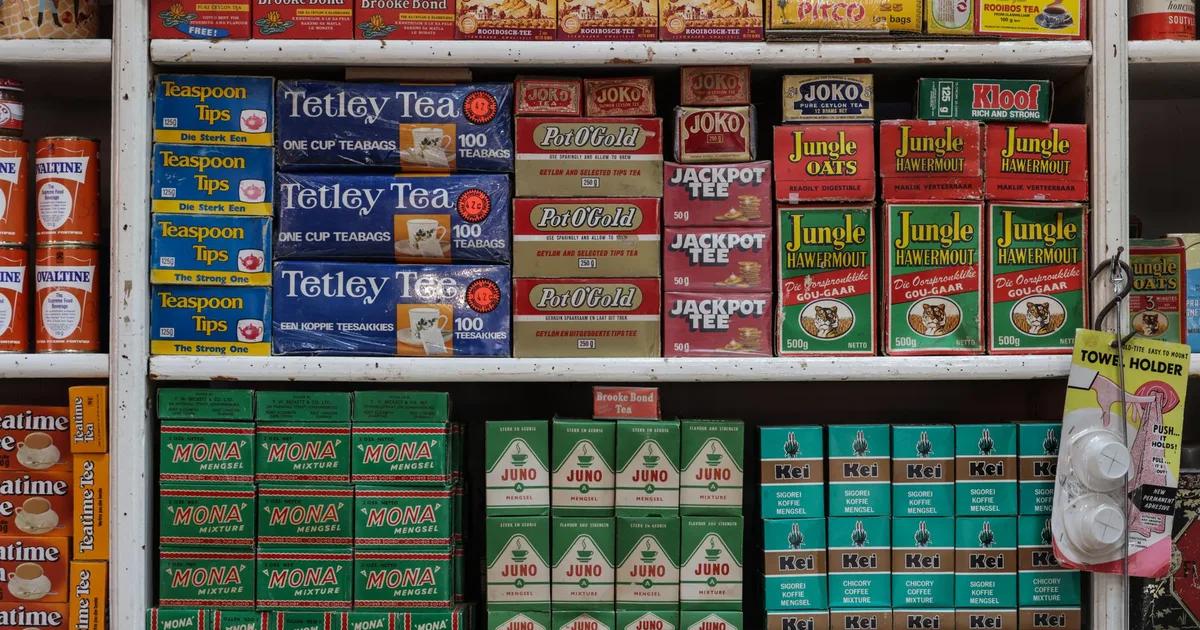
Overstocked shelves hold far more of a product than it sells between refills. The signs: weeks of days of supply on slow items, products crammed deep or stacked, older stock stuck at the back, dusty packs and fast sellers squeezed beside them. The fix is to cut units deep and facings on slow movers, adjust orders, and give the space to products that run out.
Overstock is quieter than an out-of-stock, but it costs money every day.
Five signs of overstocked shelves
- Very high days of supply on the shelf alone; see how to calculate days of supply.
- Products packed tight with no room to pull forward, or overhanging the edge.
- Old dates at the back of rows.
- Dust on packs, a sign nothing moved for weeks.
- Best sellers short of space while slow items spread.
How shelves end up overstocked
- Planogram gave a slow item too many facings or too much depth.
- Orders based on old forecasts or minimum order quantities.
- Promotional leftovers returned to the home shelf.
- Staff filling every gap with whatever is available.
How to fix overstocked shelves
- Cut depth first on slow movers: fewer units behind each facing.
- Then cut facings, keeping enough to hold a case pack where possible.
- Adjust orders and minimums with the replenishment team or supplier.
- Move promotional leftovers to a clearance area, not the home shelf.
- Reuse the space for items that keep running out.
The cost of overstock
Excess stock lowers GMROI, increases damage and expiry, and slows restocking because shelves are harder to work. For dated categories, check Wikipedia's shelf life article for why rotation gets harder as depth grows.
Hold what sells, not what fits
Overstocked shelves happen when capacity follows space instead of sales. Size each position to its sales between refills, cut depth and facings on slow items, fix orders and give the space to products that need it. Wikipedia's inventory turnover article covers the measure that shows the problem.
FAQ
What causes overstocked shelves?
Too much space or depth for slow sellers, orders above demand and promotional leftovers.
How do you know if a shelf is overstocked?
Days of supply far above the refill cycle, products crammed in, old dates and dust are typical signs.
Is overstock worse than out-of-stock?
Out-of-stocks lose sales immediately; overstock costs money, space and waste over time. Both need fixing.
How do you reduce shelf overstock?
Reduce depth and facings for slow movers, adjust orders and reuse the space for fast sellers.


