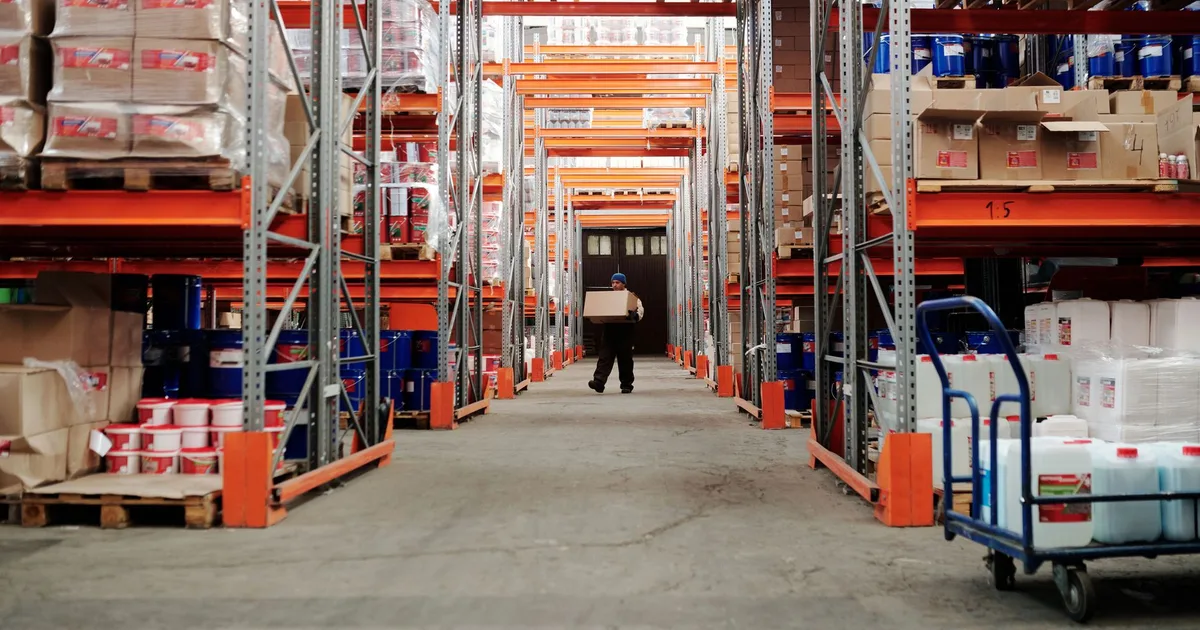
A pallet display planogram plans product sold straight from a pallet on the shop floor: full, half or quarter pallets, usually for high-volume promotions such as water, soft drink multipacks, rice or detergent. It sets which SKUs make up the pallet and in which layers, how high it can go for safe reach, which faces are opened to shoppers, where it stands and when it is replaced.
Full, half and quarter pallets
| Size | Typical use |
|---|---|
| Full pallet | Big-box and supermarket bulk promotions |
| Half pallet | Mid-size stores, aisle ends |
| Quarter pallet | Small stores, mixed promotions |
Smaller pallets fit more stores and can sit closer to the related aisle.
Six mistakes that make pallets unsafe or unsold
- Too high. Shoppers can't reach the top and may pull layers down.
- Wrapped faces. Stretch wrap left on hides products.
- Mixed SKUs randomly. Plan columns or layers by SKU so shoppers see the choice.
- Blocking aisles or exits.
- No price sign.
- Left half-empty. A broken pallet looks like back-stock; consolidate or replace.
Writing the pallet display planogram down
Record pallet size, SKU per column or layer, units per SKU and stack height. Expected promo sales tell you whether one pallet lasts the period or needs replacing. For safe stacking, follow OSHA's materials storage rules or your local equivalent.
Bulk that shoppers can reach
A pallet display planogram turns a delivery unit into a selling unit: open faces, reachable heights, clear columns by SKU and a safe spot on the floor. For smaller floor units, see floor stand display planogram, and for overall promo placement, secondary display placement.
FAQ
What is a pallet display?
Product sold directly from a pallet on the shop floor, usually as a bulk promotion.
How high should a pallet display be?
Low enough for shoppers to reach the top layer safely; many stores use half or quarter pallets.
Should stretch wrap be removed from a pallet display?
Yes from shopper-facing sides, once the pallet is in position and stable.
What products suit pallet displays?
High-volume, sturdy packs such as water, drink multipacks, rice, flour or detergent.