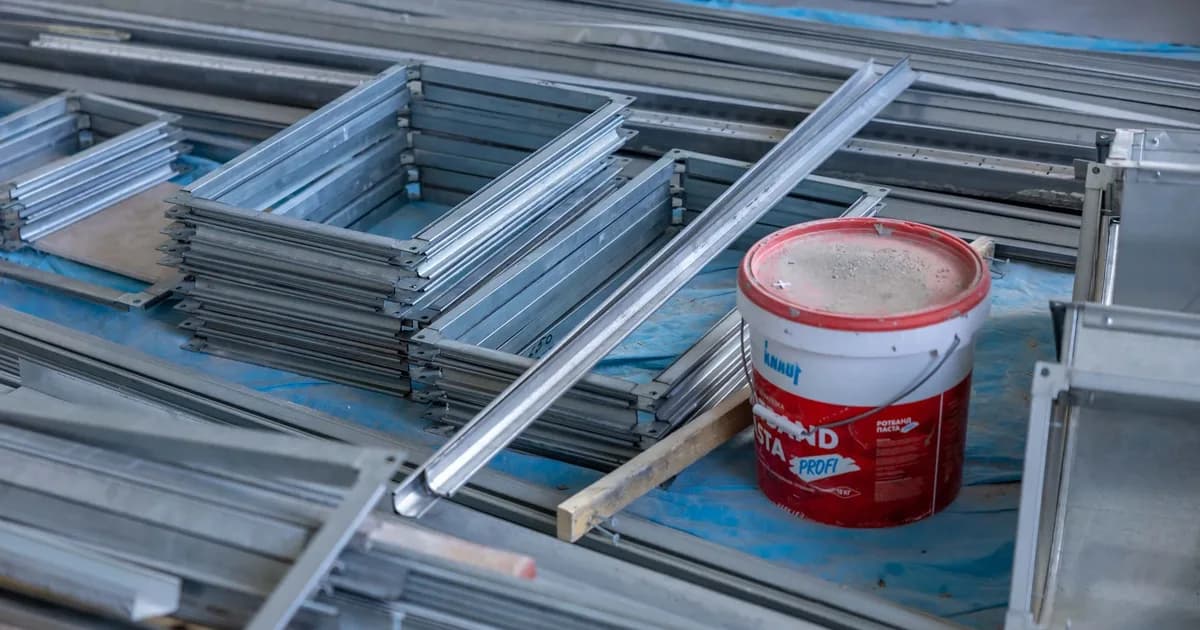
A remodel reset is a full strip-out: every fixture in the store (or a whole section of it) comes down and goes back up at once, rather than one category changing over at a time. That scale is exactly what makes it harder to get right than a routine category reset — there's no existing shelf to compare against while you work, and dozens of planograms have to land correctly on the same day.
Why remodels lose more compliance than routine resets
In a routine reset, one category changes while everything around it stays put — there's a visual reference for where things belong, and a mistake in one category doesn't cascade. In a remodel, the whole floor is blank at once. A sequencing mistake in one section can throw off where the next section's fixtures even get installed, and there's no "normal" shelf nearby to sanity-check against.
Remodels also tend to run on a hard calendar deadline — the store has to reopen on a set date — which puts the same time pressure on every category simultaneously, instead of spreading it across a year of individual resets.
The sequence that actually works
1. Confirm the physical build before planning the stock. Fixtures installed during a remodel can differ from the architectural spec by small but meaningful amounts — a shelf run a few inches short, an end cap in a different spot than planned. Walk and measure the actual installed fixtures before finalizing facings, not after.
2. Reset in a fixed order, not all categories in parallel. Pick an order — often by traffic pattern, starting from the entrance — and complete each section's planogram fully before moving to the next, rather than having every crew working on a different half-finished category at once. A fully wrong section is easier to find and fix than twenty half-right ones.
3. Build-to-plan before final price and signage. Get products into their correct positions first, then apply shelf tags, signage, and POS material — doing it in the other order means re-handling every label when a position shifts.
4. Walk the whole floor before reopening, against the plan, not against "does it look full." A shelf that looks complete can still be sequenced wrong, brand-blocked wrong, or missing the adjacency the category plan intended. A full compliance walk catches this; a visual "looks done" check doesn't.
5. Schedule a follow-up check at 2–4 weeks. The opening-day state of a remodel is rarely the final state — expect drift as staff settle in and the first restocking cycles happen. A planned follow-up catches it before it becomes the new normal.
A closely related question is measurement error rollout, which tends to come up around the same time. This connects to reset order — the two are usually worth planning together. Worth checking next: reset crew missing tools, which covers a closely related part of the same decision.
FAQ
How long should a remodel reset take for a mid-sized store?
This varies widely by store size and crew size, but most chains plan remodel resets in days, not hours — rushing a full strip-out to fit a single overnight window is one of the most common causes of post-remodel compliance problems.
Should the remodel planogram be identical to the pre-remodel one?
Only if the fixtures and footprint are unchanged, which is rare in a remodel. Treat a remodel as an opportunity to re-validate the category logic against the new fixture sizes, not just reinstall the old plan on new shelves.
What's the biggest single cause of post-remodel compliance failure?
Sequencing one section incorrectly early in the reset, which then forces downstream sections to compensate with space or placement that wasn't in the original plan.


