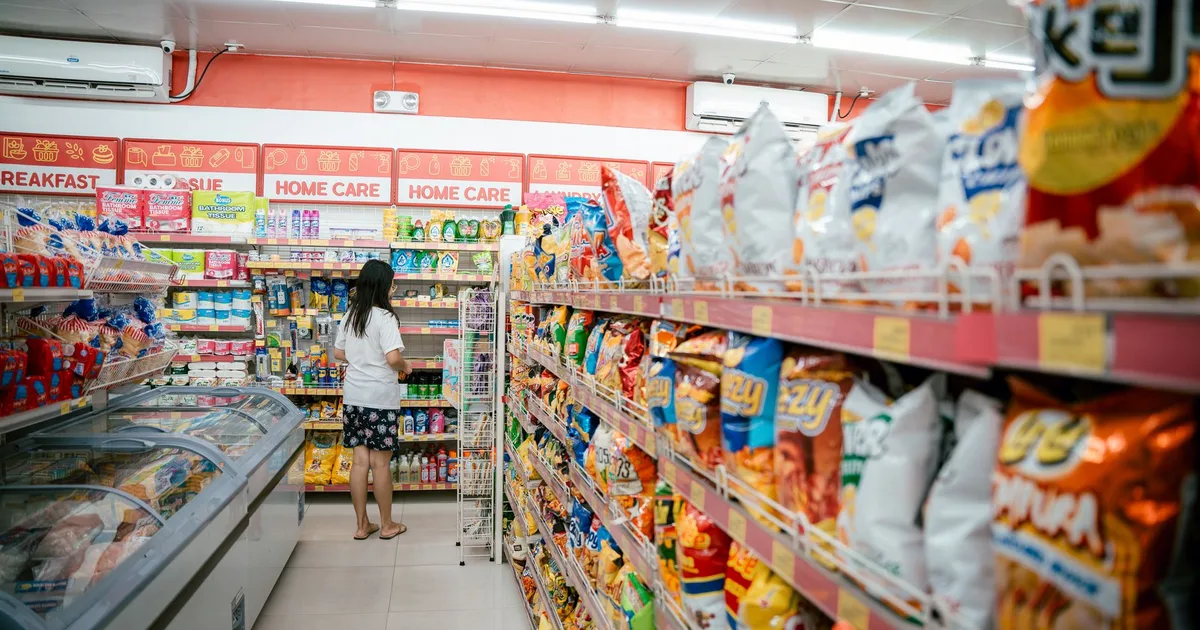
The same product in two shelf locations can be a deliberate secondary placement that lifts sales, or an accident that hides stock, confuses replenishment and leaves old units to expire. The difference is whether the second location is planned, dated and recorded. A good rule: every product has one home location on its planogram; any second location is a named display with an owner and an end date.
When two locations help
- Cross-merchandising: dips by crisps, batteries by toys.
- Promotions: extra volume on an end cap while the home shelf stays stocked.
- Seasonal: sun care in the seasonal aisle as well as personal care.
- Checkout: small impulse items at the till and in the aisle.
When it hurts
- Accidental overflow: extra stock parked on another fixture.
- Forgotten displays: promotions that never ended.
- Stock confusion: counts miss one location, so systems think stock is lower or higher than reality.
- Expiry: units in the forgotten location go out of date; see expired products on shelf.
Rules for the same product in two shelf locations
- One home location on the planogram for every product.
- Second locations are planned displays with a start and end date.
- Record both locations in the store system or task list, so counts and refills include both.
- Refill the home location first, so shoppers who look there find it.
- Remove second locations on time, returning stock to the home shelf or backroom.
Check for unplanned duplicates
During audits, note any product found off its home fixture. Repeated cases show where overflow is coming from, often capacity too small at home. See product placed next to the wrong category for related placement issues.
Two locations, one plan
The same product in two shelf locations works when it is a decision, not an accident: one home, planned extras with dates, both recorded and both removed on time. Wikipedia's endcap article describes the most common second location, and Wikipedia's visual merchandising entry explains cross-merchandising.
FAQ
Is it good to have a product in two places in a store?
It can be, if the second location is a planned display such as cross-merchandising or a promotion.
What is a home location?
The product's main position on its planogram, where it is always stocked.
Why do second locations cause stock problems?
If not recorded, counts and refills miss them, and stock can expire there unnoticed.
How long should a secondary display stay up?
Until its planned end date, usually tied to a promotion or season.


