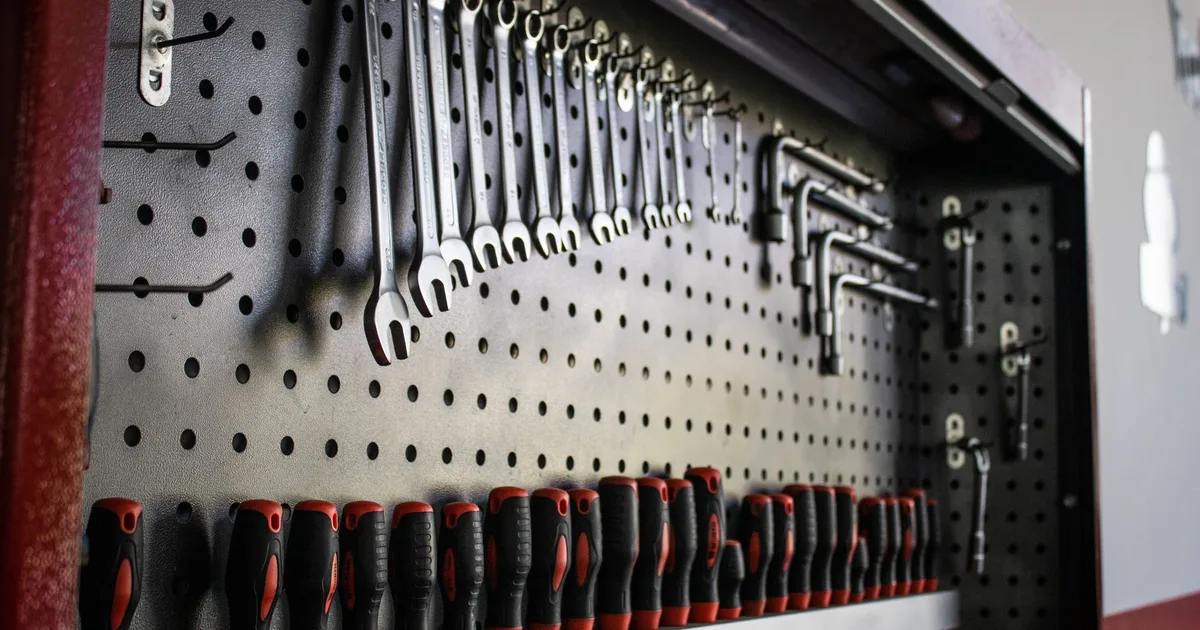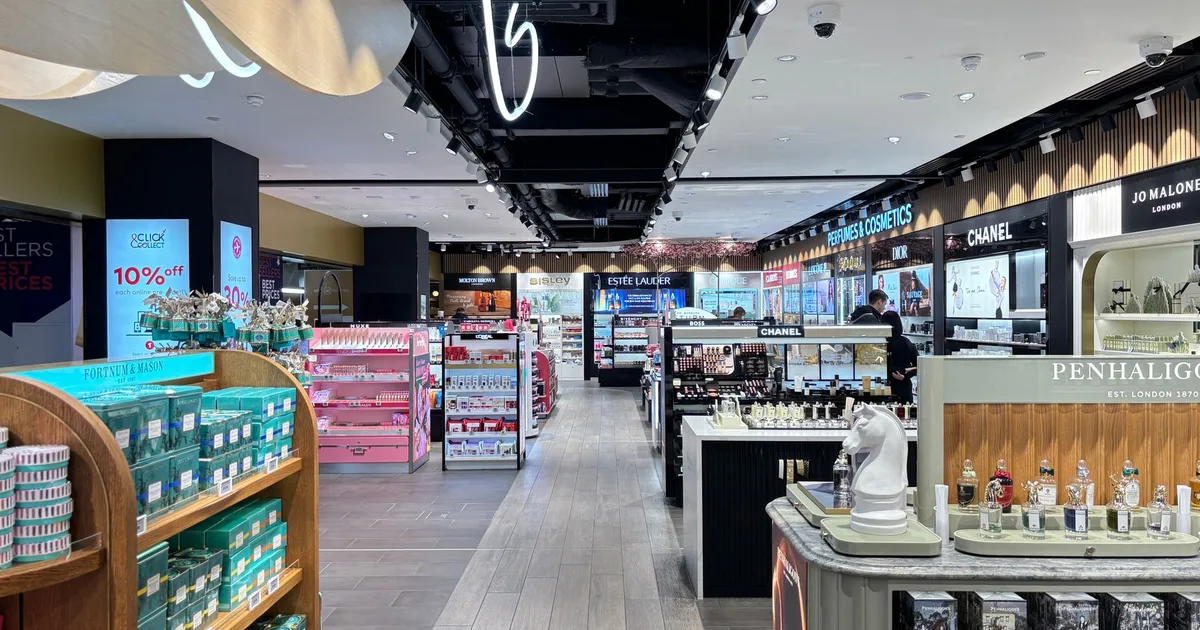
A side kick display (also written "sidekick") is a slim panel of hooks or pockets that hangs on the side of a gondola end, a shelf upright or a cooler, holding small hanging packs. It costs little space and puts a small item exactly where the shopper is looking: batteries beside toys, snack bags beside drinks (see batteries display planogram for the battery side), sachets beside a related grocery item.
How a side kick display differs from a clip strip
A clip strip holds one column of small packs on clips from a shelf edge. A side kick is wider and sturdier, with several hook rows and a header card, so it can carry a small range from one brand. For the strip version, see clip strip merchandising.
Planning the hooks
| Row | Content |
|---|---|
| Header | Brand and price message |
| Top hooks | Light, small items |
| Eye-level hooks | Best seller |
| Lower hooks | Larger or multipacks |
Units per hook come from hook length divided by pack depth, as on any hanger display planogram.
Five rules that keep it working
- Pair it with the category beside it.
- Keep it slim so it doesn't catch trolleys.
- Label each hook.
- Refill daily; small panels empty fast.
- Record it in the planogram with position and dates.
Small space, strong pairing
A side kick display earns its spot through a clear pairing and constant availability. Keep it slim, labelled and full. Wikipedia's impulse purchase article explains the behaviour, and its endcap entry shows the fixture it usually hangs on.
FAQ
What is a side kick display?
A slim hanging panel with hooks or pockets, fixed to the side of a gondola end, upright or cooler.
What products suit side kick displays?
Small hanging packs that pair with the category beside them.
How is a side kick different from a power wing?
Side kicks usually hold hanging packs on hooks; power wings usually have shelves.
Do side kick displays need planning?
Yes, position, hook contents, capacity and dates, so they stay full and in place.