A supplier redesigns a product's packaging — a new bottle shape, a lighter-weight box, a reformulated pack size — and the change looks minor from the supplier's side. On the planogram, it can ripple through more than just the one SKU's dimensions, because every calculation downstream was built on the old numbers.
What actually needs to be re-checked, not just the one SKU
Facings per shelf for that SKU. The most obvious update — a wider or narrower pack changes how many facings fit in the same bay width — but it's also the easiest one to catch, since it's directly tied to the dimension that changed.
Total category width and whether adjacent SKUs still fit. If the resized product now takes more width for the same facing count, something in the category has to give — either reduced facings for that SKU, or a knock-on adjustment to neighboring positions that the original plan didn't anticipate.
Shelf clearance, if the height or depth changed. A taller or deeper pack can affect which shelf tier it fits on, independent of whether its width changed at all — a height increase can silently violate a clearance that was previously comfortable.
Weight, for heavier categories. A reformulated or repackaged product can have a different weight per facing, which matters for shelf load ratings, especially if the SKU sits on an upper shelf with a tighter weight allowance.
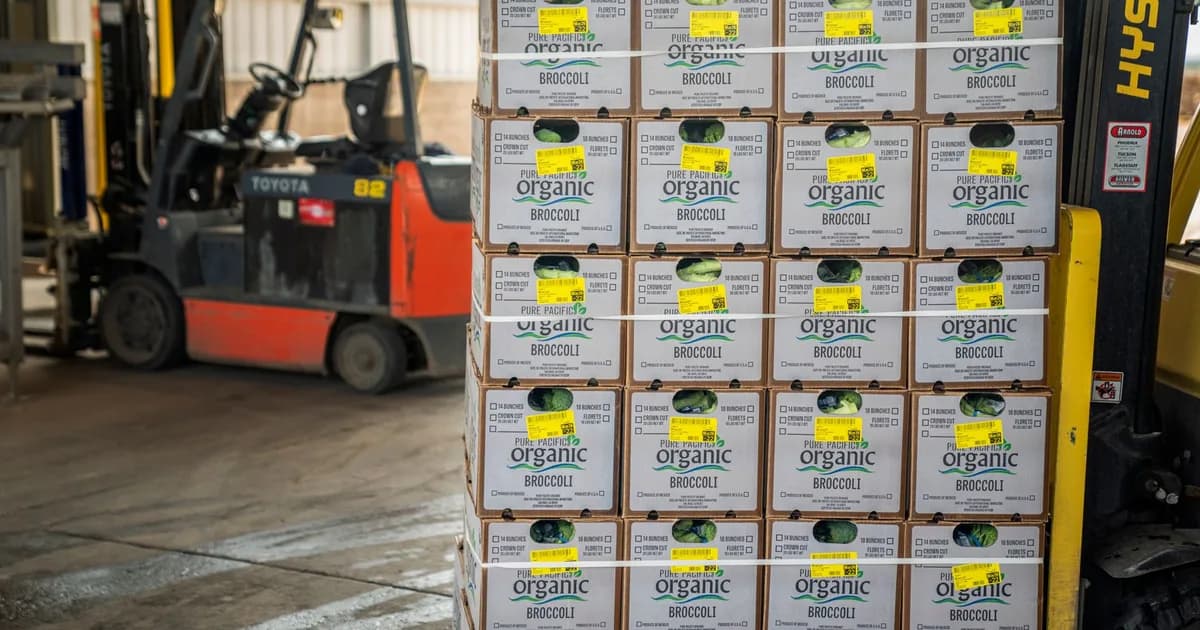
Case pack and the shelf-ready packaging format, if applicable. A pack size change often changes how many units fit per case, which changes case dimensions for any shelf-ready format — this is a second layer of recalculation beyond the individual unit change.
Why this is easy to under-scope
A pack size change notification from a supplier often arrives as a single data point — new dimensions for one SKU — without flagging everything downstream that depends on it. Updating just that one line in the system, without re-running the facings and adjacency checks it affects, is how a dimension change quietly turns into a reset-day surprise weeks later.
A practical update process
- Treat any supplier dimension change as a trigger for a full facings recheck, not just a data field update.
- Check neighboring SKUs in the same bay, not just the changed SKU in isolation — width changes especially tend to have knock-on effects.
- Confirm the change date against the reset schedule, so the updated planogram is ready before the new pack size actually arrives in stores, not after.
- Communicate the change to store teams explicitly, especially if facings or shelf position shift — an unannounced change is more likely to be executed as "close enough" rather than exactly to the new spec.
This is closely tied to planogram submission rejected, and the two often need to be solved at the same time. If this is a recurring issue in your stores, wrong product adjacency covers a closely related angle worth checking. See products do not fit on shelf for a related breakdown that often comes up alongside this.
FAQ
How far in advance do suppliers typically notify retailers of a pack size change?
This varies significantly by supplier and by how major the change is, but earlier notice gives more time to fully re-check downstream planogram impacts rather than rushing an update right before the new pack ships.
Does a pack size change always require a full category re-plan?
Not always — a small, isolated change may only need a facings and clearance recheck for that SKU and its immediate neighbors. A larger change, especially one affecting case pack or shelf-ready format, is more likely to need a broader review.
What happens if the planogram isn't updated before the new pack size arrives?
The reset crew is left to improvise a fit on the day, which is exactly the kind of undocumented adjustment that causes compliance drift — the shelf may look reasonable, but it won't match whatever the system still says the old plan specifies.


