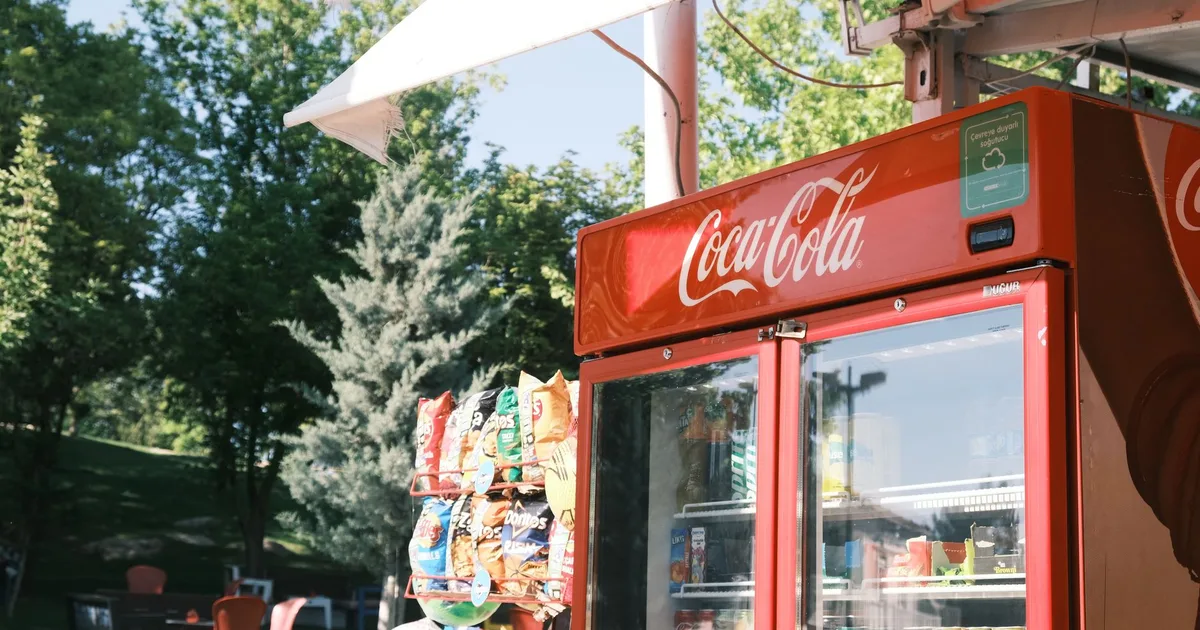
This branded cooler agreement checklist covers the twelve points a supplier and a store should settle before a branded cooler is placed: what may go inside, the planogram, capacity, delivery frequency, placement, power, servicing, audits, branding, performance targets, ownership and how the agreement ends. Most disputes about competitor products in branded coolers come from points nobody wrote down.
It is a practical checklist, not legal advice; local law and your own contracts decide the details.
The 12-point branded cooler agreement checklist
Contents and layout
- What may go inside. Only the supplier's products, or a defined share for other products.
- The planogram. Which products, which shelves, how many facings; how changes are made.
- Capacity vs sales. Enough capacity that the cooler doesn't run empty between deliveries.
Supply
- Delivery frequency. How often the supplier or distributor restocks.
- Minimum range. Core products the supplier guarantees to keep in stock.
Placement and running
- Location in store. Where the cooler sits; see chiller placement in store.
- Power and running costs. Who pays for electricity, if relevant.
- Servicing. Who repairs and cleans, and response times for breakdowns.
Control and performance
- Audits. How often and how compliance is checked; see how to audit coolers in the field.
- Branding. Decals, shelf strips and toppers allowed or required.
- Targets. Minimum sales or volume, and what happens if missed.
Ownership and exit
- Ownership and removal. Who owns the cooler, notice periods and how it is collected.
The points that cause most disputes
Contents (1), capacity (3) and delivery frequency (4) are linked. A cooler that runs empty gets filled with other products. Agree them together.
Write it down before you plug it in
A branded cooler agreement checklist turns assumptions into terms: contents, planogram, capacity, supply, placement, running costs, servicing, audits and exit. With these agreed, the cooler stays on plan and the relationship stays simple. Wikipedia's slotting fee entry explains related trade terms, and ENERGY STAR's commercial refrigeration page is useful when discussing running costs.
FAQ
What should a branded cooler agreement include?
Contents rules, the planogram, capacity, delivery frequency, placement, power, servicing, audits, branding, targets and exit terms.
Can a store put other products in a branded cooler?
Only if the agreement allows it; many agreements restrict contents or allow a defined share.
Who pays for a branded cooler's electricity?
It depends on the agreement; it should be stated clearly.
What happens if the supplier doesn't deliver enough?
That should be covered in the agreement, alongside the store's obligations on contents.