How to audit coolers in the field: on every visit, check seven things in the same order (working condition and temperature, cleanliness, purity, planogram compliance, gaps, pricing and agreement terms), take a standard photo set, score each check, fix what you can on the spot and record what needs follow-up. A repeatable routine makes scores comparable between reps, stores and months.
How to audit coolers in the field: seven checks in order
| # | Check | What "pass" looks like |
|---|---|---|
| 1 | Working | Cold, lights on, doors seal |
| 2 | Clean | Glass, shelves and floor clean |
| 3 | Purity | Only agreed products in branded coolers |
| 4 | Compliance | Products in planogram positions |
| 5 | Gaps | No empty facings for key items |
| 6 | Pricing | Every facing priced |
| 7 | Terms | Placement and access as agreed |
Purity and terms come from the cooler agreement; see branded cooler agreement checklist.
Photos that can be compared
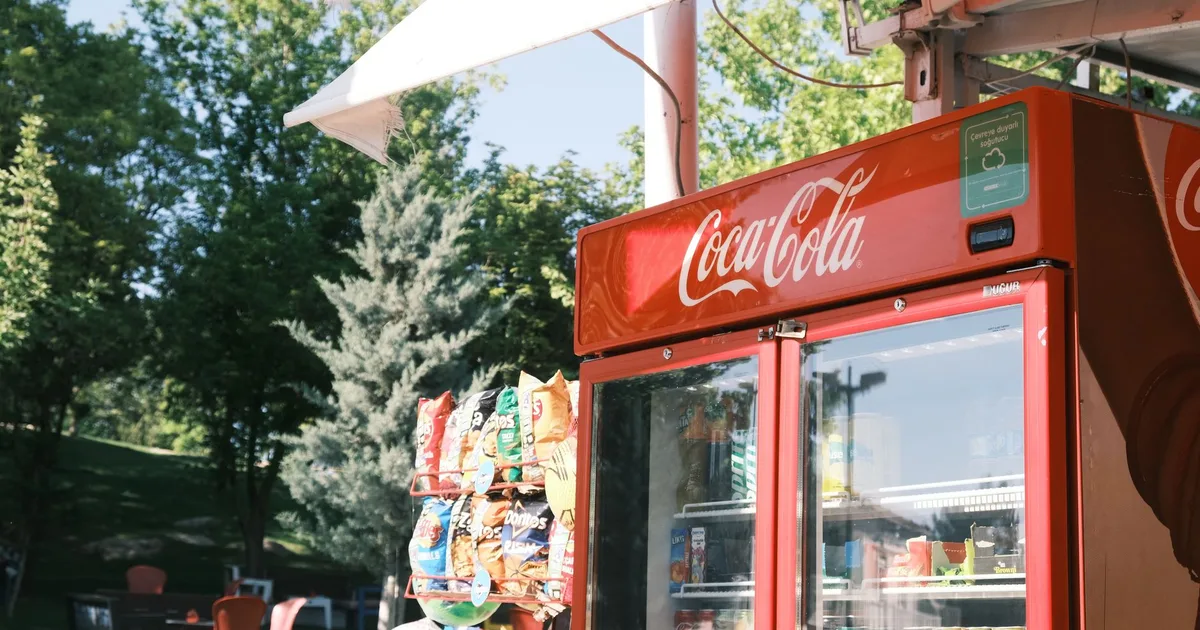
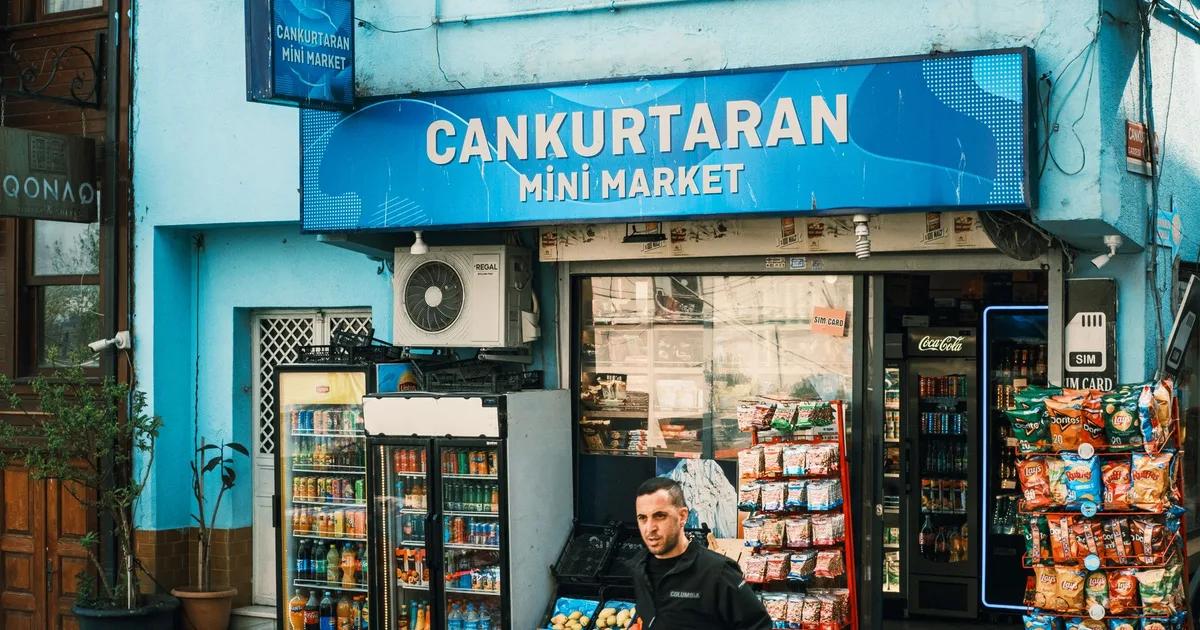
Take the same shots every visit: whole cooler from a fixed distance, then one per door, straight on. The standard is in field team chiller photos inconsistent.
Scoring that drives action
Score each check pass or fail, and weight the ones that hit sales most (gaps, purity, compliance). Track the score per cooler over time, not just per visit. A shared vocabulary helps too; the Survey.com list of planogram and retail terms is a useful starting point for field teams.
Fix on the spot, then follow up
Fix gaps, facings and small layout errors during the visit. Record equipment faults, purity breaches and missing prices for follow-up with the store or service team. For checking a whole planogram, see planogram compliance audit checklist.
Same order, same photos, every visit
How to audit coolers in the field reliably: one fixed order of checks, a standard photo set, weighted scores and immediate fixes. That routine turns visits into data you can compare and act on. Wikipedia's mystery shopping article covers a related audit method used in retail.
FAQ
What should a cooler audit check?
Working condition, cleanliness, purity, planogram compliance, gaps, pricing and agreement terms.
How often should coolers be audited?
Often on each sales visit, with deeper audits on a regular schedule.
What is cooler purity?
The share of a branded cooler holding only the brand owner's agreed products.
How do you make audit scores comparable?
Use the same checklist order, photo set and scoring rules for every rep.