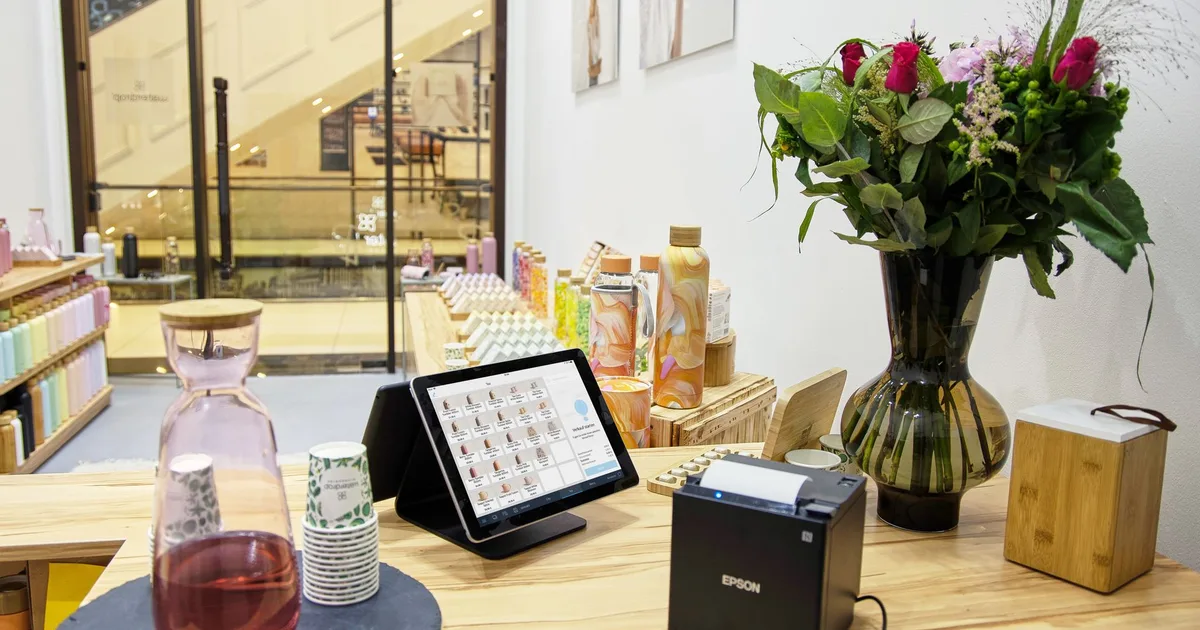
A checkout planogram plans the shelves, hangers and counter units in the queue line and around the till, the last space a shopper passes before paying. It holds small, low-priced impulse items (confectionery, gum, drinks, batteries, small accessories), sets them at the height of the waiting shopper's eye and hand, protects high-theft lines, and keeps everything easy for the cashier to refill.
Zones of a checkout area
| Zone | Typical products |
|---|---|
| Queue shelves | Confectionery, gum, mints, small snacks |
| Queue chiller | Single cold drinks |
| Counter display | Lighters, lip balm, small accessories |
| Behind the counter | High-theft and age-restricted items |
| Hangers on lane ends | Batteries, chip bags, sachets |
Seven rules for a checkout planogram
- Small and cheap. Items that need no comparison or thought.
- Eye and hand height for someone standing in line.
- Children's items placed with care; many retailers now follow policies limiting sweets at child height at checkouts.
- High-theft items within the cashier's view or behind the counter; see shelf placement to reduce shoplifting.
- Don't block the counter or payment terminal.
- Refill daily, often before each peak.
- Rotate a small seasonal slot to keep the area fresh.
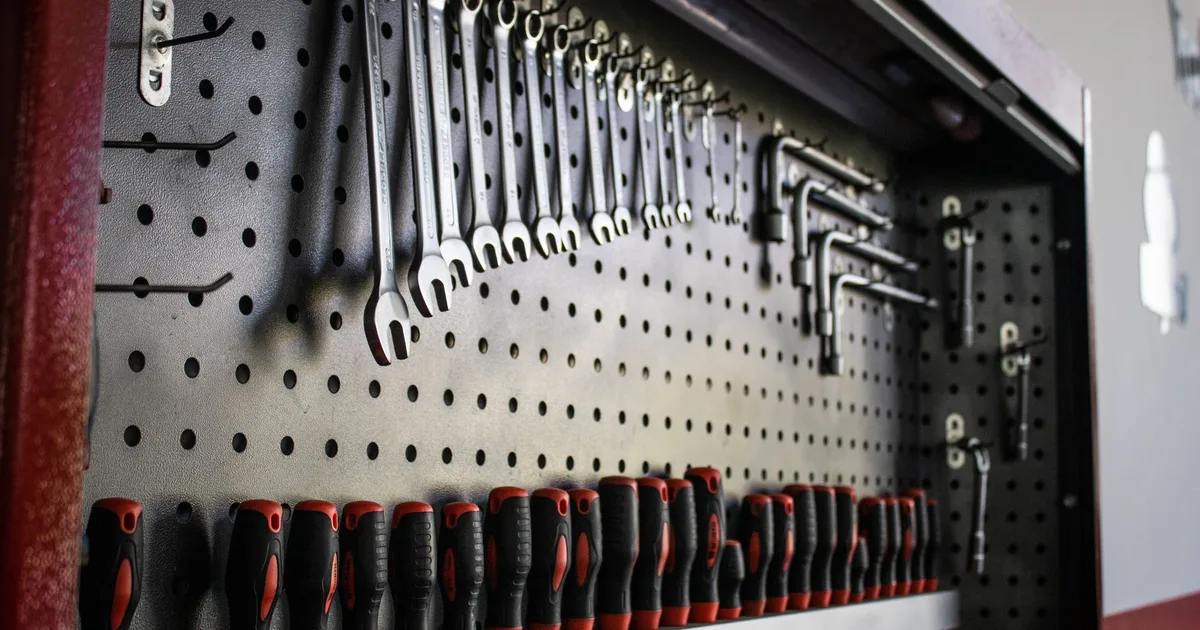
Hangers at the till
Lane-end hangers and clip strips add capacity without counter space; see confectionery checkout hanger. For counter units, see counter display planogram.
Small items, easy reach, watched by the cashier
A checkout planogram turns waiting time into sales when it offers small, low-cost items at the right height, keeps theft-prone items in the cashier's view and gets refilled before rushes. Wikipedia's point of sale display article and its shoplifting entry cover the background.
FAQ
What products go at the checkout?
Small, low-priced impulse items: confectionery, gum, single drinks, batteries and small accessories.
Why are sweets placed at checkouts?
They are classic impulse buys for waiting shoppers, though some retailers and regions now restrict them.
How do you stop theft at the checkout?
Keep high-theft items in the cashier's view or behind the counter.
How often should checkout displays be refilled?
Daily, and often before each busy period.