Shelf placement to reduce shoplifting means putting high-theft items where staff can see them, limiting how many units sit on open shelves, using secure fixtures for the most targeted products, and removing blind spots, all without making the products impossible to buy. Good placement is one part of loss prevention, alongside staff presence, tagging and store policies.
High-theft items vary by store, but often include razor blades, batteries, cosmetics, fragrances, baby formula, spirits, phone accessories and some medicines.
Six rules of shelf placement to reduce shoplifting
1. Keep high-theft items in sight lines
Place them near checkouts, service counters or busy aisles where staff naturally look. Avoid the ends of long aisles and corners.
2. Fewer facings, more frequent refills
A shelf holding dozens of units invites sweeping. Limit facings and depth on targeted items and refill more often from secure storage.
3. Use secure fixtures where needed
Locked cabinets, peg hooks with locking ends, spider wrap or display dummies. Use them selectively; overusing them hurts sales.
4. Remove blind spots
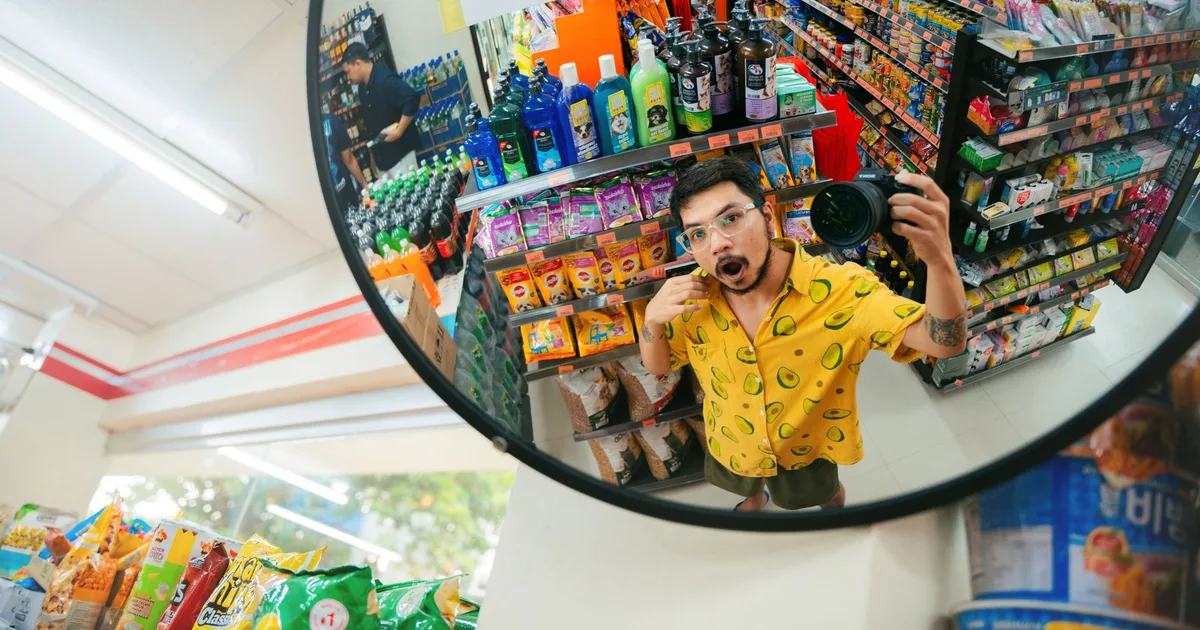
Tall displays, end caps and stacked pallets can block views. Pallets left in aisles cause other problems too; see shelf blocked by stock carts and pallets. Keep sight lines open across the store.
5. Place small high-value items higher or at counter level
Items at waist level near exits are easiest to take unseen. Small, valuable products sit better at eye level in visible locations.
6. Watch the data
Track shrink by product and location. If losses move after a change, adjust placement again.
Balance security and sales
Every lock and locked cabinet adds friction for honest shoppers. Use placement first, physical security second, and review whether secured items still sell. Our pegboard planogram guide covers hook choices for small items.
Planogram notes for high-theft items
Mark targeted SKUs on the planogram with their maximum facings and fixture type, so resets don't accidentally move them into blind spots. Include the rule in your planogram rules of thumb.
Visible beats locked
Shelf placement to reduce shoplifting works best when visibility does most of the work: targeted items in sight lines, modest stock on open shelves, secure fixtures only where needed and regular shrink reviews. Wikipedia's shoplifting article gives broader background.
FAQ
Where should high-theft items be placed in a store?
In sight lines near checkouts, counters or busy aisles, away from blind spots and exits.
Does limiting facings reduce theft?
It reduces how much can be taken at once; refill more often from secure storage to avoid gaps.
Do locked cabinets hurt sales?
They can, by adding friction. Use them only for the most targeted, high-value items.
What products are most often shoplifted?
It varies by store, but small, high-value items such as razor blades, batteries, cosmetics and spirits are common targets.


