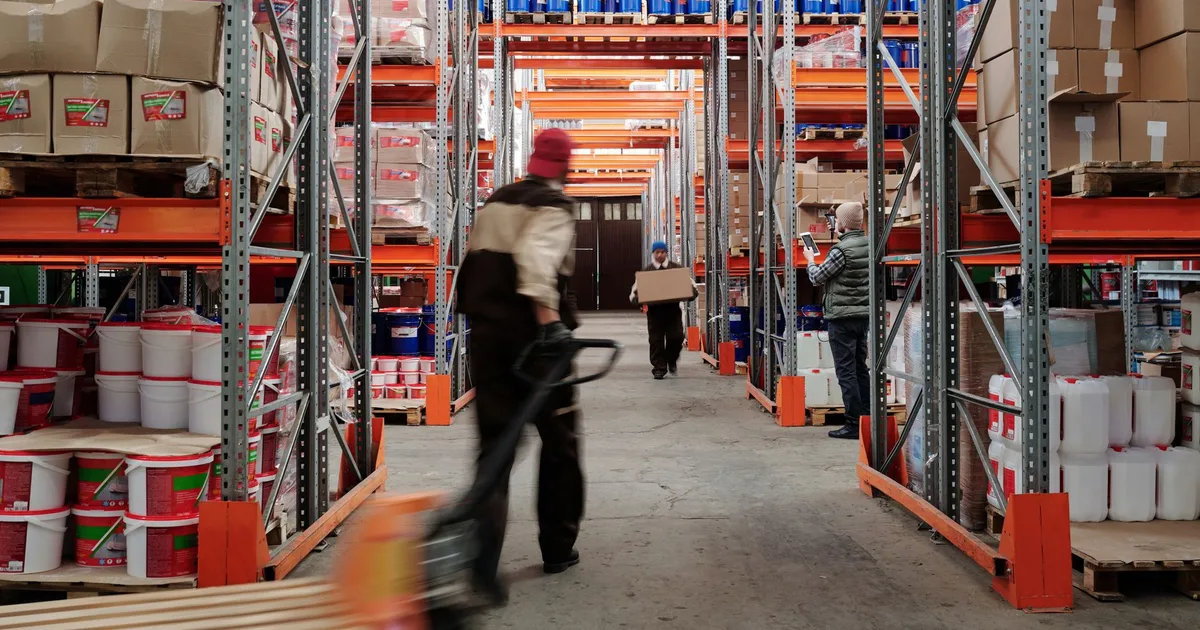
Heavy packs placement on shelves follows one main rule: as low as possible, usually the base deck or bottom shelf, within the shelf's rated load, without stacking unless the pack is designed for it. Heavy items up high risk injuries to shoppers and staff, sagging shelves and damaged stock. Placed low, they are easier to lift and still sell well, because shoppers buying large packs usually look for them.
Heavy packs include large bottles of water and soft drinks, multipacks, detergents, pet food, flour, rice and cooking oil.
Rules for heavy packs placement on shelves
1. Low first
Bottom shelf or base deck for the heaviest items. The base is usually deeper and strongest.
2. Respect load ratings
Every shelf has a maximum load. Add up units × weight per unit. If it is close to the rating, reduce units or move items lower. Our guide on how to calculate shelf capacity includes the weight check.
3. Don't stack unless designed for it
Stacking heavy packs creates unstable columns. Where stacking is allowed, keep it low and stable; OSHA's rule on material storage requires stored material to be stable.
4. Leave room to lift
Allow finger space above heavy items and avoid deep shelves where shoppers must reach far back to lift weight.
5. Plan replenishment
Heavy packs often sell in volume. Low shelves limit facings, so check capacity against sales and refill frequency; a gap on water in summer is costly.
Signs heavy placement is wrong
- Sagging or bowed shelves.
- Dented or split packs.
- Staff or shoppers struggling to lift from above shoulder height.
- Products falling; see products falling off shelves.
Sales and safety agree
Placing heavy packs low rarely costs sales. Shoppers buying large formats seek them out, and eye level can go to single serves and higher-margin items; see shelf zones explained.
Low, within limits, unstacked
Heavy packs placement on shelves is a safety decision first and a merchandising decision second, and the two usually agree: low shelves, within load ratings, unstacked, with enough capacity. Wikipedia's gondola entry describes the base decks and shelves involved.
FAQ
Where should heavy products go on a shelf?
On the bottom shelf or base deck, within the shelf's load rating.
Why should heavy items not go on top shelves?
They are harder to lift safely, can fall and injure people, and can overload the shelf.
What load can a typical shelf take?
It depends on the shelf; check the manufacturer's load rating and keep below it.
Can heavy packs be stacked?
Only if they are designed to stack and the stack stays low and stable.


