How to become a planogram analyst: learn how retail shelves and categories work (ideally from store or merchandising experience), get strong in Excel and basic data analysis, learn at least one planogram tool, build a small portfolio of planograms with real dimensions, and apply for space planning, planogram or category analyst roles at retailers, large suppliers or merchandising agencies.
The job title varies: planogram analyst, planogrammer, space planner, space analyst, category analyst. The work is similar: turning range and space decisions into accurate, store-ready plans.
What a planogram analyst actually does
A typical week might include:
- building and updating planograms for store clusters
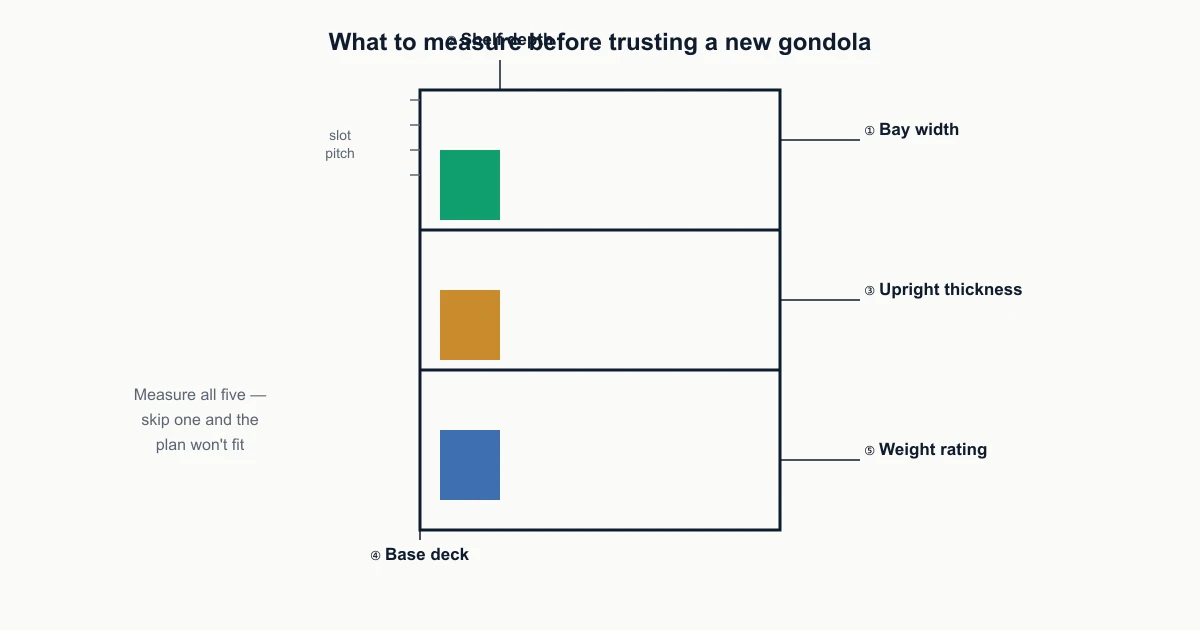
- checking that products fit fixtures and hold enough stock
- preparing plans and change lists for resets
- analysing sales per metre, days of supply and out-of-stocks
- working with category managers, suppliers and store operations
- fixing plans that stores report as not fitting
It is detailed, deadline-driven work. Accuracy matters more than flair.
Skills employers look for
Retail understanding
- how shoppers choose in a category
- shelf zones, blocking and adjacency
- how resets and replenishment work in stores
Data and Excel
- lookups, pivot tables and basic formulas
- comfort with sales, inventory and product data
- simple metrics: sales per linear foot, days of supply, share of shelf
Planogram tools
- at least one planogram application, enterprise or browser-based
- product libraries, fixtures, facings and reports
Communication
- explaining a plan to a buyer
- writing clear instructions for stores
How to become a planogram analyst in six steps
- Get close to the shelf. Store, merchandising or field sales roles teach how planograms succeed or fail. Many analysts start there.
- Learn the vocabulary. Our planogram terminology glossary covers the terms you will hear in interviews.
- Build Excel skills. Practise with real-style data: product lists, sales by week, shelf capacities.
- Learn a planogram tool. Many tools offer trials or free tiers. Build plans with real dimensions, not invented sizes.
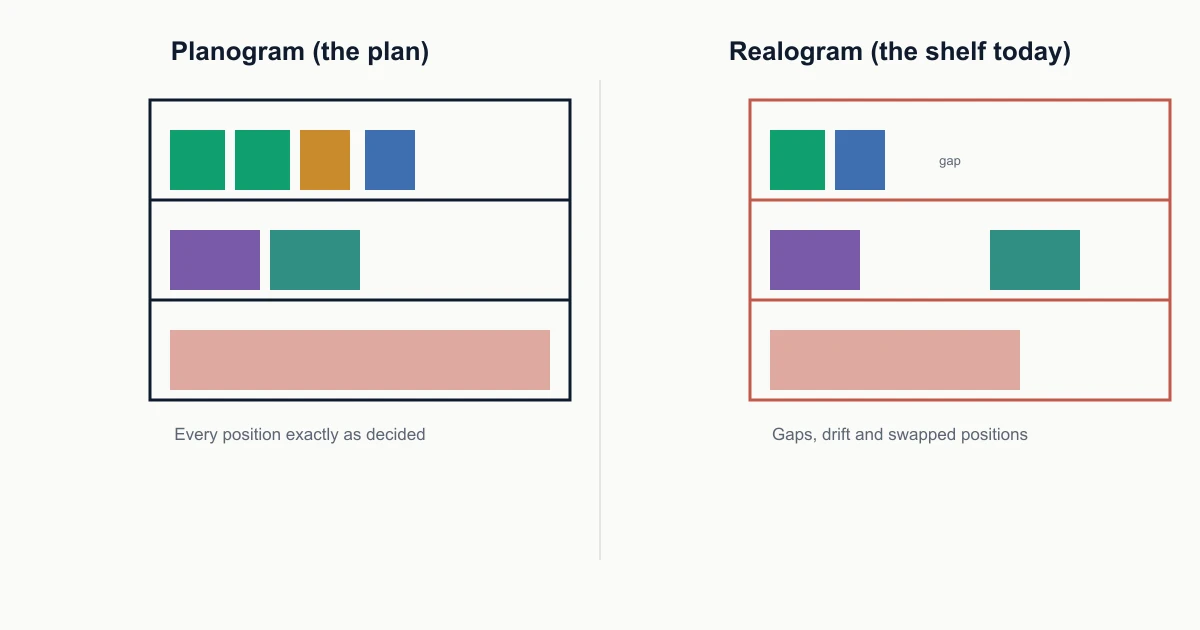
- Create a portfolio. Three or four planograms with a short explanation of each decision: a snacks bay, a drinks cooler, a peg wall. Include the capacity check and why you placed best sellers where you did. Our guide on how to make a planogram is a good structure for that explanation.
- Target the right employers. Retailers' space planning teams, large FMCG suppliers' category teams and merchandising agencies all hire for this work.
Where the career goes
From planogram analyst, common next steps are senior space planner, category analyst, category manager or roles in retail operations. The mix of data and store knowledge also suits trade marketing on the supplier side. Wikipedia's category management article describes the wider function these roles sit in.
Show judgement, not just tool skills
Knowing how to become a planogram analyst comes down to proving two things: you understand how shelves work in real stores, and you can turn data into accurate plans. A portfolio that explains your decisions, not just your drawings, does more than any single certificate. For context on the documents you will produce, see Wikipedia's planogram entry.
FAQ
What qualifications do you need to be a planogram analyst?
There is no single required qualification. Employers usually value retail or merchandising experience, strong Excel skills and experience with planogram software; some prefer a degree in business, retail or analytics.
Is planogram analyst a good career?
It suits people who like detail, data and retail. It offers routes into space planning, category management and trade marketing.
What software do planogram analysts use?
Dedicated planogram applications, ranging from enterprise space-planning suites to browser-based tools, plus Excel for data work.
Can I learn planogramming without experience?
Yes. Learn the terms, practise with real dimensions in a planogram tool and build a small portfolio that explains your decisions.