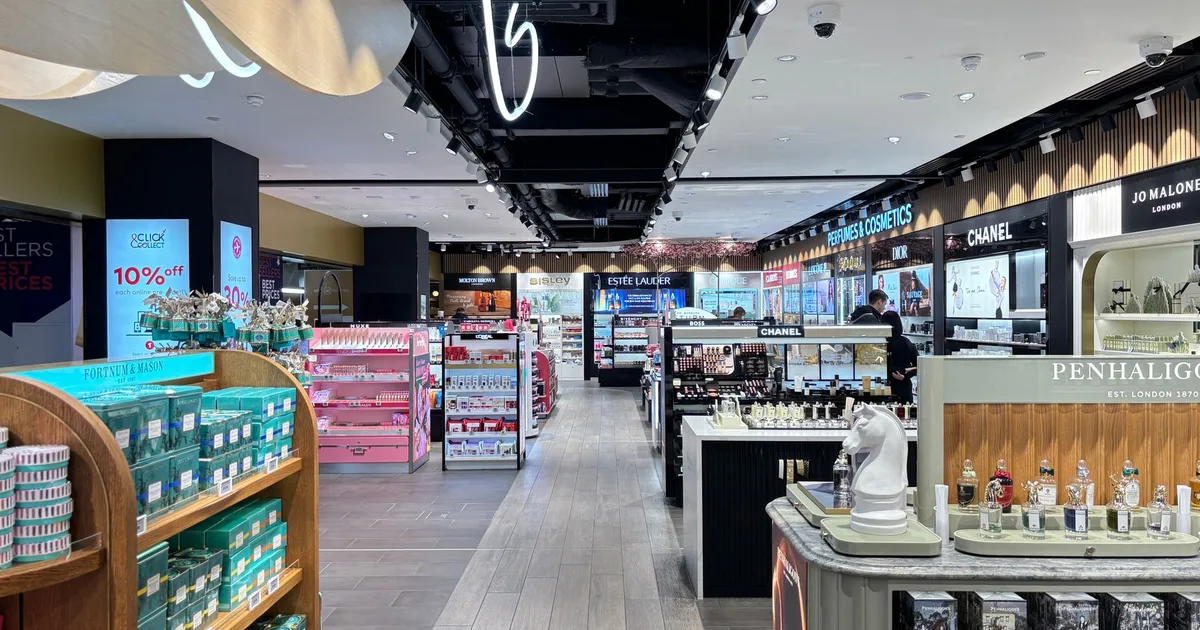
An impulse display layout decides where in the store to place products that shoppers didn't plan to buy: small, low-cost, easy-to-grab items in spots where shoppers slow down or pause. The main spots are the entrance zone after the first few steps, the ends of aisles, the queue and checkout, beside related products, and along the main traffic path. The products themselves change often; the spots are what you plan.
An impulse purchase depends on seeing the item at the right moment, which is why location matters more than fixture.
Six spots that anchor an impulse display layout
| Spot | Why it works | Typical display |
|---|---|---|
| Just past the entrance | First attention, slowing pace | Floor stand, pallet |
| Aisle ends | Every shopper passes | End cap, power wing |
| Queue | Waiting time | Hangers, shelves |
| Counter | Last moment | Counter unit |
| Beside a related product | Need is triggered | Clip strip, side kick |
| Main path | High traffic | Floor stand, PDQ |
Choosing products for impulse spots
Good impulse items are cheap enough to add without thinking, easy to understand at a glance and small enough to carry. Seasonal and new items work well because novelty catches the eye.
Rotate, or it disappears
Shoppers stop seeing displays that never change. Plan a rotation calendar (often every two to four weeks) and record each display's position and dates; see secondary display placement.
Plan the spots, rotate the products
An impulse display layout works by owning the places where shoppers slow down and filling them with small, cheap, relevant items that change regularly. Measure each spot's sales so the best positions go to the products that use them best. For the till area, see checkout planogram. Wikipedia's visual merchandising article covers store-wide display design.
FAQ
Where should impulse items be placed in a store?
Where shoppers slow down: past the entrance, at aisle ends, in queues, at the counter and beside related products.
What makes a good impulse product?
Low price, easy to understand, small and often new or seasonal.
How often should impulse displays change?
Commonly every two to four weeks, to stay noticeable.
Do impulse displays need a planogram?
Yes, at least position, products, capacity and dates, so they get refilled and rotated.