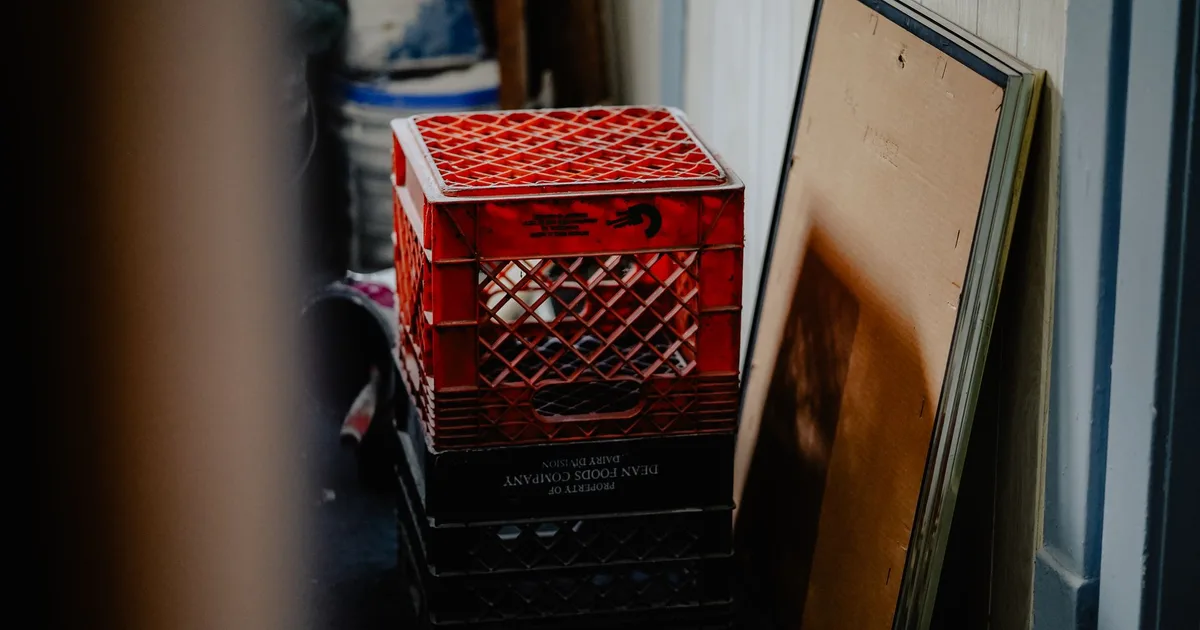
A shelf full but backroom overflowing means stores receive more stock than their shelves can hold between deliveries. The usual causes are order quantities set by supplier minimums or old forecasts, case packs too large for the shelf, deliveries too infrequent (so each one is huge), and promotional stock arriving with no display space. The fix is to align ordering with planogram capacity, not the other way round.
Overflowing backrooms cost labour, cause damage and hide stock, which ironically leads to gaps later.
Why the backroom fills up
- Orders above capacity. Replenishment doesn't know shelf capacity, or ignores it.
- Big case packs. A case of 48 for a shelf holding 30.
- Minimum order quantities from suppliers or distribution centres.
- Infrequent deliveries, so each delivery covers a week or more.
- Promotions without space, so extra volume lands in storage.
Five ways out of a shelf full but backroom overflowing situation
Link orders to planogram capacity
Feed shelf capacity per SKU into the ordering system, so orders bring stock up to capacity plus a small buffer, not to a fixed number.
Right-size case packs
Ask suppliers for smaller cases on slow items, or give those items enough space for a full case; see case pack out.
Deliver more often, in smaller amounts
Where possible, especially for fast movers and bulky items. Suppliers on direct store delivery can often deliver smaller drops.
Give promotions their own space
End caps and floor displays hold the extra volume. Plan them with the promotion.
Clear the old stock
Count the backroom, return or mark down excess and fix the orders that caused it.
The data check
For each product in the backroom: compare backroom units with daily sales. Items holding weeks of backroom stock are where ordering and capacity disagree most. See how to calculate days of supply.
Order to the shelf, not to the truck
A shelf full but backroom overflowing is an ordering problem dressed as a storage problem. Tie orders to planogram capacity, fix case sizes and delivery frequency, and plan promotions with their own space. Wikipedia's reorder point article and its vendor-managed inventory article describe ordering models that make this easier.
FAQ
Why is the backroom full when the shelf is full?
Stores receive more stock than shelves can hold between deliveries, often due to large orders, big cases or promotions.
How do you reduce backroom stock?
Base orders on shelf capacity, reduce case sizes, deliver more often and give promotions display space.
Is backroom stock bad?
Some buffer is useful, but large amounts tie up cash, get damaged and are often forgotten.
Should planogram capacity drive ordering?
Yes. Orders that refill shelves to capacity plus a small buffer keep backrooms lean.


