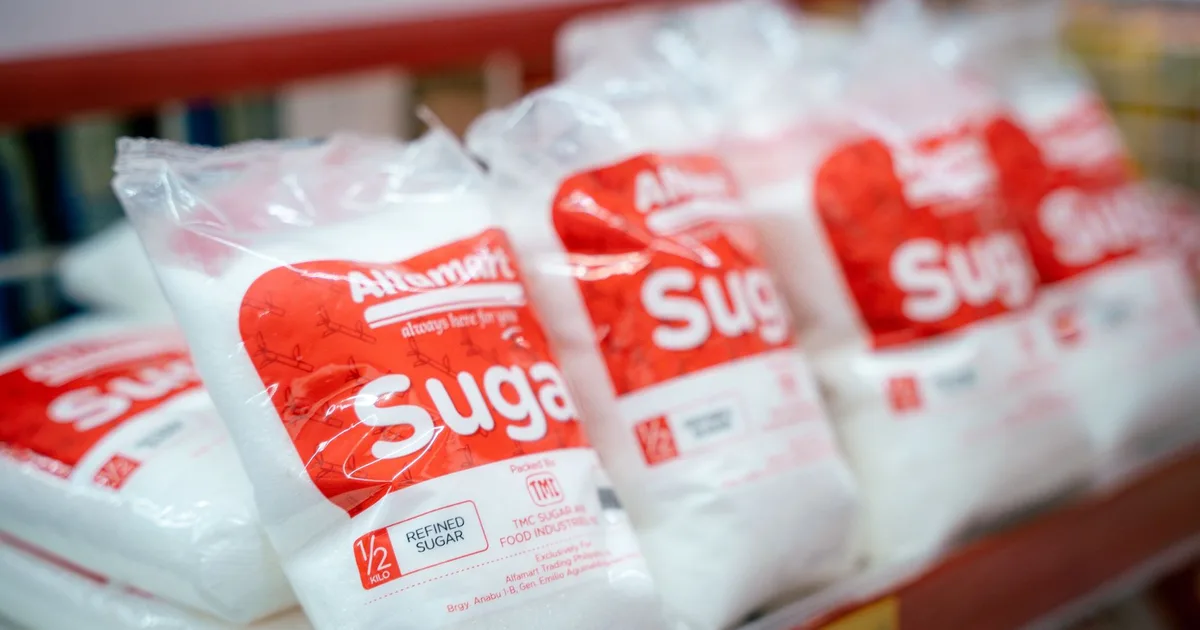
When shoppers cannot see bottom shelf products, the shelf usually holds the wrong items or presents them badly: small packs whose labels face up into the shelf above, products pushed far back on a deep base deck, overhanging price strips, and dark lighting near the floor. Fix it by placing products that suit low shelves (large, heavy, destination items), bringing them forward or onto risers, and adding clear signage.
The bottom shelf is the "stoop level" zone; see shelf zones explained. It will never match eye level, but it doesn't have to be dead space.
Why bottom shelves get overlooked
- Shoppers look ahead, not down, while walking.
- Small packs disappear among larger items.
- Base decks are deep, so products sit far from the edge.
- Lighting is weakest near the floor.
- Carts and baskets block the view in narrow aisles.
What to change when shoppers cannot see bottom shelf products
1. Put the right products low
Large and heavy packs, family sizes and destination products that shoppers look for anyway. They are visible because of their size and sought out because of their purpose. See heavy packs placement on shelves.
2. Bring products forward
Pull products to the front of the base deck. On a gondola the base deck is usually the deepest shelf. If the deck is very deep, use risers or a stepped insert so back rows are visible.
3. Tilt or raise
Some fixtures allow a slightly angled base shelf with a front fence, which shows more of each pack.
4. Add signage
A segment header or price strip that is easy to read from standing height helps shoppers know what is down there.
5. Check lighting
Shadowed base decks hide products; see dark spots in shelf lighting.
What not to put on the bottom shelf
Small, high-margin impulse items, new launches that need discovery, and products whose labels face upwards out of sight.
Low shelves for products people look for
Shoppers cannot see bottom shelf products when the shelf is used for the wrong items or presented poorly. Use it for large, heavy and destination products, bring them forward, raise or tilt where possible, and light and sign it clearly. Wikipedia's visual merchandising entry explains why sight lines matter.
FAQ
What should go on the bottom shelf?
Large, heavy, family-size and destination products that shoppers seek out, and value lines in price-tiered layouts.
Why don't shoppers see bottom shelf items?
They look ahead rather than down, base decks are deep and dark, and small packs blend in.
Do shelf risers help on bottom shelves?
Yes. They lift back rows into view on deep base decks.
Is the bottom shelf bad for sales?
It sells less than eye level, but the right products, such as large packs, sell well there.


