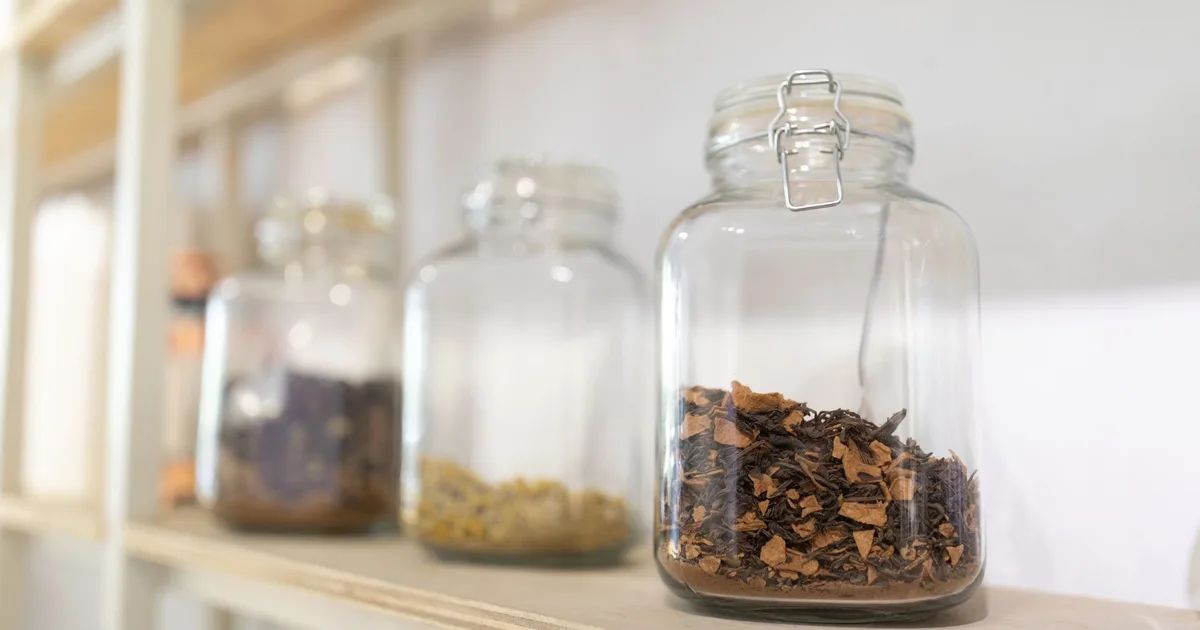
No other dry grocery category packs as many distinct SKUs into as little linear shelf space as spices and herbs. A spice rack planogram has to solve a genuinely different problem than most of the store: not "how do I sell more of my best sellers," but "how do I let a shopper find one specific small jar among eighty near-identical ones, fast."
Why alphabetical order usually wins here
In almost every other category, alphabetical facing order is a weak default — it ignores sales velocity and makes poor use of prime shelf space. Spices are the exception. Shoppers overwhelmingly search spice racks by name ("where's the cumin"), not by browsing for inspiration, so alphabetical order genuinely reduces search time more than a sales-rank-driven layout would. The trade-off is that your best-selling spices (salt, pepper, cinnamon, paprika) don't get premium shelf position — which is usually fine, since shoppers already know to look for them and will find them regardless of exact position.
Jar size breaks the alphabetical rule in one place
Standard spice jars are fairly uniform, but bulk/value-size jars and small gourmet or specialty jars aren't. Rather than forcing every size into one alphabetical run (which creates awkward gaps and overhangs), most spice racks work better with two parallel runs — standard-size jars alphabetical on the main rack, and bulk or value multi-packs as a separate, clearly signed block elsewhere on the fixture.
Making a dense fixture actually usable
- Shelf lips matter more here than almost anywhere else in the store — small, light jars shift easily when a shopper pulls one out, and a missing lip means a cascading mess two shelves down.
- Label-forward facing is non-negotiable given how similar many jars look from any angle but the front — a spice jar turned even slightly is often unreadable at a glance.
- Seasonal spice demand (pumpkin spice, mulling spices, grilling rubs) deserves a small secondary block near the main rack rather than disrupting the alphabetical order of the permanent range.
- Dust and product buildup on jar lids is a real visual problem in a slow-turning category — a spice rack needs more frequent light cleaning passes than its sales velocity alone would suggest.
A closely related question is candy aisle planogram, which tends to come up around the same time. This connects to cracker and cookie aisle planogram — the two are usually worth planning together. Worth checking next: vitamins and supplements aisle planogram, which covers a closely related part of the same decision.
FAQ
Does alphabetical order apply to spice blends too, or just single-ingredient spices?
Most stores alphabetize single-ingredient spices and herbs together, then group blends (seasoning mixes, rubs) into their own separate alphabetical or occasion-based block, since a shopper searching for "taco seasoning" is thinking in blend names, not ingredient names.
How much shelf space should bulk spice jars get?
Enough to reflect genuine demand from shoppers who cook in volume or buy for the pantry rather than per-recipe — in most stores this is a modest, clearly bounded block rather than a large one.
Is it worth color-coding the spice rack by category (herbs vs spices vs blends)?
It can help at a glance, but it shouldn't override alphabetical findability within each color-coded zone — the goal is still "can a shopper find the exact jar they want in a few seconds," and color alone doesn't achieve that on its own.


