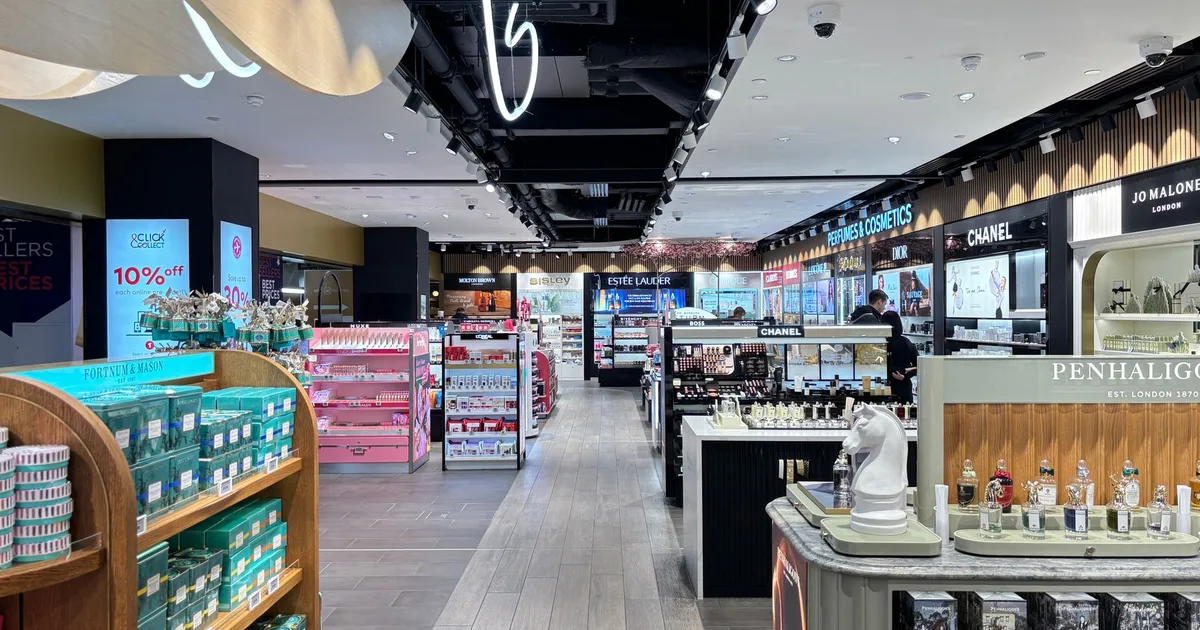
The household cleaning aisle exists year-round, which raises an obvious question for anyone planning a spring cleaning seasonal display: what's actually different about it, beyond the timing? Done well, the answer is curation and occasion-framing, not duplication — the display should pull together a focused, purpose-built selection that makes starting a spring cleaning project easier, rather than just re-facing the same permanent range in a second location.
Curating for the occasion, not just relocating the aisle
A genuinely useful spring cleaning display groups products around specific project types — deep-cleaning kits, window and outdoor cleaning supplies, closet and storage organization items, carpet and upholstery refresh products — rather than simply pulling a broad cross-section of the permanent cleaning aisle into a second location. The goal is to save a shopper the trip of assembling those items themselves from several different permanent-aisle locations.
Why this display benefits from cross-category thinking more than most seasonal resets
Spring cleaning projects often span categories that don't normally sit near each other — cleaning chemicals, storage and organization products, even light hardware for small home-refresh projects. A display willing to pull relevant items from outside the core cleaning aisle, where the project genuinely calls for it, tends to perform better than one strictly limited to traditional cleaning SKUs alone.
Keeping the seasonal footprint proportionate
- Size the display based on genuine seasonal lift in your own sales data, not an assumption that spring cleaning is automatically a major seasonal event everywhere — its scale varies more by region and climate than some other seasonal occasions.
- Avoid pulling so much stock from the permanent aisle that it leaves gaps there — the seasonal display should supplement the core range's visibility, not strip it of depth during the display's run.
- Plan a clear timeline for taking the display down, since unlike some seasonal categories, "spring cleaning" doesn't have as hard a calendar cutoff as a specific holiday, which makes it easy to let the display linger past its useful window without a deliberate decision to end it.
- Use the display as an opportunity to introduce new or underexposed products in the cleaning category, since a seasonal spotlight can give a less prominent SKU a visibility boost it wouldn't get in its normal permanent-aisle position.
Worth checking next: summer travel essentials seasonal display, which covers a closely related part of the same decision. This is closely tied to valentine's day display planning, and the two often need to be solved at the same time. If this is a recurring issue in your stores, summer grilling and bbq display covers a closely related angle worth checking.
FAQ
How is a spring cleaning display different from just facing more of the regular cleaning aisle?
The value comes from curation and project-based grouping — pulling together what a specific cleaning project actually needs, potentially from multiple parts of the store, rather than simply duplicating the permanent aisle's existing range in a second location.
When should a spring cleaning display go up and come down?
Timing varies more by climate and region than some holiday-driven seasonal categories — checking your own store's historical sales pattern for this period is more reliable than assuming a fixed national window.
Does this display work better as an end-cap or a dedicated secondary location?
Both can work; the choice depends on available space and how much emphasis the occasion justifies in your specific store, based on how strong the seasonal lift actually is in your own sales history.