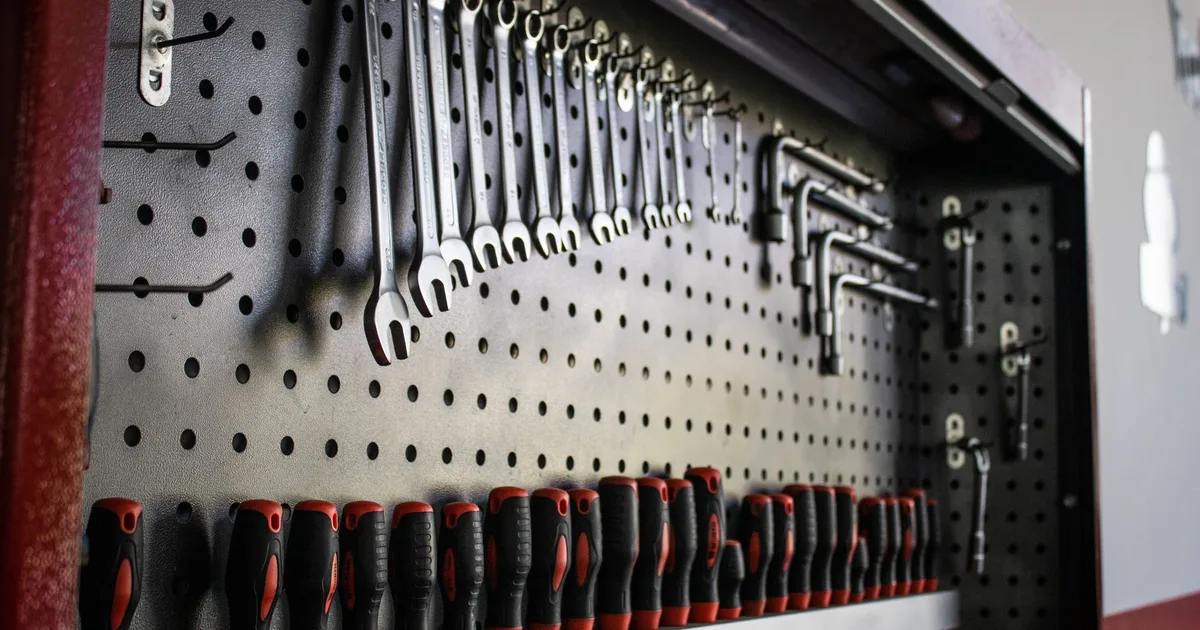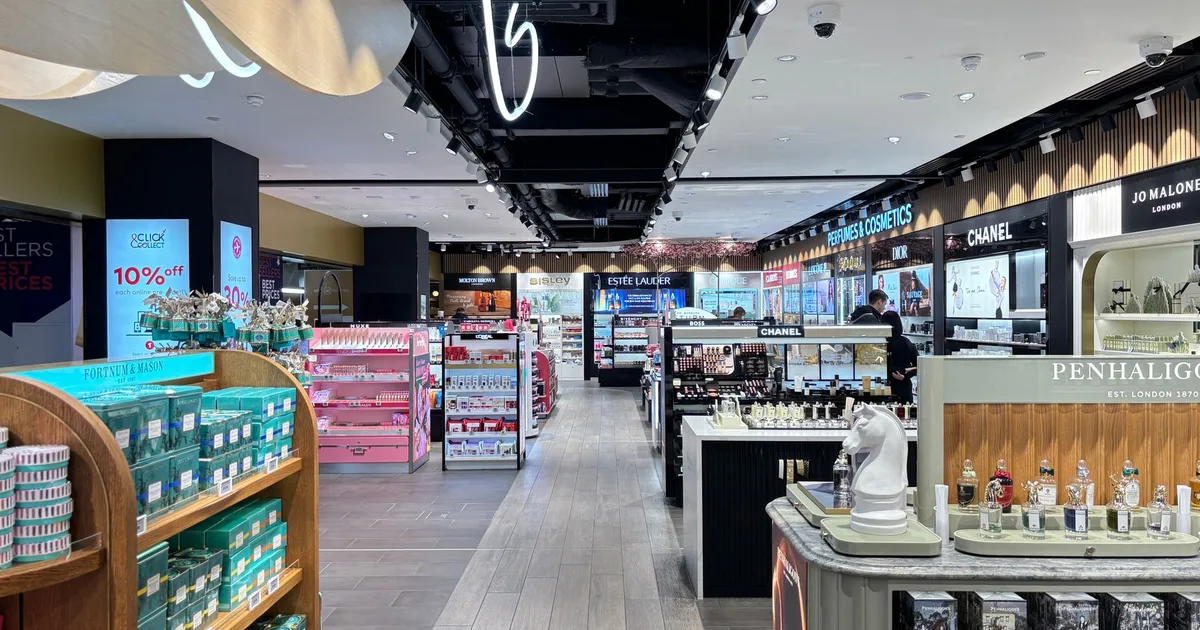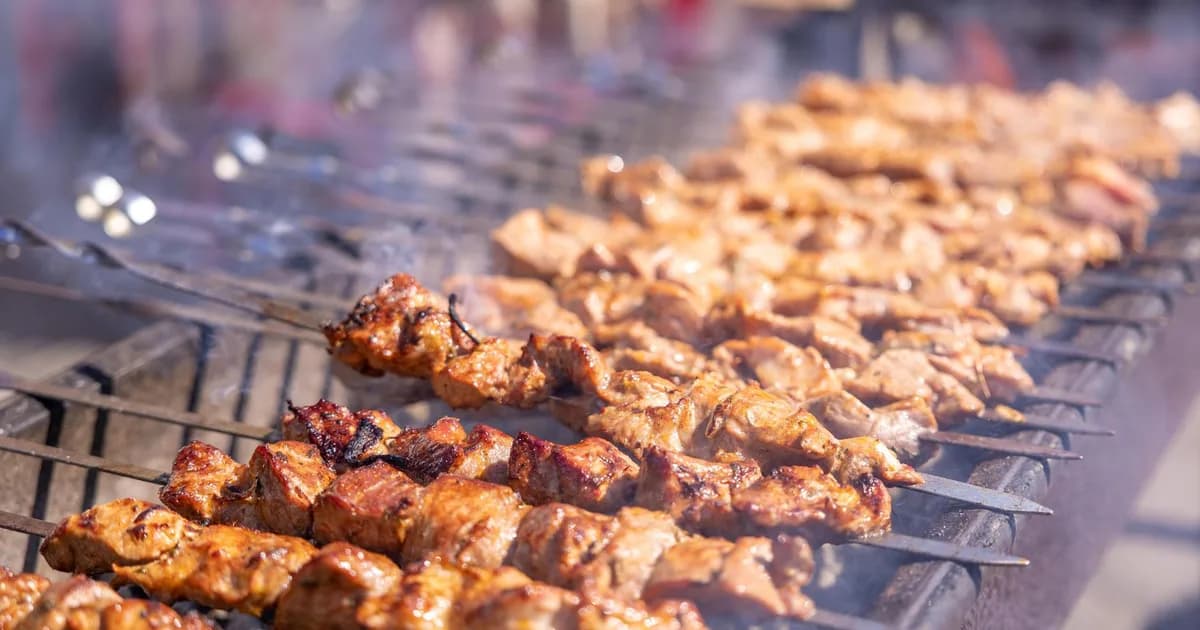
Few seasonal occasions cut across as many different store departments as grilling and barbecue season — meat and protein, condiments and marinades, charcoal or grilling fuel, disposable tableware, even light hardware like grill tools and accessories. A summer grilling and BBQ display built from just one of those categories misses the point of the occasion; the strongest version pulls genuinely cross-functional products together into one coordinated event.
Why this display needs cross-department coordination, not just one category team's effort
Because grilling season spans meat, grocery, hardware and general merchandise, building an effective display usually requires input and buy-in from more than one category team, rather than one department building it in isolation and hoping adjacent categories happen to line up. A display coordinated only by the condiments team, without involving meat or hardware, tends to feel incomplete compared with one planned as a genuine cross-category event.
Anchoring around the fresh protein decision
Most grilling trips start with a decision about what's going on the grill, which makes fresh meat and protein a natural anchor for the whole display concept, even if the physical display itself sits closer to grocery or hardware for practical reasons like refrigeration. Clear signage connecting the fresh protein section to the broader grilling display helps shoppers complete the full trip even when the physical products can't all sit in one single location.
Practical planning considerations for a cross-category display
- Coordinate timing across all contributing departments, since a display that's only half-assembled because one category wasn't ready on the planned build date looks incomplete rather than like a smaller, intentional display.
- Weather and regional climate drive the real sales window more than the calendar season does — checking your own store's historical sales timing matters more here than assuming a fixed national start and end date.
- Disposable tableware and paper goods often get overlooked in grilling displays despite being a near-universal add-on purchase for anyone hosting an outdoor gathering.
- Plan a realistic wind-down as the season fades, since demand tapers gradually rather than ending on a single fixed date the way a specific holiday does, which makes the exit timing a judgment call based on actual sales trend rather than a calendar rule.
A closely related question is summer travel essentials seasonal display, which tends to come up around the same time. This connects to valentine's day display planning — the two are usually worth planning together. Worth checking next: spring cleaning seasonal display, which covers a closely related part of the same decision.
FAQ
Which department should own planning the grilling and BBQ display?
It works best as a genuinely shared effort across meat, grocery and hardware or general merchandise, since the occasion spans all of them — a single department planning it alone tends to produce a narrower, less complete display.
How long does grilling season typically run?
Longer and less sharply defined than a single-date holiday — it typically spans much of the warmer months and fades gradually, which means the display's wind-down should track actual sales trend rather than a fixed calendar cutoff.
Should the display include charcoal and grilling fuel even if that's normally in a different part of the store?
Yes, where practical — pulling fuel into or near the main display, or at minimum signposting clearly where to find it, captures a purchase that's directly tied to the same occasion and easy to miss if a shopper has to search for it separately.