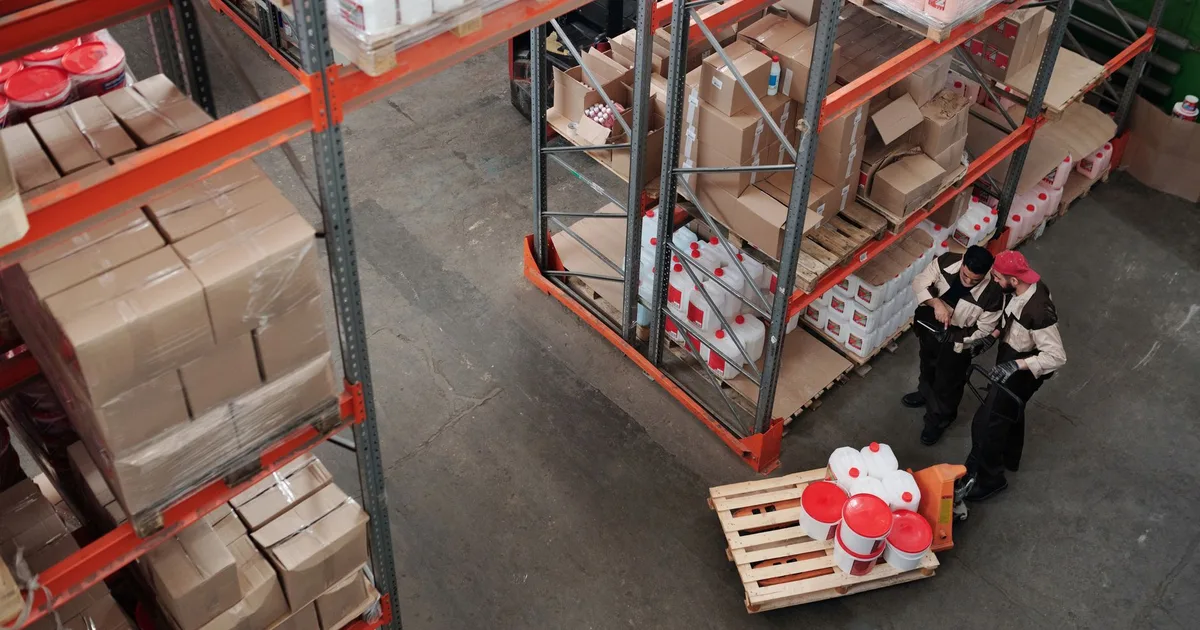
Staff filling gaps with wrong products is usually well meant: managers want shelves to look full, so an empty space gets the neighbouring product spread into it or stock from elsewhere. The result is worse than the gap. The out-of-stock disappears from view, reorders are not triggered, the planogram drifts and the next audit cannot tell what went wrong.
The rule is simple: a labelled gap stays a gap until its own product arrives. Getting staff to follow it takes more than the rule.
Why staff fill gaps
- "Full shelves" pressure. Managers or visitors criticise gaps, not misplaced products.
- No reorder route. Staff don't know how to report a missing item, so they solve it visually.
- Overflow stock. Excess of one product needs a home.
- No labels. Without labels, staff don't know a gap belongs to something specific.
The damage
- Hidden out-of-stocks. Nobody reorders an item nobody sees missing. Research summarised in Wikipedia's stockout article shows shoppers often buy elsewhere when an item is missing.
- Planogram drift. Facings change permanently; blocks break.
- Reset damage. Gaps that appear right after a reset get filled before anyone finds their cause; see shelf gaps after reset.
- Wrong data. Audits show odd facings, and sales analysis blames the layout.
Five ways to stop staff filling gaps with wrong products
- Change the standard. Make "labelled gap, reported" the correct behaviour and "filled gap" the error. Say it in team briefings.
- Make reporting easy. A gap list on paper or an app, collected at each shift and passed to ordering.
- Keep labels on every position, so each gap visibly belongs to a product.
- Fix the cause of gaps. Items that keep running out need more capacity or more frequent delivery; see reduce out of stocks.
- Give overflow a home. Backroom stock organised by aisle, not squeezed onto the shelf.
What a gap should look like
An empty position with its label in place, and if your retailer uses them, an "out of stock" tag. It tells the shopper the product normally exists and tells staff exactly what to reorder. Our planogram implementation guide for store staff includes this as a daily habit.
A visible gap is better than a hidden one
Staff filling gaps with wrong products trade a short-term look for long-term problems. Make labelled gaps the standard, give staff a simple reporting route and fix the reasons items run out, and shelves will stay on plan and fuller in the long run. Wikipedia's planogram entry explains why consistent positions matter.
FAQ
Should empty shelf spaces be filled with other products?
No. Leave the labelled space empty and report the missing item so it gets reordered.
Why do staff fill gaps on shelves?
To make shelves look full, often under pressure from managers, or because there is no easy way to report missing items.
How does gap filling affect sales?
It hides out-of-stocks, so items are not reordered and shoppers who wanted them buy elsewhere.
What is an out-of-stock tag?
A tag placed at an empty position showing the product is temporarily unavailable, keeping the space and label reserved.


