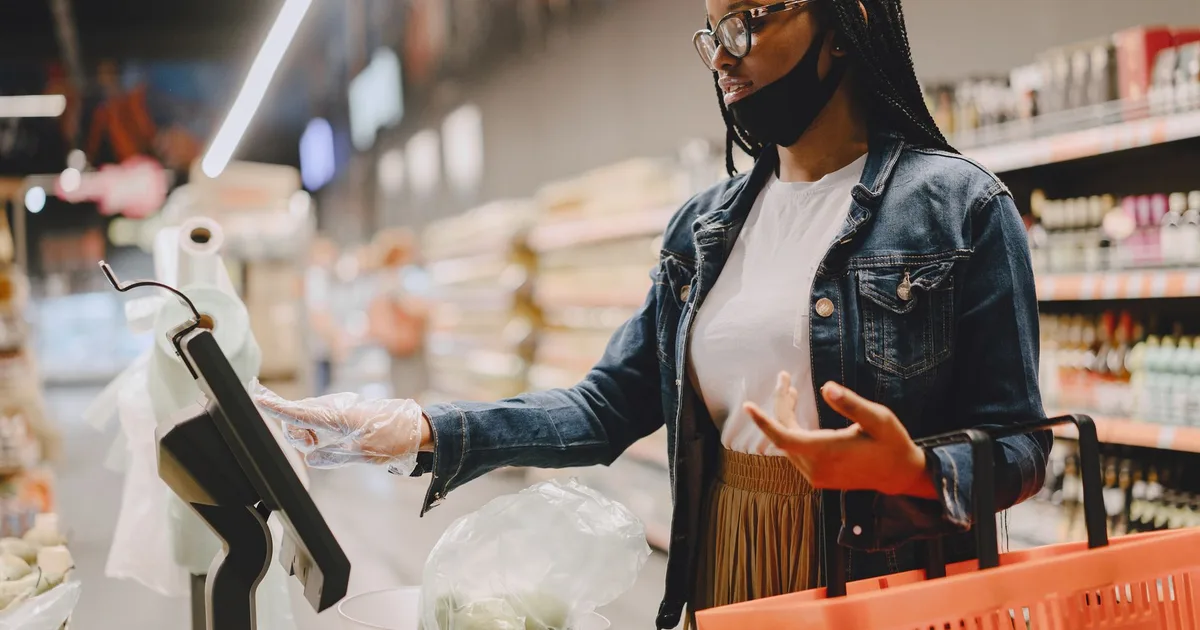
Checkout aisle impulse buys look spontaneous, but the psychology behind them is fairly predictable — a specific combination of waiting time, decision fatigue, and low financial commitment that makes this one of the most reliably effective merchandising zones in the entire store, almost regardless of what category occupies it.
The psychological mechanics at play
Waiting creates idle attention with nothing else to do. A shopper standing in a checkout line has already finished their main shopping task and has spare attention with no competing demand — a state of mind very different from actively navigating the main aisles with a list in hand.
Decision fatigue lowers resistance, not raises desire. By the time a shopper reaches checkout, they've made numerous small decisions throughout their trip. This fatigue doesn't make checkout items more appealing on their own merits — it lowers the shopper's resistance to a small, low-stakes additional decision they'd scrutinize more carefully earlier in the trip.
Low price point reduces the psychological weight of the decision. Checkout impulse items are almost universally low-cost relative to the overall basket — this keeps the decision below the threshold where a shopper feels the need to deliberate, compare, or justify the purchase the way they would for a bigger-ticket item.
Proximity to the point of transaction shortens the gap between desire and action. Unlike an item seen earlier in the store that a shopper might decide to "think about" and potentially forget, a checkout item can be added to the basket seconds before the transaction completes, with no opportunity for second-guessing to intervene.
Why this doesn't mean "anything sells at checkout"
The psychology favors low-commitment, easily understood, impulse-friendly items — not every category benefits equally from checkout placement. A product requiring real consideration or comparison undermines the very low-friction decision state that makes checkout merchandising effective in the first place; placing it there doesn't automatically transfer the checkout zone's conversion advantage to it.
Using this understanding deliberately
- Favor genuinely low-commitment, instantly understood items for checkout placement, rather than assuming any product benefits equally from the position.
- Keep the decision simple at checkout — minimal comparison required, clear and immediate value, nothing that invites the kind of deliberation the earlier shopping trip already created fatigue around.
- Rotate checkout offerings periodically to maintain novelty, since a static checkout display can lose its impulse-triggering effectiveness once shoppers become fully habituated to seeing the same items repeatedly.
- Don't overload the zone — too many competing options at checkout can reintroduce the comparison and decision effort the whole mechanism depends on avoiding.
Worth checking next: decompression zone, which covers a closely related part of the same decision. This is closely tied to pet care aisle planogram, and the two often need to be solved at the same time. If this is a recurring issue in your stores, automotive aftermarket shelf merchandising covers a closely related angle worth checking.
FAQ
Does checkout impulse merchandising work the same way in self-checkout versus staffed lanes?
The underlying psychological mechanics are similar, but self-checkout shoppers may have shorter or more variable wait times and different attention patterns, which can affect how much exposure checkout merchandising actually gets in that specific format.
Why do checkout items skew toward low price points specifically?
Low price keeps the purchase below the threshold where a shopper feels the need to deliberate — a higher-priced item at checkout would reintroduce the comparison and consideration effort the position is specifically designed to bypass.
Should checkout merchandising change with store traffic patterns?
It can be worth adjusting — a line with longer typical wait times offers more idle attention time than a fast-moving one, which can inform how much and what kind of merchandising a specific checkout zone can reasonably support.


