The benefits of planograms for small retailers are practical rather than theoretical: fewer empty spaces on best sellers, faster restocking, easier training for new staff, better conversations with suppliers and more sales from the same few metres of shelf. A small shop does not need complex software to get them; a simple written plan per fixture is enough.
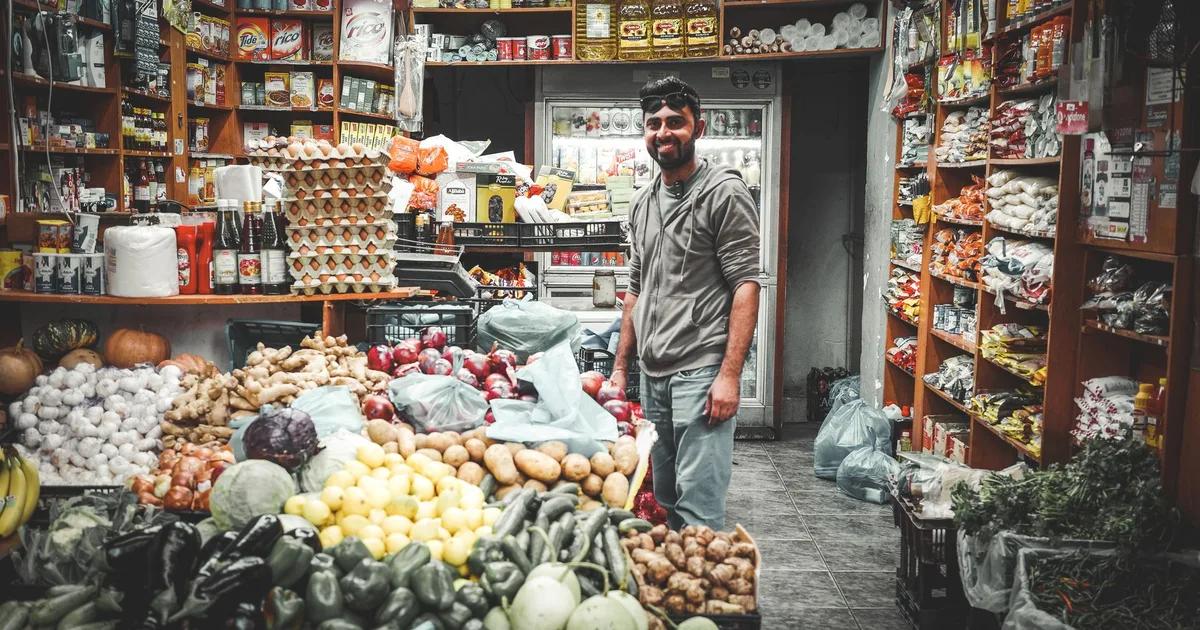
Big chains use planograms because they have hundreds of stores. Small retailers benefit for a different reason: every metre of shelf matters more when there are only a few.
1. Best sellers stop running out
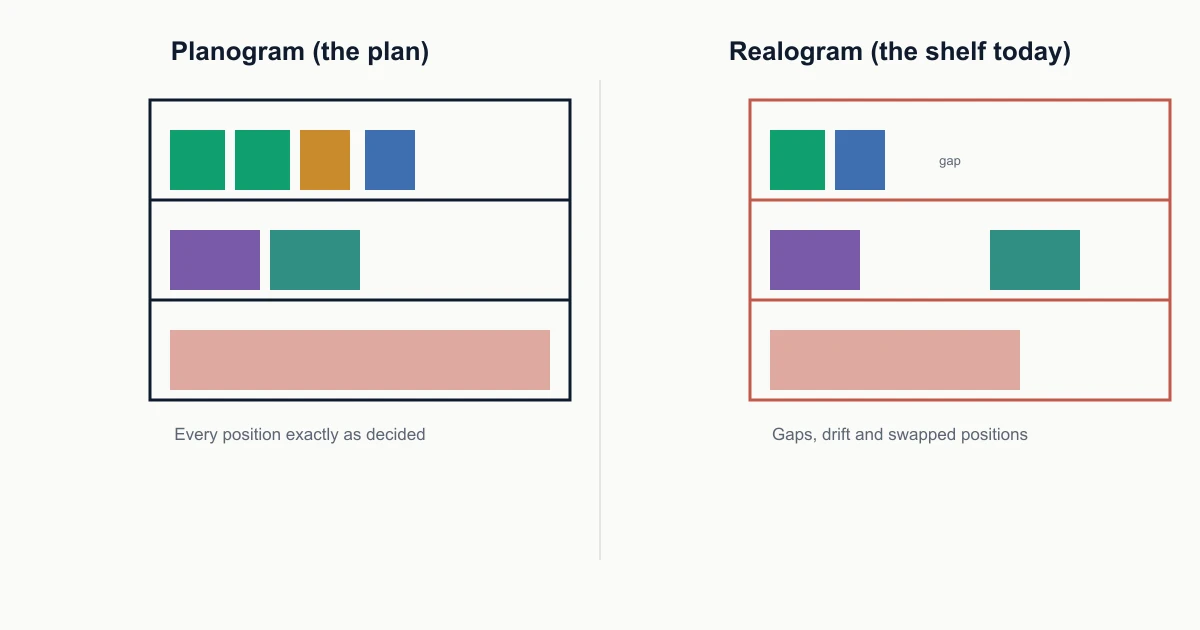
When a shelf is restocked by habit, popular items often get one facing and run out by afternoon. A planogram gives each best seller enough facings to hold a full case plus a day's sales. Gaps on fast sellers are lost sales that rarely come back; shoppers buy elsewhere or switch brand, as the out-of-stock research summarised in Wikipedia's stockout article shows.
2. Restocking gets faster
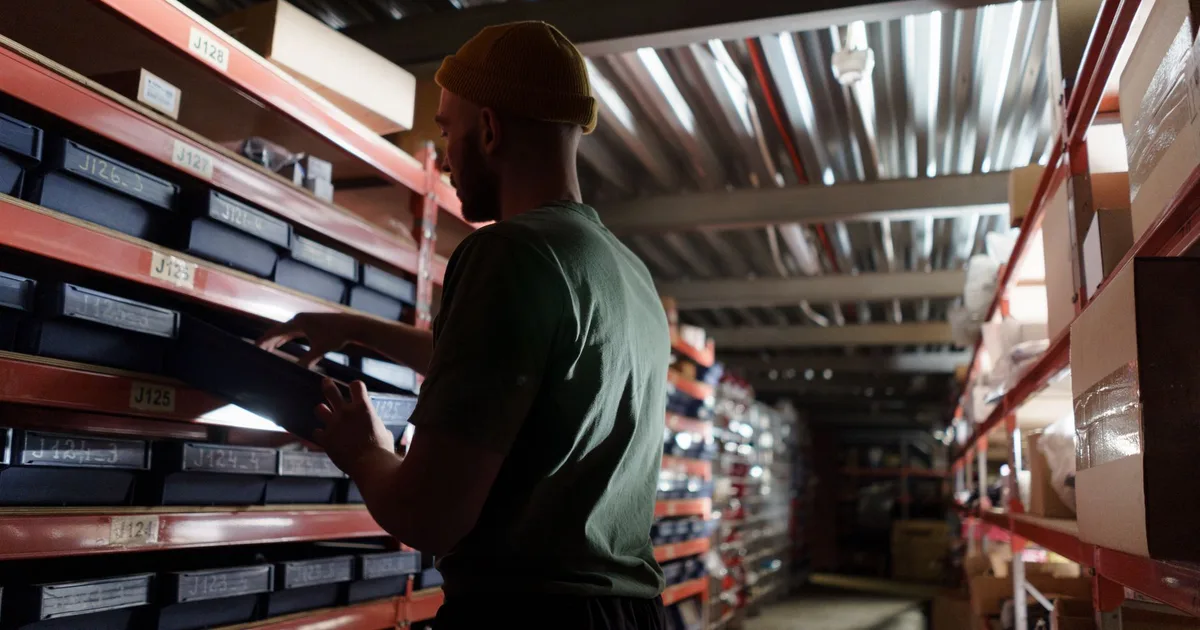
Staff who know exactly where each item goes refill shelves in less time and make fewer mistakes. Products from the backroom go straight to their labelled place instead of wherever there is space.
3. New staff learn the shop in days
A one-page plan per fixture is a training tool. A new employee can restock the drinks cooler correctly on day one without asking where everything goes.
4. Slow sellers become visible
Writing the plan forces a decision about every item. Products that barely sell become obvious, and their space can go to items customers ask for.
5. Suppliers become easier to negotiate with
When you know how much space each brand gets and how it sells, conversations with suppliers' reps change. You can ask for better terms in exchange for agreed space, or decline extra facings for products that do not move. For branded coolers, you can check whether the supplier's plan suits your customers; see beverage cooler planogram.
6. The shop looks organised
Consistent shelves look cared for. Customers find things faster and trust the store more, which matters when they can choose between several shops on the same street.
7. Changes become deliberate
With a written plan, you can make one change, such as moving a product to eye level, and see what happens. Without one, the shelf changes constantly and nobody knows why sales moved.
The benefits of planograms for small retailers cost little to get
Very little:
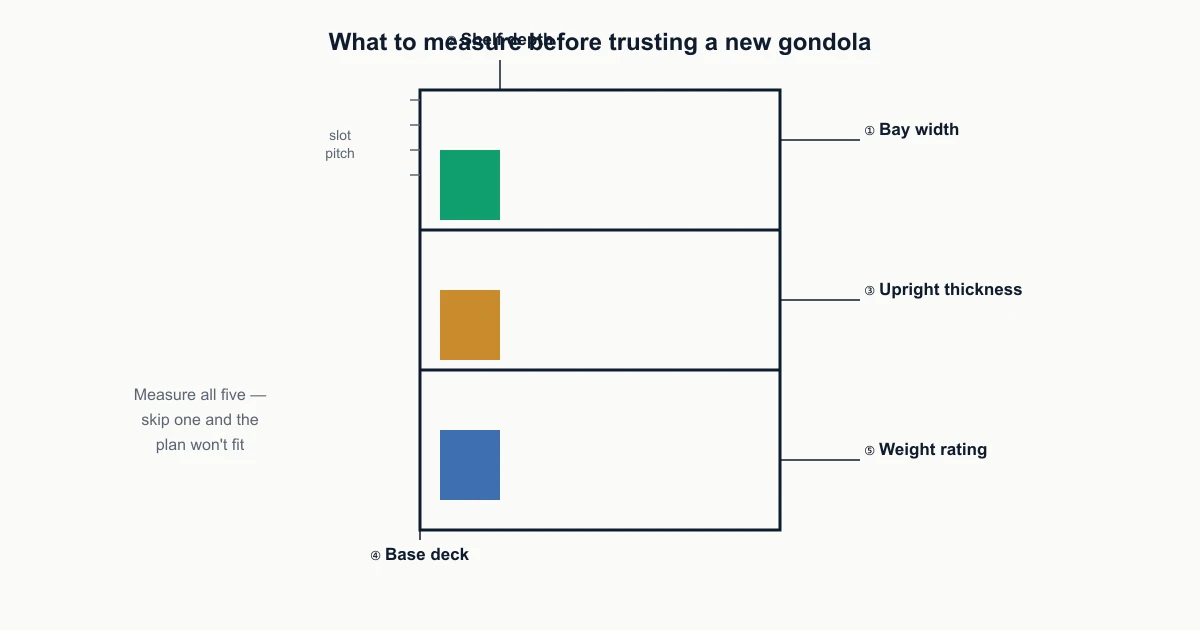
- a tape measure and an hour per fixture
- a list of your best sellers from sales or supplier invoices
- a simple table or sketch per shelf (here is how to draw a planogram by hand), or a free tool
Our guide on how to create a planogram for a small store walks through the steps.
Where small retailers see the benefits of planograms first
The benefits of planograms for small retailers show up first on the busiest fixtures: the drinks cooler, the snack shelf and the counter display. Start there, write one page per fixture, review monthly, and the shop gets easier to run as well as better to shop in. Wikipedia's planogram entry offers more background if you want it.
FAQ
Are planograms worth it for small shops?
Yes, in a simple form. A short written plan per fixture costs little and reduces gaps, restocking time and mistakes.
Do I need planogram software for a small store?
No. A measured sketch or table works. Software helps when you have many fixtures, frequent changes or want drawings to scale.
How long does it take to plan a small store?
One fixture can be planned in an hour or two. Start with your busiest fixture and add others over a few weeks.
Which fixture should a small retailer plan first?
The one that sells the most, often the drinks cooler, the snack shelf or the counter display.