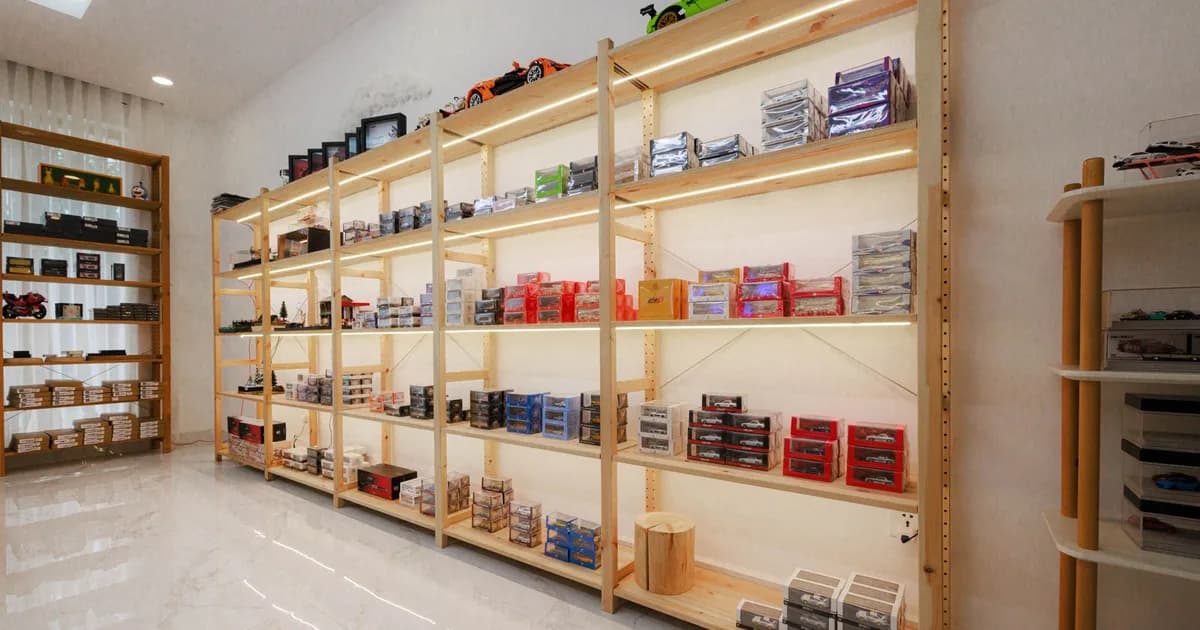
An LED shelf lighting conversion is usually justified on energy savings and maintenance cost alone, which is a reasonable business case on its own. What often gets less attention is that changing light source can genuinely change how products on the shelf look to a shopper — color temperature and rendering differ between lighting types in ways that affect perceived product quality.
What actually changes with the light source, not just the fixture
Color temperature shifts how packaging and product colors read. Different light sources render color differently — a product's packaging designed and color-matched under one lighting type can look noticeably different under another, sometimes enough to change how fresh, appealing, or accurate the product appears.
Color rendering affects categories where product appearance signals quality. Produce, meat, and other categories where visual freshness cues matter are more sensitive to lighting changes than packaged dry goods, where the product itself isn't directly visible and only the packaging's printed colors are affected.
Light distribution and shadowing can differ between fixture types. LED fixtures often have different beam patterns and mounting options than the lighting they replace, which can change where shadows fall on a shelf and how evenly a facing run is lit end to end.
Shelf-level brightness consistency across a reset fixture matters for a uniform shopping experience. An inconsistent lighting upgrade — some sections converted, others not — can create a visibly uneven experience across a store or even within a single aisle until the conversion is complete.
Why this deserves planning attention, not just an electrical decision
Treating an LED conversion as purely a facilities or energy-efficiency project risks missing a real merchandising consideration: if the new lighting changes how key categories actually look, that's worth testing and adjusting for before a full rollout, not discovering after shoppers (or category managers reviewing sales data) notice a shift.
Planning the conversion with merchandising in mind
- Test the new lighting in a representative section before full rollout, specifically checking color-sensitive categories like produce, meat, and bright packaging.
- Compare color temperature and rendering specs against the previous lighting, not just energy efficiency, when selecting an LED product.
- Prioritize consistency during a phased rollout, minimizing how long a store operates with visibly inconsistent lighting between converted and unconverted sections.
- Loop in category managers for color-sensitive categories, not just facilities teams, when planning the conversion timeline and testing process.
See shelf lighting that distorts product appearance for a related breakdown that often comes up alongside this. This pairs naturally with converting a shelf planogram to a pallet layout, which tackles a closely related piece of the same problem. This overlaps with wine and spirits shelf planogram, which is worth checking if that's also part of your situation.
FAQ
Does LED lighting always render colors differently than older lighting types?
Not necessarily to a problematic degree — many modern LED products are designed with good color rendering, but specifications vary by product, which is why testing against your specific previous lighting is more reliable than assuming all LED lighting behaves identically.
Which categories are most sensitive to a lighting change?
Categories where visual appearance signals freshness or quality — produce, meat, bakery — tend to be more sensitive than packaged dry goods, where only printed packaging colors are affected rather than the product's own visible appearance.
Is it worth delaying energy savings to test lighting changes carefully first?
For stores with meaningful color-sensitive category sales, a short, deliberate testing period before full rollout is generally a reasonable trade-off against the risk of an unplanned shift in how key categories present to shoppers.


