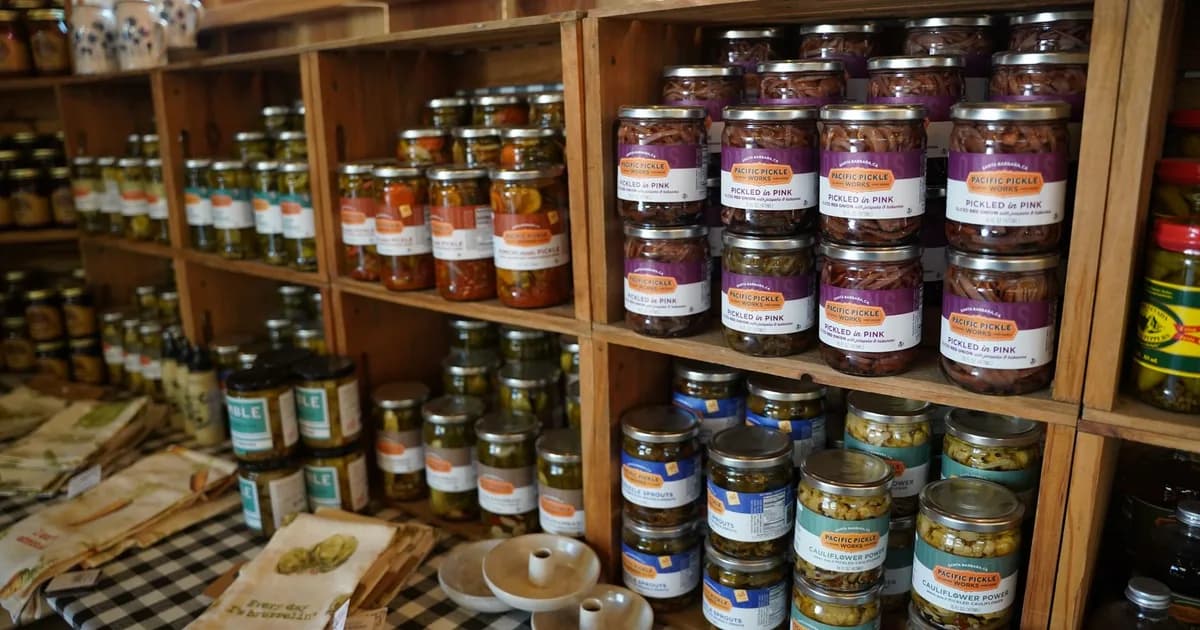
Shelf lighting that distorts product appearance isn't just a cosmetic concern — it can quietly shape purchase decisions and create a trust gap between what a shopper saw on the shelf and what they actually find when they get the product home or out from under store lighting.
How lighting distortion actually happens
Color temperature shifts how colors are perceived. Warmer or cooler light sources shift the apparent hue of both packaging and visible product — a color that reads as vibrant and fresh under one light source can look dull or slightly off under another, even though nothing about the product itself changed.
Low color-rendering accuracy flattens color distinction. Some lighting technologies render colors less accurately than others, making subtly different shades look more similar than they really are — relevant for categories where a shopper is distinguishing between similar-looking variants by color alone.
Produce and meat are especially exposed to this issue. Because these categories rely on the product's own visible appearance — not just packaging — to signal freshness, lighting distortion here directly affects a shopper's purchase decision in a way it doesn't for sealed packaged goods.
The distortion is often invisible to the people managing the store. Staff and managers see the same lighting every day and adjust to it, which means a genuine color distortion problem can persist unnoticed internally long after it's affecting how shoppers perceive the product.
Why this creates a trust problem, not just a sales one
When a product looks notably different once it's away from store lighting — a piece of produce that looked fresher in-store, a packaging color that reads differently in daylight — a shopper can feel misled, even though no one did anything deliberately deceptive. This erodes trust in a way that's harder to fix than a simple sales dip, since it's about the shopper's confidence in what they're buying, not just whether they bought it.
Checking for and correcting lighting distortion
- Compare how key products look under store lighting versus neutral daylight or a color-accurate reference, rather than relying on how familiar the current lighting feels to staff.
- Pay particular attention to color-sensitive, appearance-driven categories — produce, meat, bakery, and any packaging where color is a meaningful part of the buying decision.
- Test any lighting change (including an LED conversion) specifically for color accuracy, not just overall brightness or energy efficiency.
- Get an outside or fresh perspective periodically, since staff who see the same lighting daily are the least likely to notice gradual distortion or degradation.
This overlaps with LED shelf lighting conversion, which is worth checking if that's also part of your situation. A closely related question is store inventory accuracy, which tends to come up around the same time. This connects to color blocking as a merchandising technique — the two are usually worth planning together.
FAQ
How can a store check whether its lighting is distorting color accurately?
Comparing key products under store lighting against a neutral reference light or natural daylight is a practical starting check — lighting professionals can also measure color rendering more precisely if the issue is suspected to be significant.
Does this only matter for fresh categories like produce and meat?
It matters most there, but any category where package color is part of the purchase decision — distinguishing similar-looking variants, for example — can be affected by meaningful lighting distortion, even if the effect is less dramatic than with fresh product.
Should lighting be checked every time a planogram changes?
Not necessarily every reset, but it's worth checking after any lighting fixture change, and periodically as lighting ages, since light output and color rendering can shift gradually over a fixture's lifespan.


