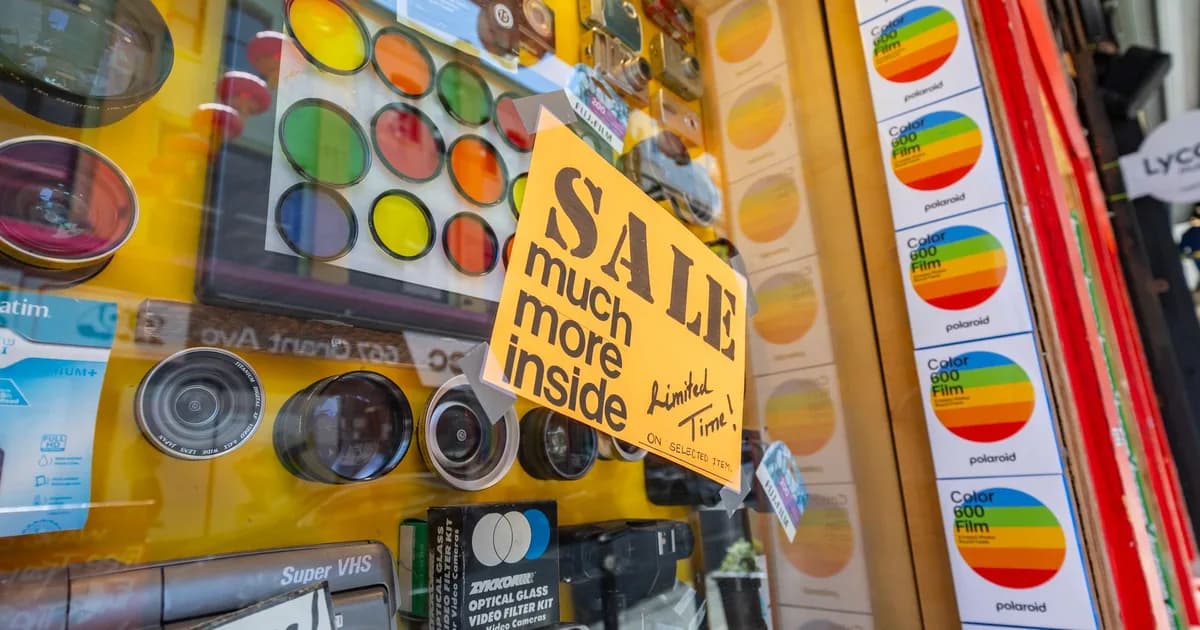
Limited-time offers move fast by design — a short seasonal flavor, a promotional tie-in, a trial-size version of an existing product — and waiting for the next scheduled category reset to give them space usually means the opportunity window has already closed by the time the shelf catches up. Planning limited-time offer shelf space as a reusable pocket within the permanent layout, rather than something that requires disrupting the whole plan each time, keeps the category responsive without constant rebuilding.
Treating flex space as a permanent feature, not an exception
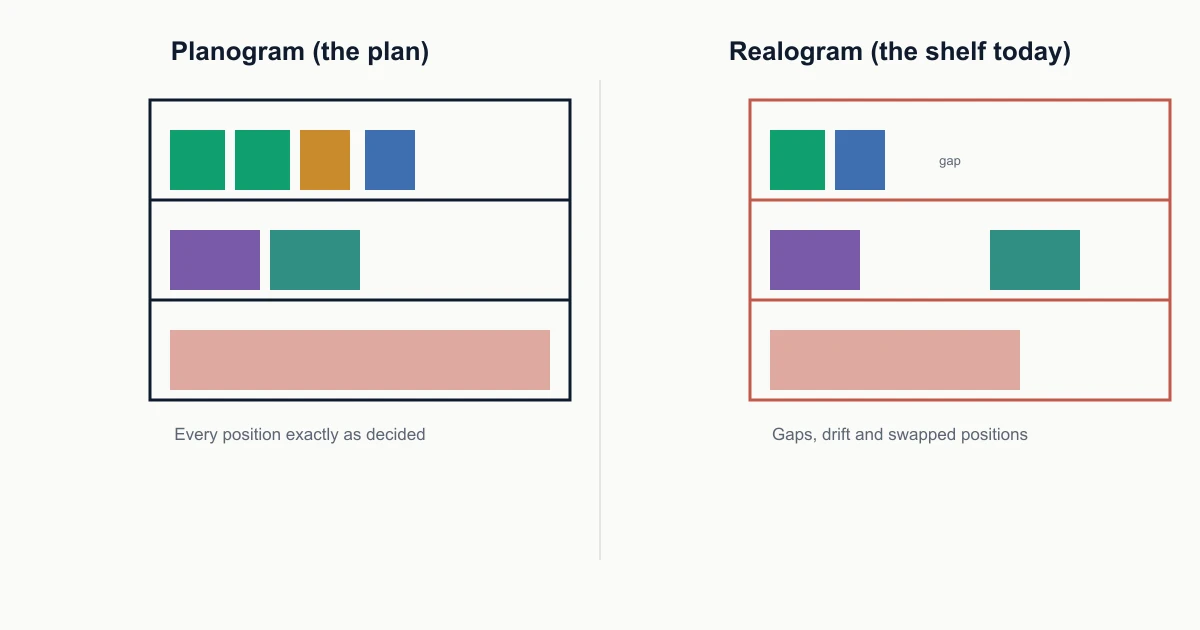
The practical fix is building a small, clearly bounded flex zone into the core planogram from the start — a few facings explicitly reserved for whatever limited-time product is currently active, rather than repeatedly displacing a permanent SKU's facings every time something new launches. The flex zone's contents change constantly; its position and size on the fixture stay stable, which is what keeps it from requiring a full reset each time.
Sizing the flex zone without starving the core range
Too small, and the flex zone can't meaningfully showcase a limited-time product — it looks like an afterthought squeezed into leftover space. Too large, and it chips away at facings the permanent, proven range actually needs to sell at its established velocity. Most categories find a workable size by looking at how often LTO activity actually happens and how much space a typical LTO product needs to look intentional rather than crammed in.
Making the rotation itself low-friction
- Standardize the physical fixture elements in the flex zone (shelf strip, sign holder, facing width) so a new LTO product can drop in without needing custom fixture adjustments each time.
- Set a clear exit rule for outgoing LTO product — what happens to unsold stock when a limited-time offer ends matters as much as how it was introduced, and a vague "we'll figure it out" plan tends to leave stale LTO stock lingering past its relevance.
- Keep a simple log of what's occupied the flex zone and how it performed, since this space often becomes the best low-risk proving ground for whether a limited-time product deserves a permanent facing at the next full reset.
- Communicate the flex zone's existence clearly to reset and merchandising teams, so it isn't mistaken for a mistake or an unplanned gap by someone unfamiliar with the ongoing rotation.
If this is a recurring issue in your stores, cash-and-carry wholesale covers a closely related angle worth checking. See hard discounter planogram for a related breakdown that often comes up alongside this. This pairs naturally with store layout types and planograms, which tackles a closely related piece of the same problem.
FAQ
How much shelf space should a flex zone for limited-time offers take up?
Enough to look intentional and give the product a fair chance to be noticed, without meaningfully cutting into the core range's established facings — the right size depends on how frequently your category runs limited-time offers.
What happens to unsold limited-time stock when the offer ends?
That should be decided before the product launches, not improvised afterward — common approaches include a planned markdown window or shifting remaining stock to a clearance section, but either way it shouldn't be left to linger in the flex zone past its relevance.
Can a flex zone help decide which limited-time products deserve permanent facings?
Yes — tracking performance of whatever occupies the flex zone over time gives a low-risk, low-commitment way to test demand before expanding a successful item into a full, permanent planogram position.