A cash-and-carry wholesale store sells primarily to business buyers — restaurant owners, small shop operators, caterers — restocking their own businesses rather than a household doing a weekly grocery run. Shelf merchandising for cash-and-carry wholesale stores has to account for that fundamentally different shopper: someone buying in bulk, on a tighter time budget, often working from a recurring list, and far less swayed by the kind of impulse-driven display tactics that work on household shoppers.
Why impulse merchandising mostly doesn't apply here
A business buyer restocking their own shop or kitchen is executing a largely predetermined purchase plan, not browsing for inspiration. Secondary displays, impulse end-caps and the checkout-adjacent small-item tactics that work well on household shoppers generally underperform in this format, because the shopper isn't in the same decision-making mode. Layout effort is better spent on fast, efficient navigation to planned purchases than on capturing unplanned ones.
Case and pallet quantities are the default unit, not the exception
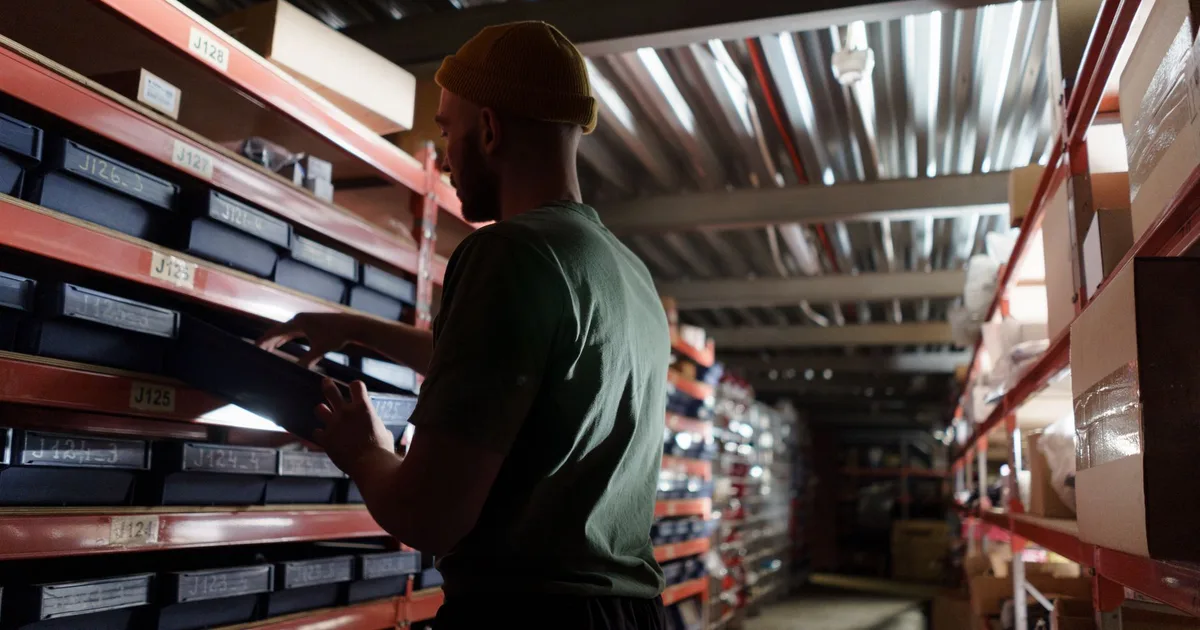
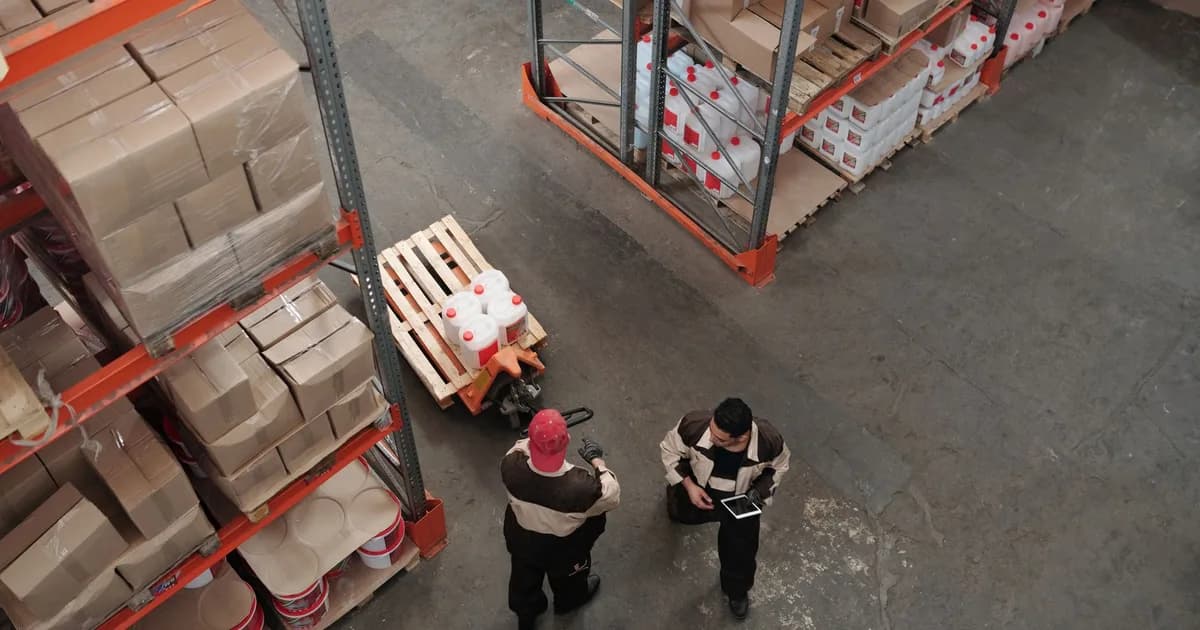
Where a standard grocery store occasionally deals with bulk or club-pack formats as a specific sub-category, a cash-and-carry store treats case and pallet-level quantities as the normal unit of sale across most of the range. This changes fixture choice fundamentally — heavy-duty pallet racking and case-ready shelving dominate, rather than the standard single-unit facing shelving that makes up most of a conventional supermarket.
Planning priorities specific to this format
- Fast, predictable navigation matters more than visual merchandising polish, since the shopper's goal is efficient restocking, not an enjoyable browsing experience — clear, logical category signage and consistent layout logic earn more than an attractive display would.
- Account for the physical realities of moving bulk purchases — wide aisles for pallet trucks and trolleys, loading-friendly checkout and exit routes, and fixture spacing that accommodates bulkier carts than a standard shopping trolley.
- Category adjacency should reflect how a business buyer actually shops, which may group differently than household adjacency logic — a restaurant buyer's typical basket looks different from a convenience store owner's, and layout should reflect the dominant buyer type for that specific location.
- Membership or account-based access common to this format can support more targeted layout decisions based on known buyer segments, something a general-access retail store can't do as precisely.
This pairs naturally with dollar store planogram, which tackles a closely related piece of the same problem. This overlaps with store layout types and planograms, which is worth checking if that's also part of your situation. A closely related question is hard discounter planogram, which tends to come up around the same time.
FAQ
Does cash-and-carry merchandising need any impulse-driven elements at all?
A modest amount can still work, particularly for small, genuinely useful add-ons a business buyer might not have specifically planned to buy, but it's a much smaller part of the overall strategy than in household-facing retail.
How does fixture choice differ from a standard supermarket?
Cash-and-carry stores lean much more heavily on pallet racking and case-ready shelving built for bulk quantities, since that's the default unit of sale across most of the range, rather than standard single-unit shelving.
Should layout vary by the dominant type of business buyer a specific store serves?
Where a store's buyer base skews heavily toward one type of business — restaurants versus small retail shops, for example — adjusting category adjacency and range emphasis to match that dominant buyer's typical needs tends to outperform a generic, one-size-fits-all layout.