Most planogram thinking assumes category comes first and price is something shoppers compare within a category once they've found it. A dollar store planogram often inverts that: price point itself is a primary organizing signal, because the format's whole value proposition is built around price predictability, and a meaningful share of shoppers are specifically browsing a price tier rather than hunting for one product.
When price blocking helps and when it fights the category
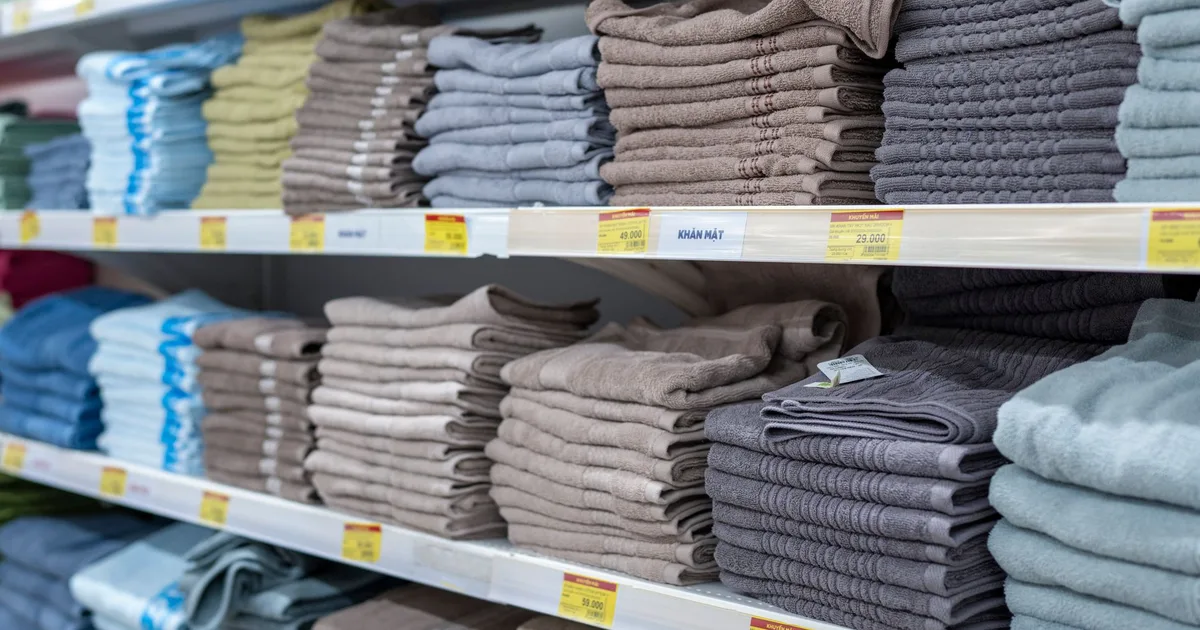
Fixed or tiered price formats (everything at one price, or a small number of clear price tiers) benefit from price-based signage and zoning that reassures shoppers they're still in the right tier as they browse. But pure price blocking, taken too far, can scatter a single category across multiple price zones and make it harder to compare similar products against each other. The better-performing layouts usually keep category grouping as the primary structure and use price-tier signage as a secondary, reassuring layer within it, rather than letting price fully override category logic.
Fixture flexibility matters more in this format
Dollar and value stores typically carry an unusually wide range of product types — food, household goods, seasonal items, small toys, stationery — often in a smaller overall footprint than a full supermarket. That mix rewards flexible, easily reconfigurable fixtures over rigid, category-specific shelving, since the product mix itself may shift meaningfully between resets as sourcing and deals change.
What's genuinely different about planning this format
- SKU turnover tends to be higher and less predictable than in a standard grocery or general merchandise store, since inventory is often opportunistic or deal-driven — a planogram built to be rigid and long-lived fits this format poorly compared with one built to flex.
- Seasonal and closeout merchandise is a larger, more central part of the business, not a side category, so the layout needs a genuinely substantial, well-signed seasonal zone rather than a token end-cap.
- Basket size tends to be smaller per trip but trip frequency can be higher, which rewards fast, easy navigation and clear price signage over the kind of deep category browsing a full assortment supermarket supports.
- Space is often tighter per square foot of selling area, so facing efficiency and avoiding wasted depth matter more here than in a format with more room to spare.
A closely related question is cash-and-carry wholesale, which tends to come up around the same time. This connects to hard discounter planogram — the two are usually worth planning together. Worth checking next: localizing planograms by store demographics, which covers a closely related part of the same decision.
FAQ
Does a dollar store planogram need to follow standard category adjacency rules?
The core logic still applies — related items still benefit from being near each other — but it's applied more loosely given the format's broader, more opportunistic product mix and smaller overall footprint.
How often does a dollar store reset compared with a standard grocery store?
Often more frequently for at least part of the floor, since deal-driven and closeout inventory genuinely changes faster than a standard grocery assortment, even if core staple categories stay relatively stable.
Should price-tier signage dominate over category signage?
Category signage should usually stay primary for findability, with price-tier cues layered in as reassurance — a shopper still needs to find "cleaning supplies" before they care exactly which price-tier shelf they're standing in front of.