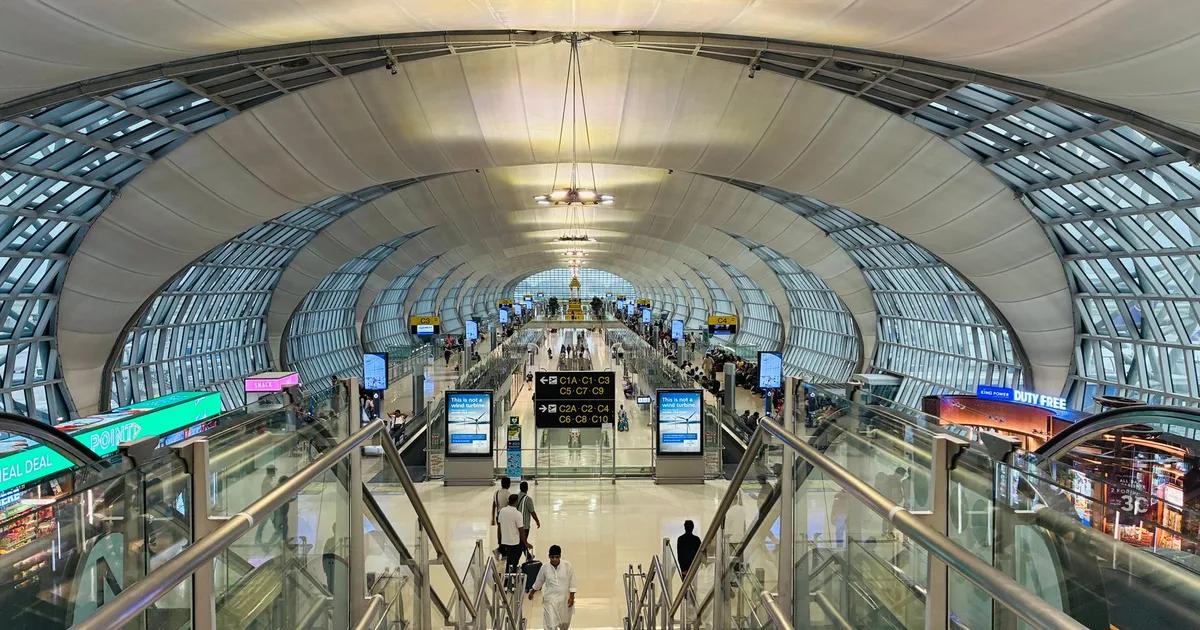
Airport and travel retail merchandising operates under constraints a standard store planogram never has to account for — security regulations on liquids and sharp objects, a shopper whose available time is dictated by a flight schedule rather than their own pace, and often a duty-free pricing and eligibility logic layered on top of normal merchandising decisions.
What makes this environment distinct
Security regulations directly restrict what can be sold and how. Liquid volume limits, restrictions on certain sharp or hazardous items, and packaging requirements tied to security screening rules shape assortment decisions in ways a standard store never has to consider — a product perfectly fine in regular retail can be entirely inappropriate for airside sale.
Shopper dwell time is externally fixed, not store-driven. A shopper's available browsing time is set by their flight schedule and security and boarding process, not by how appealing the store is — layouts have to work within an often-compressed window a shopper didn't choose and can't extend.
Duty-free eligibility adds a transaction-level complexity most retail doesn't have. Pricing, eligibility, and sometimes product availability can depend on destination and passenger status, which affects how pricing and promotional signage needs to communicate clearly without creating confusion at the point of sale.
The shopper base is unusually mixed in familiarity and purpose. Business travelers making a quick, familiar purchase share the same space with leisure travelers browsing for gifts or souvenirs with more time and different intent — a single layout logic has to accommodate both without favoring one at the expense of the other.
Working within travel retail's constraints
- Build assortment decisions around current security regulations first, treating them as a hard constraint rather than a detail to check after the merchandising plan is otherwise complete.
- Design for fast, confident navigation given compressed and variable dwell time — clear signage and logical sequencing matter even more here than in standard retail, since a confused shopper may simply run out of time.
- Make duty-free pricing and eligibility clear at the shelf, not just at checkout, to avoid a confusing or disappointing moment late in the shopping process.
- Consider separate zones or cues for quick-purchase versus browsing shoppers, acknowledging the mixed shopper base rather than assuming one dominant shopping style.
A closely related question is convenience store vs supermarket planogram, which tends to come up around the same time. This connects to club store planograms — the two are usually worth planning together. Worth checking next: decompression zone, which covers a closely related part of the same decision.
FAQ
Do security restrictions on liquids apply the same way in every airport?
Regulations can vary by region and by whether a flight is domestic or international, which is why travel retail assortment planning needs to account for the specific regulatory environment of each location rather than assuming a single universal standard.
How much browsing time does the typical airport shopper actually have?
This varies enormously by individual circumstance (time before boarding, security line length, personal habits), which is part of why travel retail layouts generally favor fast, clear navigation over layouts that assume leisurely browsing.
Is travel retail merchandising mostly driven by impulse or planned purchases?
It's a mix, but impulse and gift-driven purchasing tends to play a larger relative role than in standard grocery or general retail, given the dwell-time pressure and the specific traveler mindset around souvenirs and last-minute purchases.


