Blog
The ShelfPlot blog — page 11
Shelf Optimization
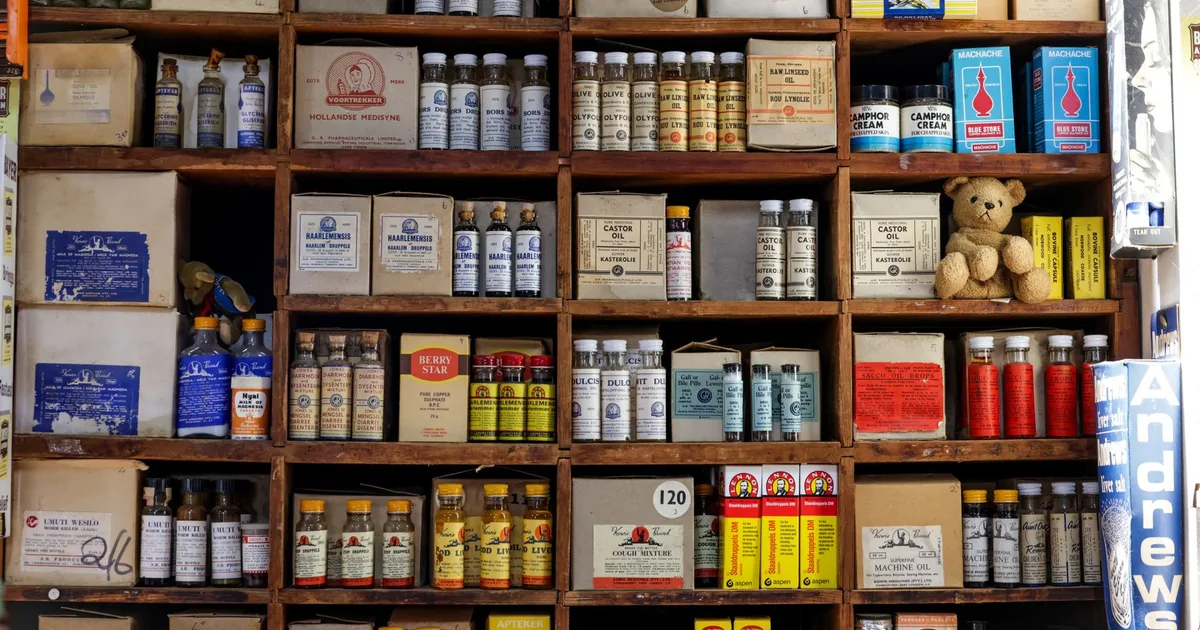
Long Tail Products Shelf Space: How Much Room Should the Tail Get?
Long tail products shelf space: the many low-selling SKUs that take a big share of the shelf. How to size the tail, keep unique items and free space.
Shelf Optimization
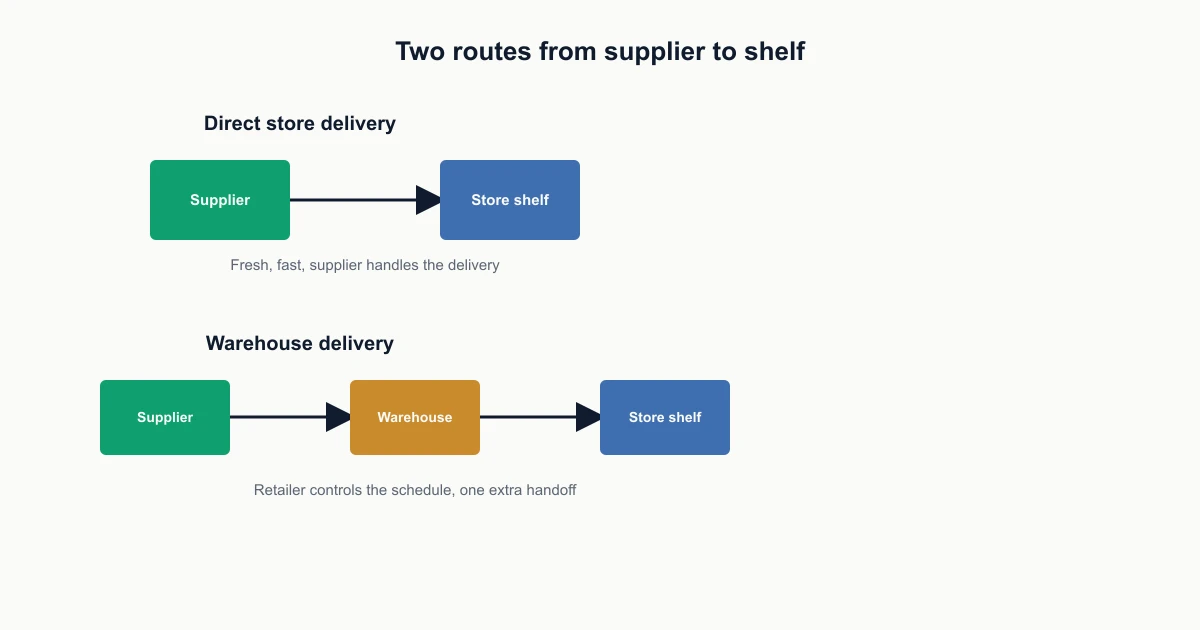
Direct Store Delivery vs Warehouse Delivery: What Each Means for the Shelf
Direct store delivery vs warehouse delivery: who delivers, who merchandises, how often and what it means for shelf capacity, availability and planograms.

Shelf Optimization
How to Forecast Demand per Store for Better Shelves and Orders
How to forecast demand per store: clean sales history, baseline by item and store, adjust for seasonality, promotions and events, then check accuracy.
Shelf Optimization
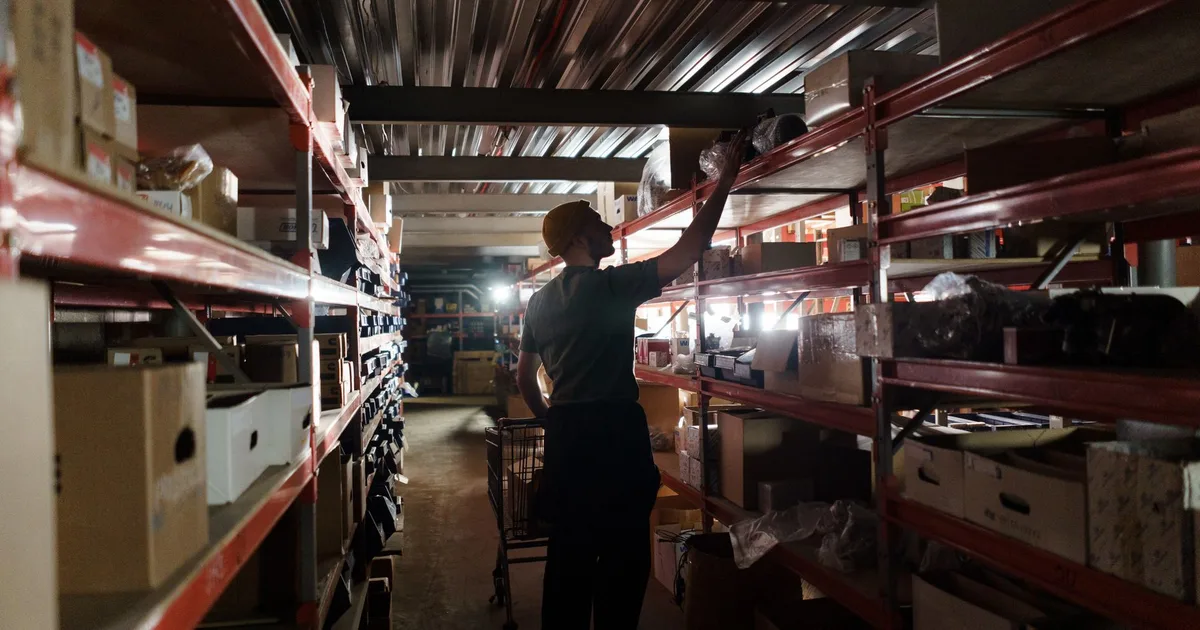
How to Make Room for a New SKU: The Numbers Behind Freeing Space
How to make room for a new SKU using numbers: find spare days of supply, low sales per foot and duplicate items, then free exactly the width you need.
FMCG Merchandising
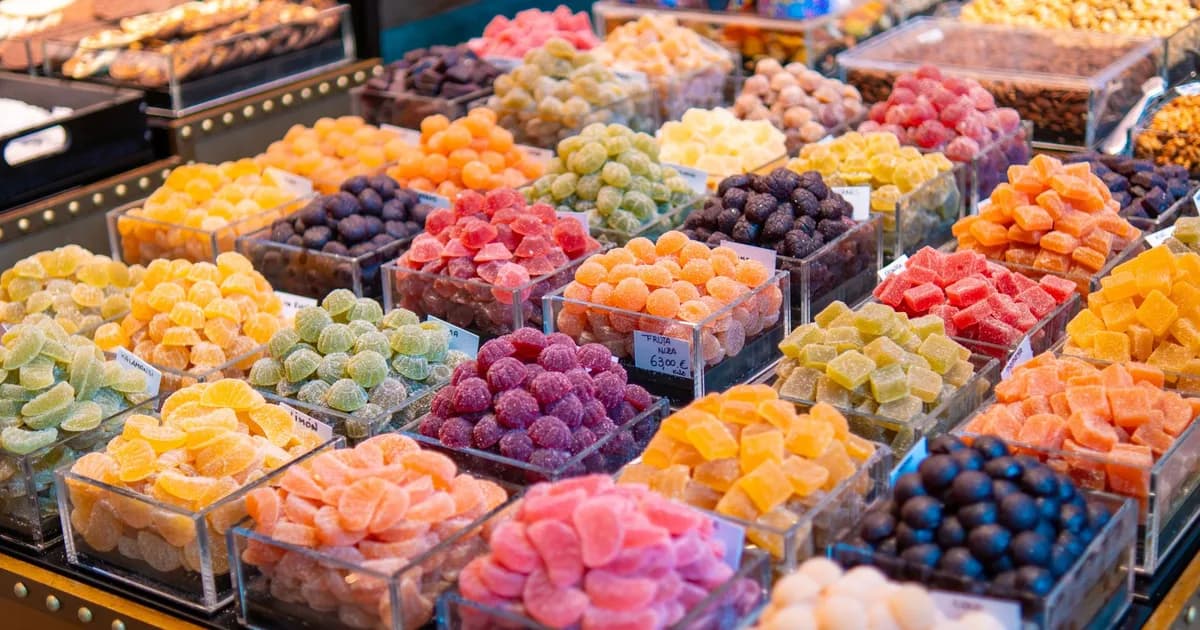
Candy Aisle Planogram: The Main Bay, Not the Checkout Strip
A candy aisle planogram for the main bay works differently than a checkout hanger. Here's how to block chocolate, gummies and bagged candy properly.

Shelf Optimization
How to Delist Products: From Decision to Empty Shelf Space, Done Properly
How to delist products: confirm the decision with data, notify suppliers, stop orders, plan sell-down, update planograms and re-flow space on one date.

FMCG Merchandising
Light Bulb and Electrical Aisle Planogram: Specs Before Facings
A light bulb and electrical aisle planogram depends on shoppers matching a spec, not browsing. Here's how to lay out bulbs, plugs and small electrical goods.
Shelf Optimization
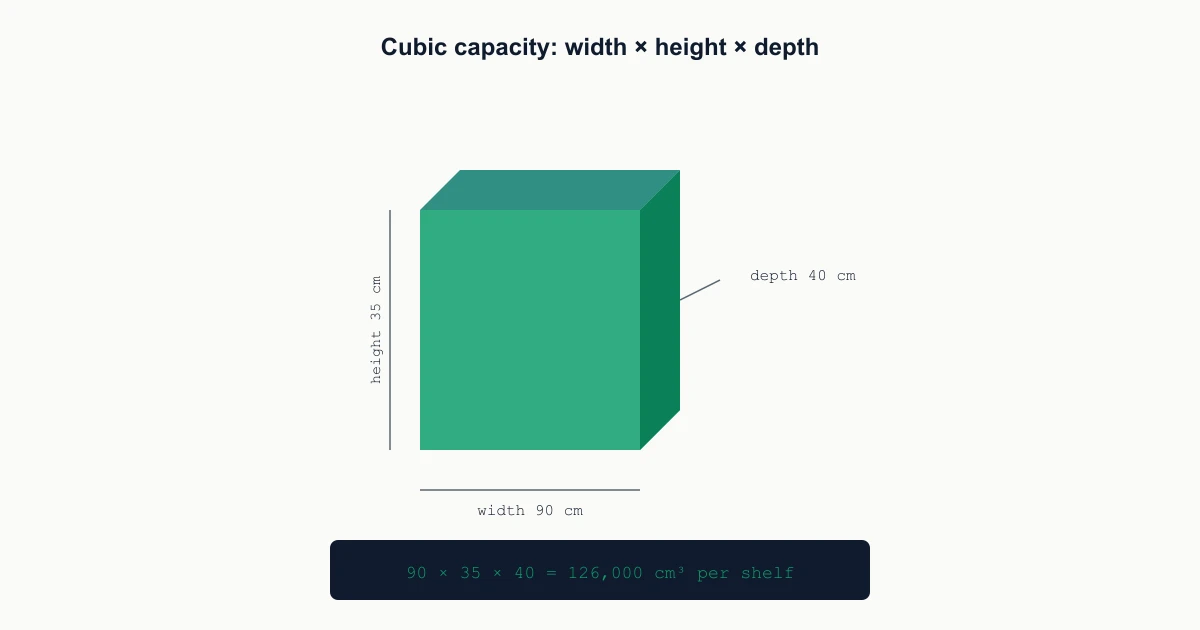
How to Calculate Cubic Capacity of a Shelf (Litres and Cubic Feet)
How to calculate cubic capacity of a shelf: width × depth × clearance, in litres or cubic feet. Worked example, usable volume and when units matter more.
Shelf Optimization
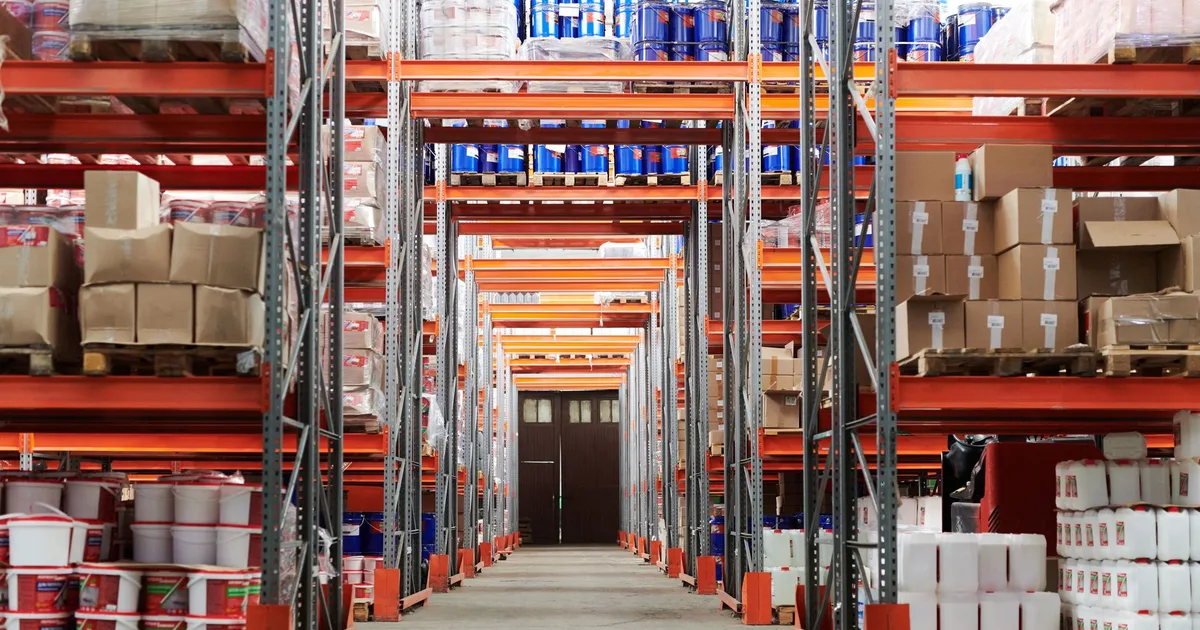
How to Calculate Safety Stock for Shelves (Simple and Statistical Methods)
How to calculate safety stock for shelves: a simple days-of-cover method and the z × σ × √lead time formula, with worked examples and planogram tips.
Shelf Optimization
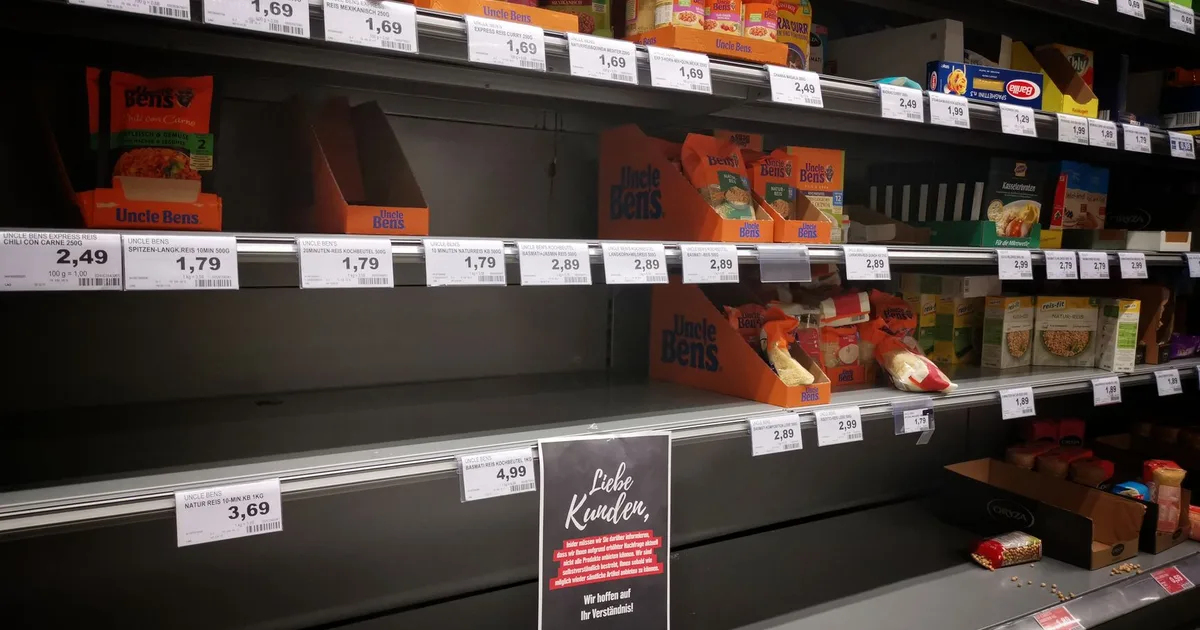
How to Calculate Sell-Through Rate (and Use It for FMCG Shelves)
How to calculate sell-through rate: units sold ÷ units received × 100. Worked example, how FMCG teams use it for launches and promotions, and pitfalls.
Shelf Optimization
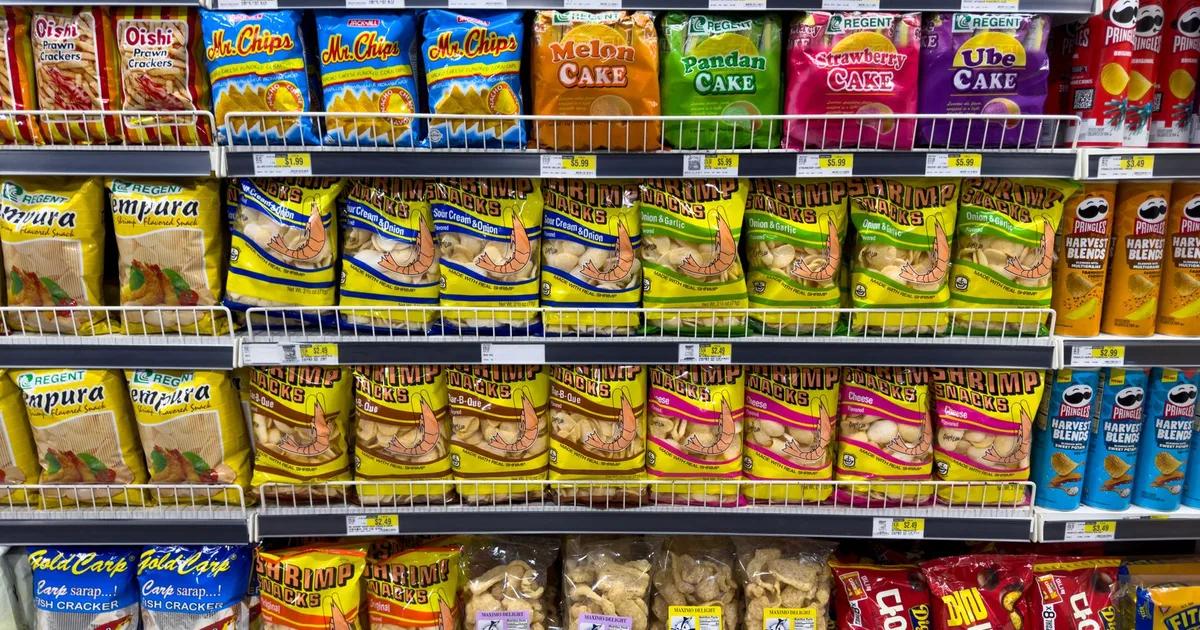
Assortment Optimization Basics: Choosing the Right Range for Each Store
Assortment optimization basics: define the shopper need, measure item performance and incrementality, localise by store cluster and fit the range to space.

Planograms
What to Look for in Planogram Software Before You Commit
What to look for in planogram software depends on your fixture complexity and team size more than feature count. Here's a practical evaluation checklist.