Blog
The ShelfPlot blog — page 15
Shelf Optimization
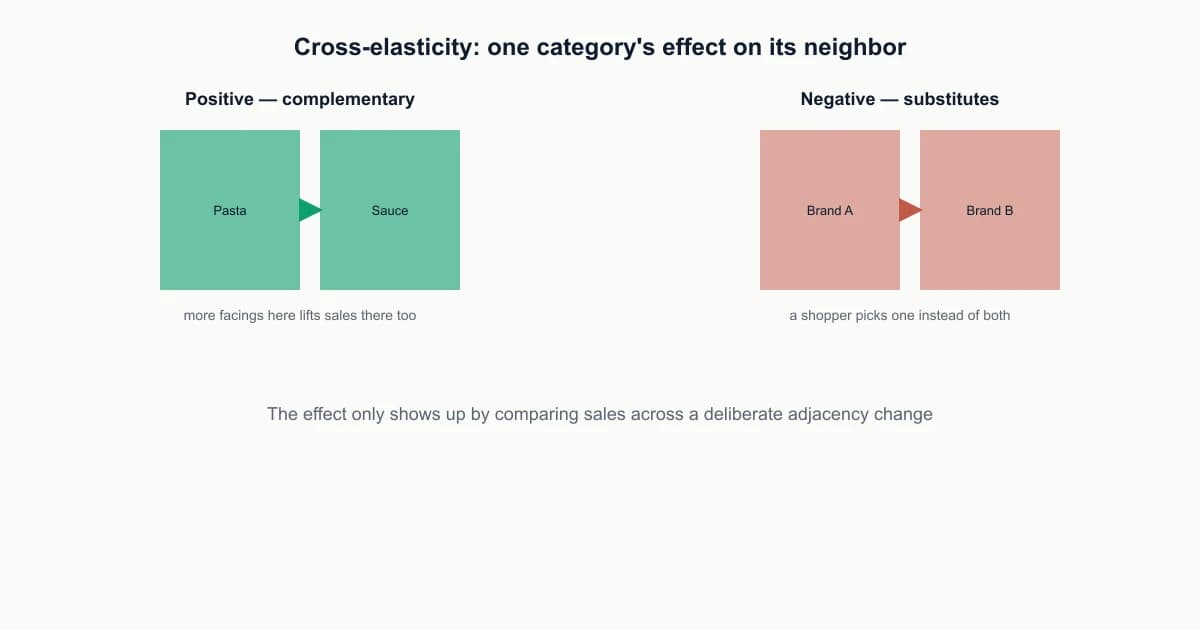
Cross-Elasticity Between Adjacent Categories on a Shared Fixture
Cross-elasticity between adjacent categories measures how one category's facings affect sales in its neighbor. Here's why it matters for adjacency decisions.
Shelf Optimization
Weather-Driven Demand and Facings Adjustments
Weather-driven demand can shift sales sharply for specific categories. Here's which categories are most sensitive and how to plan facings around it.
Shelf Optimization
Why Club Store Assortment Is Deliberately Narrow
Club store assortment is deliberately narrow by design, not by accident. Here's the strategic logic behind carrying fewer SKUs at greater depth.
FMCG Merchandising
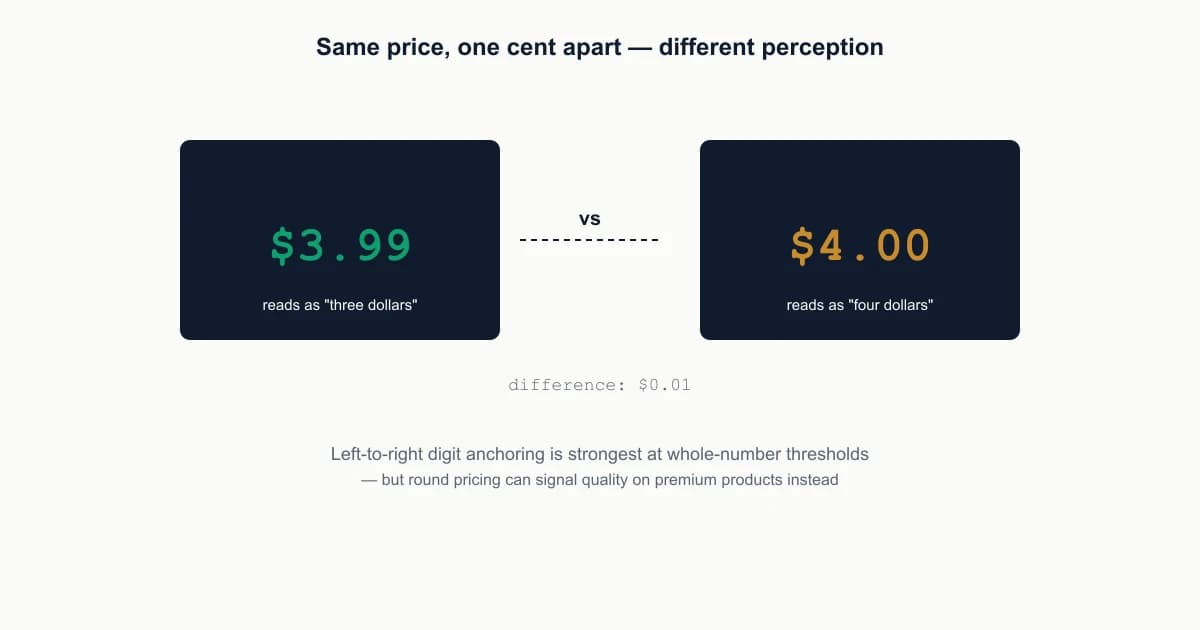
Shelf Price Endings and Perceived Value: Does .99 Still Work?
Shelf price endings and perceived value are linked by well-documented shopper psychology, but the effect isn't uniform across every category. Here's the nuance.
Planograms
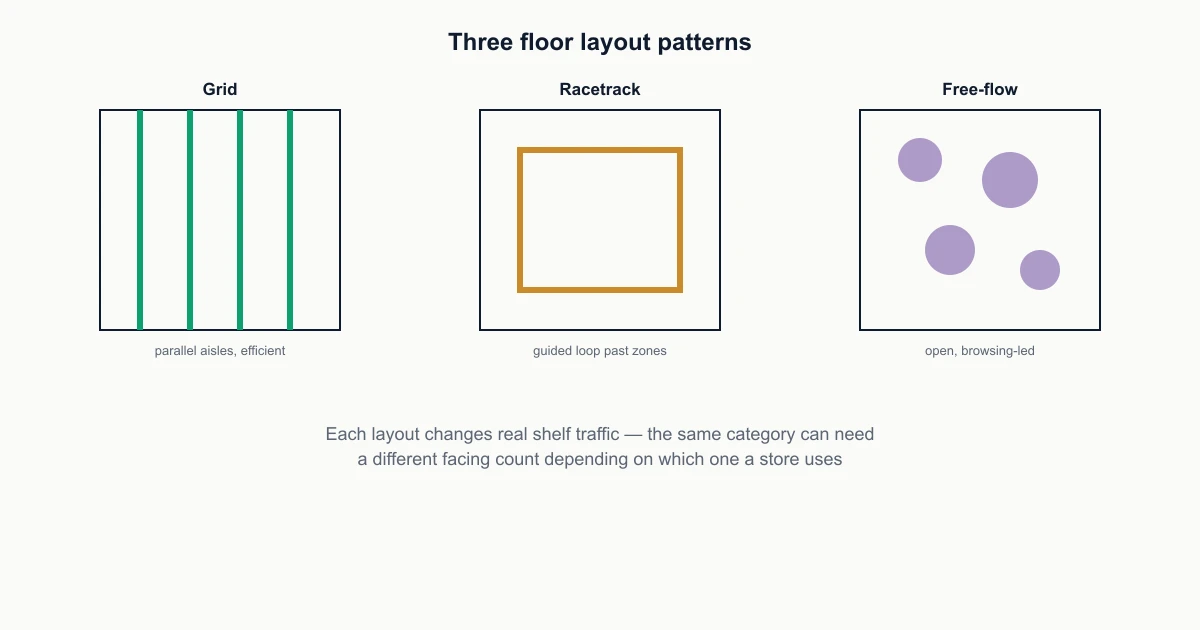
Store Layout Types and Planograms: How Floor Flow Shapes the Shelf Plan
Store layout types and planograms interact more than most category plans account for. Here's how grid, racetrack and free-flow floors change planning.

Shelf Optimization
Day Shift vs Night Crew Stocking Handoff Problems
Day shift vs night crew stocking handoff problems happen when neither team has clear visibility into what the other did or left unfinished. Here's the fix.
Planograms
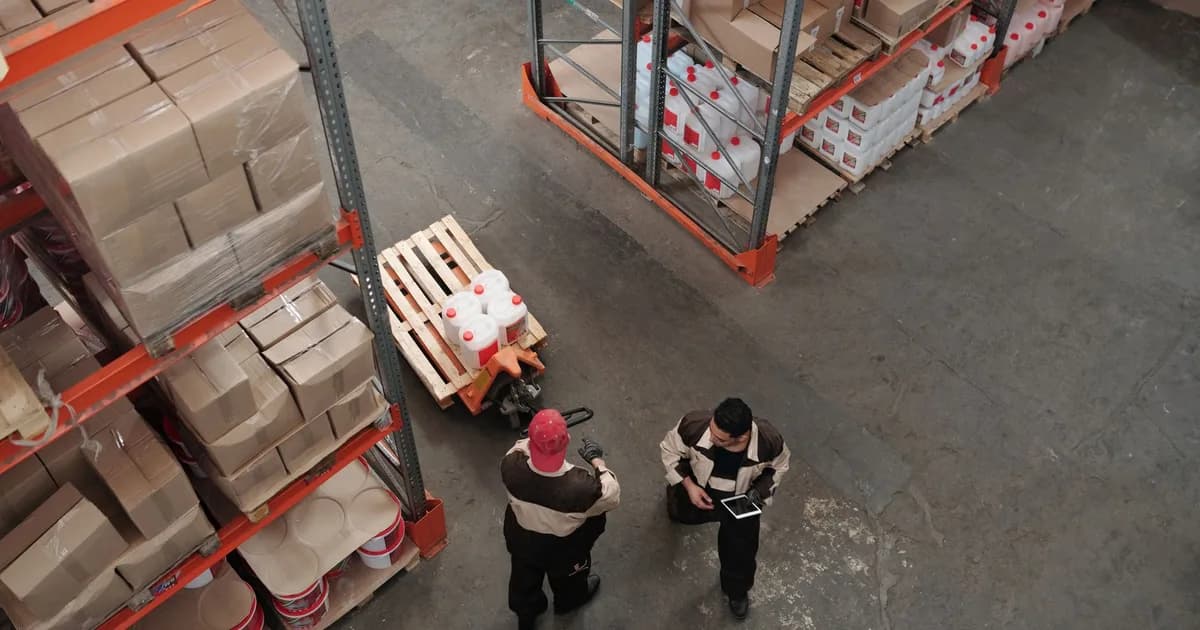
Shelf Merchandising for Cash-and-Carry Wholesale Stores
Shelf merchandising for cash-and-carry wholesale stores serves a business buyer, not a household shopper. Here's how that changes layout priorities.
Shelf Optimization
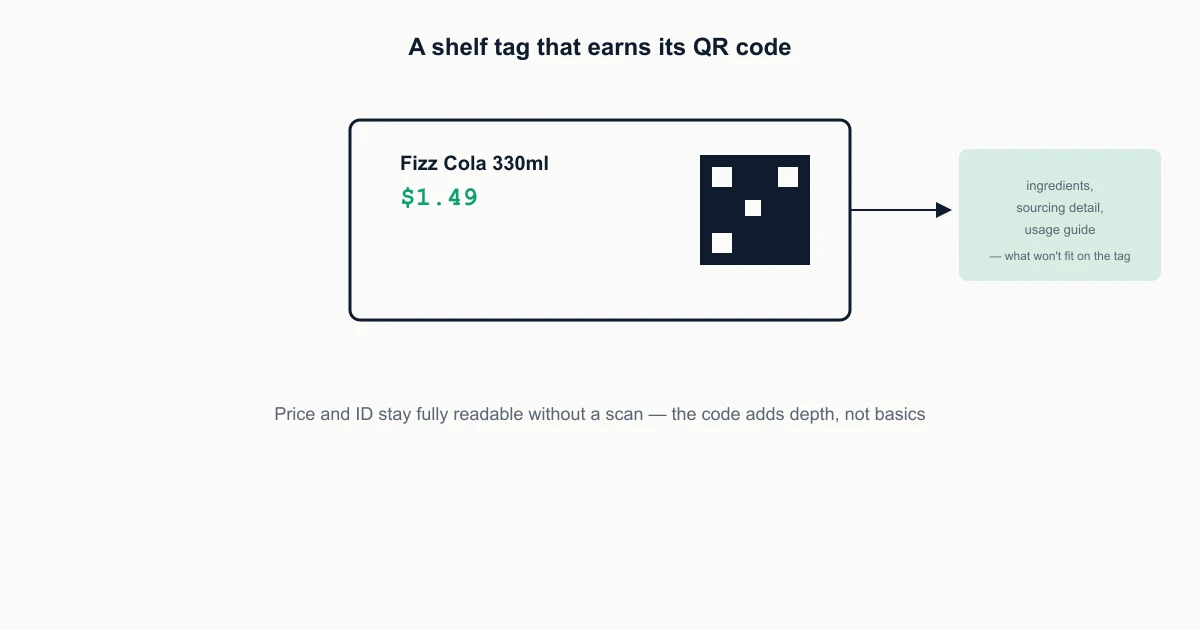
QR Codes on Shelf Tags: What They Actually Add for a Shopper
QR codes on shelf tags only earn their space if they give a shopper something a glance at the tag can't. Here's when they're worth adding.
Shelf Optimization
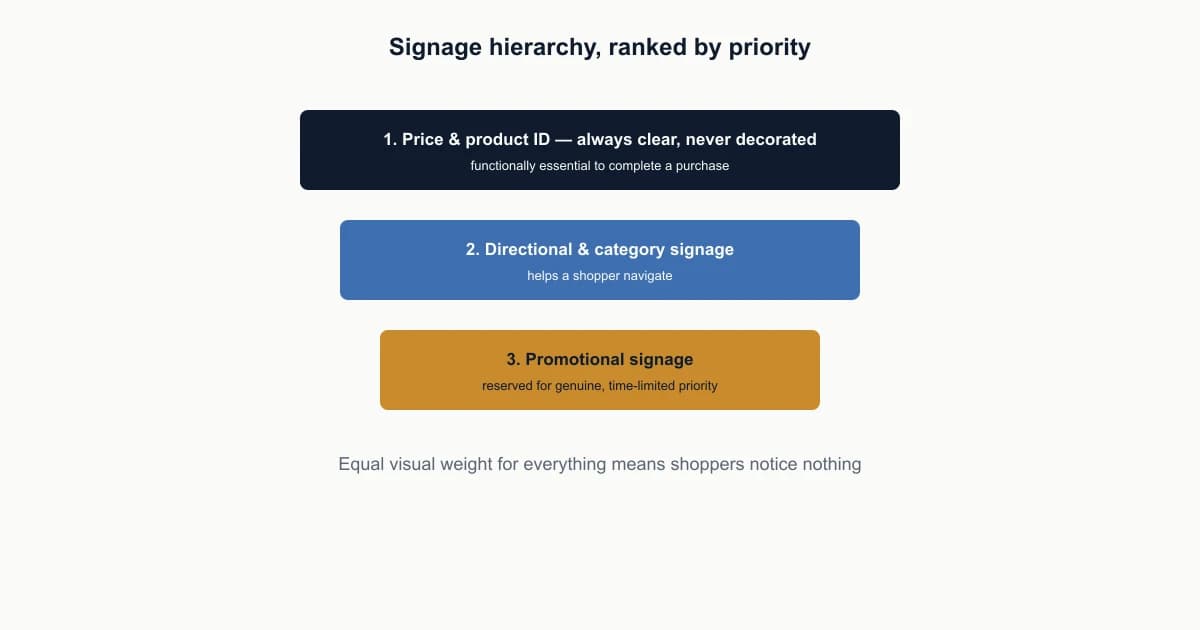
Shelf Signage Hierarchy: Primary, Secondary and What Shoppers Ignore
A clear shelf signage hierarchy stops a fixture from turning into visual noise. Here's how to rank primary, secondary and tertiary signage.

Shelf Optimization
Wine and Spirits Shelf Planogram Considerations
A wine and spirits shelf planogram has to handle regulatory placement rules, fragile packaging, and a shopper base ranging from novice to expert.
Shelf Optimization
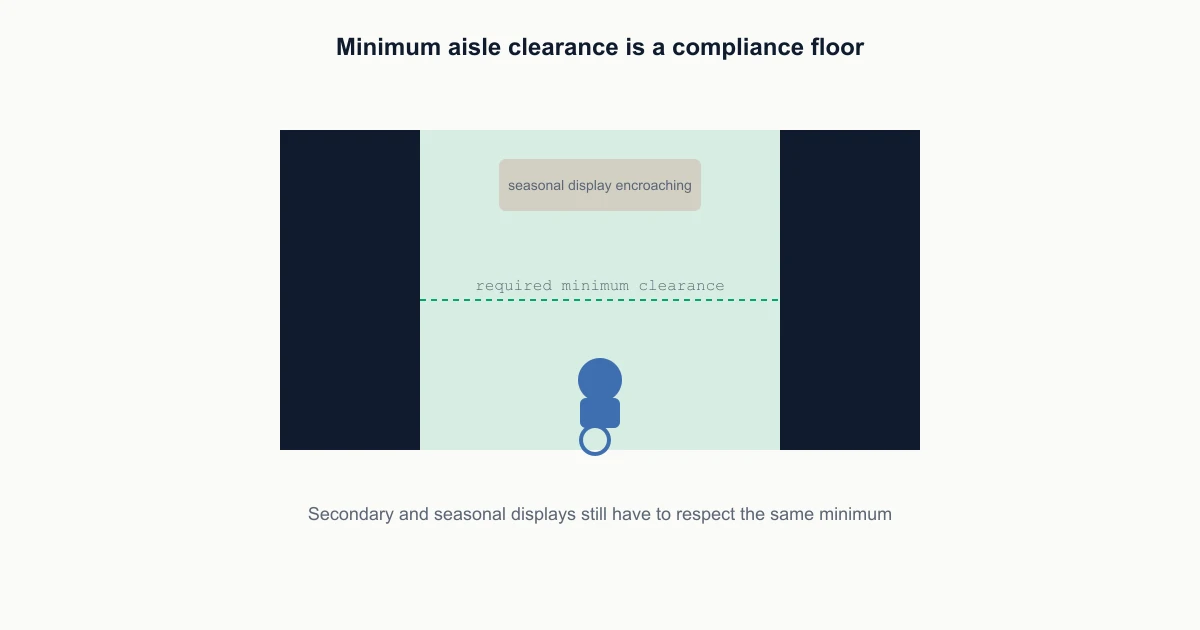
Aisle Width and Accessibility Code Requirements for Store Layouts
Aisle width and accessibility code requirements set a hard floor on store layout before any merchandising decision. Here's what planners need to check.
Shelf Optimization
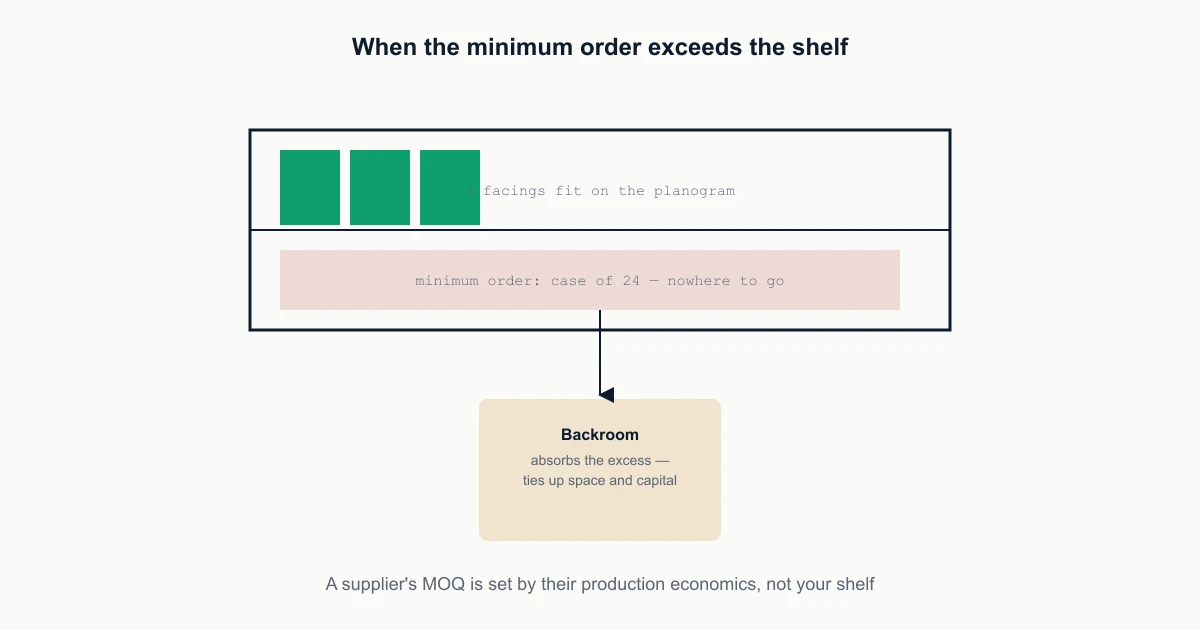
MOQ vs Shelf Capacity: When a Minimum Order Doesn't Fit the Fixture
MOQ vs shelf capacity becomes a real problem when a supplier's minimum order quantity exceeds what the planogram can physically hold. Here's how to handle it.